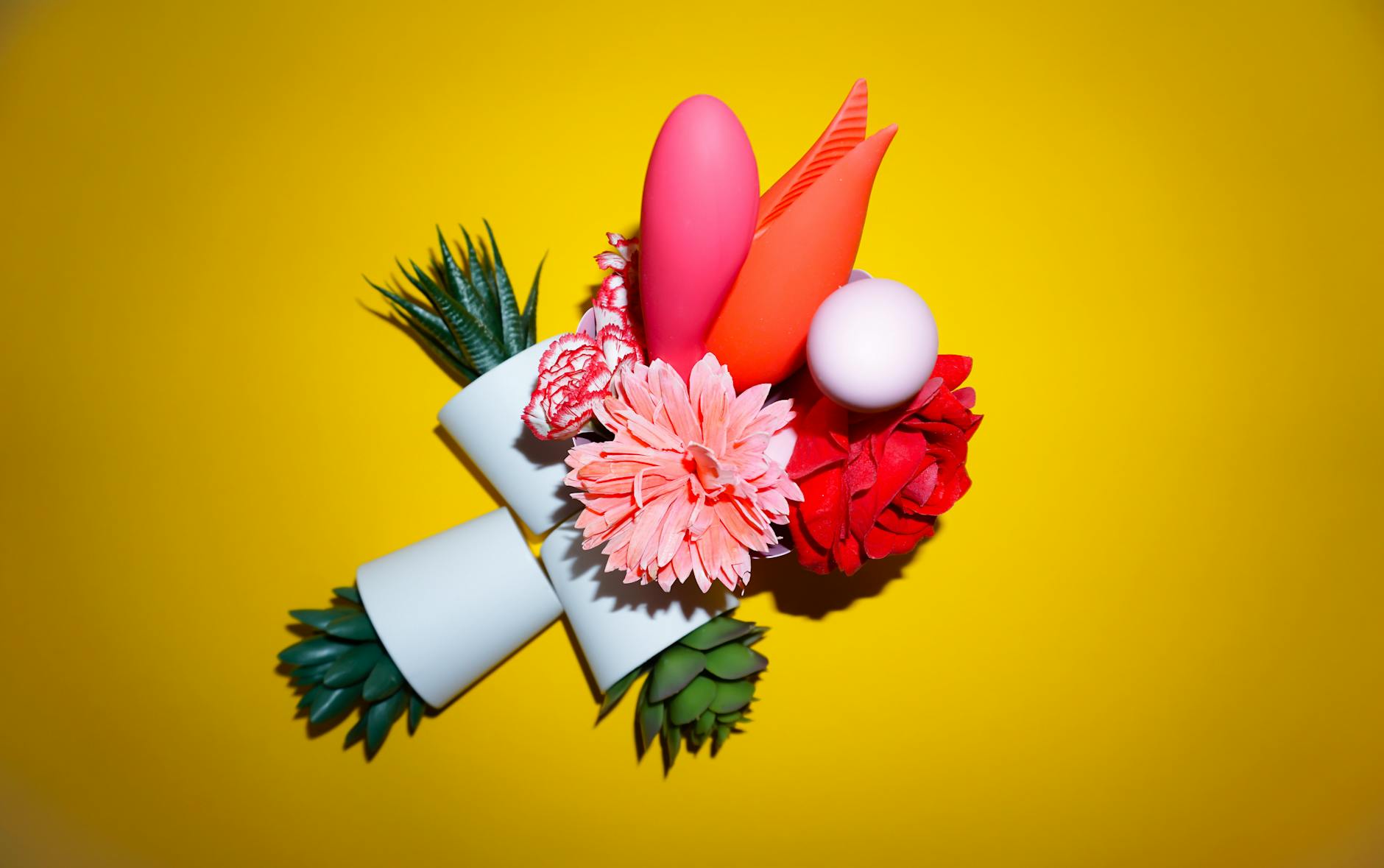
Let's talk about wand fatigue
You've probably been using the same wand vibrator for years. It works. You know exactly which setting gets you there. Why would you change?
Here's the thing. Wand vibrators create broad, surface-level vibration across a wide area. They're reliable, but over time, your body adapts. What used to take three minutes now takes ten. The sensation feels the same every time, which means your nervous system isn't surprised anymore. And without surprise, without novelty, intensity flattens.
What air-suction lemon vibrators actually do differently
Lemon clitoral vibrators like the Lem work via a completely different mechanism. Instead of vibrating side to side, they create a pulsing suction around the clitoris. It's rhythmic, concentrated, and neurologically distinct from the friction-based stimulation a wand provides.
Wand vibrators use rapid mechanical oscillation. Lemon vibrators use air-pulse technology that mimics the sensation of gentle sucking. If you've only ever used wands, this will feel genuinely novel to your nervous system.
That novelty matters because the body's pleasure response depends partly on variety. The clitoris has about 8,000 nerve endings, but they habituate to repeated input. When you introduce a completely different stimulus pattern, you're essentially waking those nerves up again.
Why the transition can feel awkward at first
If you've spent five years with a wand at pattern 8, a lemon vibrator at level 1 might feel almost too subtle. Your brain is expecting that familiar buzz. The suction sensation is gentler initially, more concentrated, less spread out.
This is not a flaw. It's actually the point. The intensity is there, but it's focused directly on the tissue rather than dispersed across a larger surface. Most people need about three to five solo sessions to recalibrate their expectation.
Common adjustment reactions:
- "It feels weak" (usually means you need longer foreplay, not higher intensity)
- "It's too wet" (water-based lube helps, but sensation takes adjustment)
- "Where's that buzzing feeling?" (exactly — you're experiencing a totally different neural pathway)
- "I'm suddenly lasting way longer before orgasm" (yes, because a new stimulus pattern requires your brain to process differently)
How to ease into using a lemon vibrator after wands
Start with extended warm-up time. If you've been using wands, your arousal timeline is probably built around wand speed. Give yourself 15-20 minutes of foreplay, even solo, before you introduce the lemon clitoral vibrator. Let your body build natural lubrication. This matters because air-suction vibrators need sufficient moisture to create seal and sensation.
Use lube, even if you don't usually. Water-based lube is your friend here. It improves seal, reduces friction, and helps the air-pulse sensation feel consistent. Apply it around the clitoris before you start, not during. This feels counterintuitive if you're used to wands, but it's essential for suction-based toys.
Start at the lowest setting. Seriously. Level 1 on a lemon vibrator is not equivalent to level 1 on a wand. The sensation is concentrated, so even the gentlest setting goes deeper. Work upward slowly. You'll probably find your sweet spot at level 3-5, not level 8.
Give it three tries before deciding. Your brain is wired for wands right now. A single session isn't enough data. Three sessions, spaced a few days apart, allows your nervous system to actually process the new sensation pattern and start building new neural pathways.
The pleasure patterns that actually improve
Here's what most people report once they've adjusted: orgasms feel different. Not better, necessarily, in some absolute sense. Different. More concentrated. Sometimes stronger. Often more controllable.
With wands, you're chasing the wave of vibration. With lemon clitoral vibrators, you're directing the sensation. It's the difference between being pulled along and steering the boat yourself.
Many people also report that their orgasm recovery time improves. Because the stimulation is localized and the sensation is rhythmic rather than constant, some find they can have multiple orgasms more easily. Not everyone, but enough that it's worth noticing for yourself.
Combining lemon vibrators with partnered sex
If you've only used a wand solo, introducing a lemon vibrator during partnered sex is a different conversation. The suction sensation feels less rumbly, less obvious to a partner who's inside you or near you. This can actually be good news if you've felt self-conscious about wand vibrators being audible or intrusive.
The positioning is also easier. A lemon vibrator is smaller, more maneuverable, and doesn't require as much surface area. You can hold it yourself during partnered sex without it feeling like managing a power tool.
When to stick with wands, when to add a lemon vibrator
Honestly? There's no rule. Some people keep both. Some people find that after years of wands, switching to a lemon clitoral vibrator feels like discovering pleasure all over again. Others realize wands were working fine and add variety without replacing.
The real indicator is whether your current setup still surprises you. If wands still feel novel and intense, fine. Keep going. If you've hit a plateau where the sensations have become predictable and it takes longer to orgasm, a lemon vibrator can reset that entirely.
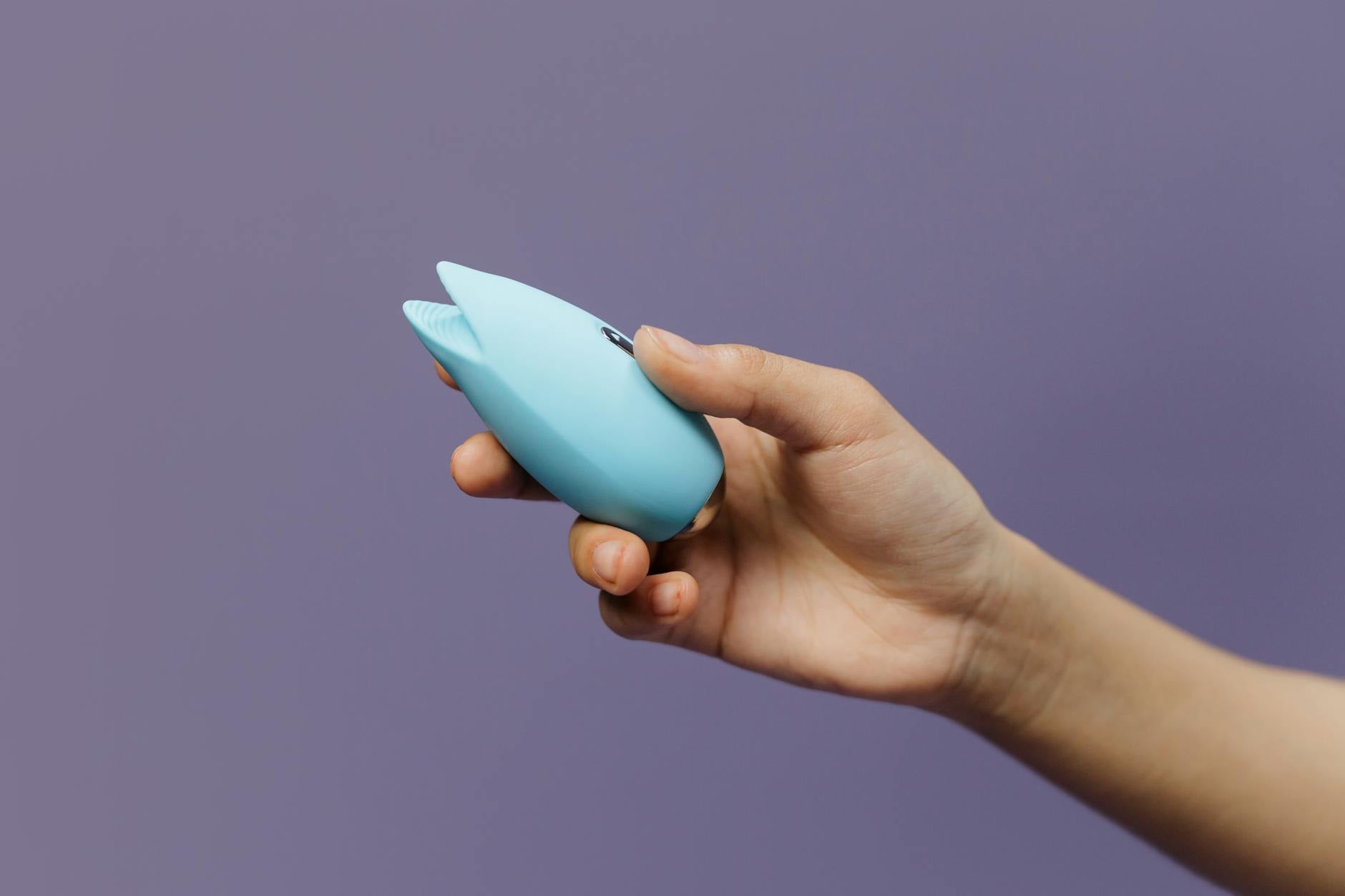
Photo by cottonbro studio on Pexels
The science of why the transition works
Your nervous system seeks novelty. This is called sensory adaptation, and it's not a personal failure. It's neurobiology. The same input, repeated in the same pattern, produces diminishing pleasure signals over time. The body's job is to conserve energy and attention, so once something is familiar, it gets deprioritized.
Introducing a lemon vibrator essentially says to your nervous system: "Hey, new information. Pay attention." Air-pulse technology hits different nerve fibers in a different sequence than oscillating vibration. That difference is what resets the adaptation clock.
This is also why switching between settings on the same vibrator (versus always using the same one) helps. Variety, at the neurological level, is fuel for pleasure.
FAQ: Switching from wands to lemon clitoral vibrators
Can I use my lemon vibrator the same way I used my wand?
Not exactly. Wands work best with broad, sweeping motions. Lemon vibrators work best held relatively still, positioned directly over the clitoris. Let the suction do the work rather than moving the toy around. Pressure is optional; positioning is everything.
Does my orgasm feel "better" with a lemon vibrator, or just different?
Different first. Better is subjective. Some people find the concentrated sensation of a lemon clitoral vibrator produces more intense orgasms than years of wand use. Others prefer the familiar wand sensation but enjoy adding a lemon vibrator for variety. Both are valid. Track your own response over a few weeks.
How long does it take to adjust to a lemon vibrator after wands?
Most people need three to five sessions before the sensation starts feeling intuitive. Your brain is literally rewiring its expectations. By session five or six, most people have found their rhythm and favorite settings.
Why does my lemon vibrator feel less intense than my wand?
Level for level, lemon vibrators are more concentrated and less broad. What feels like "less intensity" is usually "intensity in a smaller area." Try using lube, giving yourself longer foreplay, and trying higher settings. Many wand users find their favorite lemon vibrator setting is 4-6, not 1-2.
Can I switch between lemon vibrators and wands in the same session?
Absolutely. Some people use a wand to build initial arousal, then switch to a lemon vibrator for the finale. Others do the reverse. There's no rule. Listen to what your body wants in the moment.
Will using a lemon vibrator desensitize me to wand vibrators?
No. Introducing variety actually combats desensitization. Using both types keeps your nervous system engaged because it's constantly receiving novel input. If anything, adding a lemon vibrator to your routine keeps pleasure fresher overall.
The real reason to try a lemon vibrator
You didn't get attached to your wand because it was the only option. You got attached because it worked. But "works" and "still surprises you" are two different things. After years of the same tool, your nervous system craves novelty.
A lemon clitoral vibrator isn't better than a wand. It's different. That difference is exactly what makes it valuable. Your pleasure deserves variety, experimentation, and the kind of novelty that reminds your body what intensity actually feels like.
If you're ready to explore, start low, use lube, and give yourself time. Your nervous system will catch up faster than you'd expect.