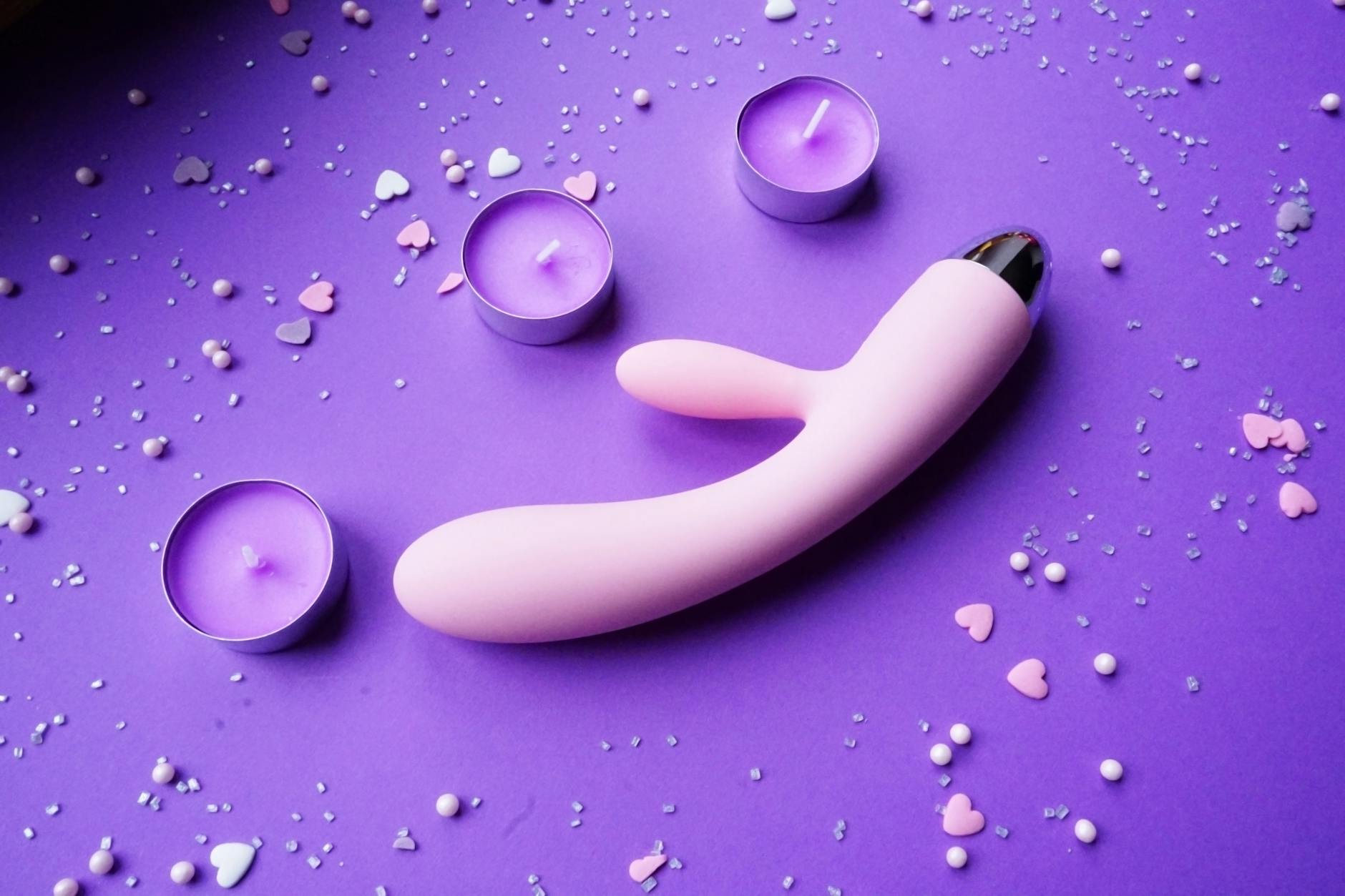
Here's the thing about numbness that nobody wants to name
You've probably spent years trying to feel something that just isn't there. Maybe it started gradually. Maybe it hit suddenly after surgery, medication, or after using the same friction-based toy for over a decade. Either way, the result is the same: clitoral stimulation that used to work doesn't anymore, and you've started to believe that's just how you're wired now. It's not.
Long-term desensitization is real, but it's also reversible. The nerve endings are still there. The capacity for pleasure hasn't gone anywhere. What's happened is that your nervous system has become habituated to a particular type of stimulus, or the tissue itself has changed in ways that make traditional vibration feel like background noise.
The good news: a lemon vibrator works differently than what likely caused the numbness in the first place.
Why numbness happens (and why it's not your fault)
Desensitization falls into three buckets.
Repeated high-intensity friction. If you've spent years using the same wand vibrator at the highest setting, your nervous system has essentially learned to tune that stimulus out. It's the same reason your brain stops noticing the hum of the refrigerator. The nerve endings adapt by raising their threshold for response.
Medication side effects. Certain antidepressants, blood pressure meds, and hormonal birth control can flatten sensation by affecting blood flow or dampening the nervous system's responsiveness. This isn't about the toy. It's about what's happening chemically upstream.
Tissue changes. Hormonal shifts, aging, or scarring from surgery can make tissue thinner, drier, or less elastic. When the tissue itself changes, friction-based vibration loses effectiveness because there's less tissue to move and respond.
Here's what's critical: whichever bucket you fall into, sensation recovery isn't about finding a stronger toy. It's about changing the type of stimulus entirely.
Why lemon clitoral vibrators work differently for numb tissue
Traditional vibrators work through oscillation. The toy moves back and forth, creating friction against tissue. If your nervous system has adapted to that particular movement pattern, adding more power or speed just pushes harder on a signal your brain has already learned to ignore.
A lemon vibrator works through suction. Instead of friction, it creates gentle waves of pressure and release that stimulate nerves in a completely different pattern. Think of it like this: if your nervous system has become deaf to the sound of a regular vibrator, suction is a different frequency entirely. Your brain can't tune it out because it's neurologically novel.
This novelty matters. When you introduce a new type of stimulus, the nervous system wakes up because it has to pay attention. It's not familiar, so it can't habituate to it instantly. That's where sensation recovery begins.
Second, suction-based lemon vibrators work across a broader surface area. Rather than a single point of friction, the suction engages the entire clitoral complex, including areas that might have been neglected by more localized vibration. This means you're stimulating nerve pathways that haven't been activated in years.
How to restart sensation: a five-step protocol
Step one: Take a break from everything. Before you introduce a lemon vibrator, step back from whatever you've been using for at least two weeks. No vibration, no friction-based toys. This gives your nervous system a chance to reset and become sensitive to stimulation again. It feels counterintuitive, but this break is essential. You're essentially un-training the adaptation.
Step two: Start with external exploration, no toy. Use your fingers or your partner's hands to touch and explore your vulva, clitoris, and labia without any tool. Pay attention to what feels like anything at all. This teaches your nervous system that sensation is possible again. Don't push for arousal or orgasm. The goal is awareness, not outcome.
Step three: Introduce the lemon vibrator on its gentlest setting. When you're ready, use the lowest intensity setting. Lemon vibrators typically have a range from subtle pulse to intense, so start at pattern one or two. Place it over your clitoris and notice what you feel. Resistance, pressure, warmth, tingling, nothing. Whatever shows up is information. Spend 5-10 minutes, three times a week.
Step four: Add warmth and time. Warm tissue is more responsive tissue. Before using your lemon vibrator, spend time warming your clitoris and vulva through manual touch, warm water (a bath or shower), or simply being in a warm room. Blood flow matters for sensation recovery. Then extend your session from 10 minutes to 20 without increasing intensity. More time at low intensity beats brief bursts at high intensity.
Step five: Gradually introduce variety in pressure pattern, not power. Once you're feeling some response, experiment with different suction patterns if your lemon vibrator offers them. Maybe pattern three feels more interesting than pattern one. Try alternating between two patterns. The goal is to keep introducing novelty without jumping back into high intensity.
The timeline is longer than you'd like, and that's okay
Sensation recovery typically takes between four and twelve weeks. Some people notice change in two weeks. Others need four months. The exact timeline depends on how long the numbness has been there, what caused it, and what your baseline nervous system sensitivity is.
During this time, you'll likely feel like nothing is happening for a while, and then one day you'll notice a tingle, or warmth, or a slight pressure you didn't register before. That's not a breakthrough. That's just you becoming more aware of what's actually there. Keep going. The sensations will deepen.
If you're working with a partner, this is a good time to read about how lemon vibrators work differently during arousal phases, which can help you both understand why sensation might feel inconsistent as it's returning.
What to avoid while rebuilding sensitivity
Don't go back to your old toy, even once. I know the temptation is real, especially if you had some success with it in the past. But going back to what caused the numbness resets your progress. Stick with the lemon vibrator until sensation is fully stable.
Don't increase intensity to chase a feeling. If pattern one feels like nothing, don't jump to pattern five because "maybe that'll work." You'll just habituate again, faster. Low intensity for longer is always the answer.
Don't skip the break period before you start. I hear this all the time. Someone wants to jump straight to the lemon vibrator without giving their nervous system a chance to reset. The break isn't wasted time. It's when the actual healing happens.
Don't assume orgasm is the goal. During sensation recovery, the goal is feeling anything at all. Some people get there, some people get back a sense of pressure or warmth without orgasm, and both are wins. Tying sensation recovery to orgasm performance turns it into another source of pressure.
When medical stuff is actually the root cause
If your numbness came after starting a medication, a conversation with your prescriber is worth having. Sometimes there are alternatives with fewer sexual side effects. Sometimes the numbness resolves once your body adjusts to the medication. Sometimes a small dose adjustment makes a difference.
If you suspect tissue changes from hormonal shifts, a gynecologist who specializes in sexual health can run a few tests and discuss whether topical hormone cream or other treatments might help restore tissue responsivity. That's a separate intervention from the lemon vibrator work, but both together can accelerate recovery.
The point: if there's an obvious medical reason for the numbness, address it alongside the pleasure work. They're not competing approaches. They reinforce each other.
FAQ: Sensation recovery and lemon vibrators
Can numbness from medications reverse once I switch drugs?
Often yes, though the timeline varies. Some people regain sensation within weeks of switching or adjusting their medication. Others take months. The suction-based stimulation from a lemon vibrator can help speed that process by introducing a novel stimulus while your body adjusts. Talk to your prescriber before you change anything.
If I use a lemon vibrator with low intensity for weeks, will I habituate to it too?
Not in the same way. Habituation is accelerated by high intensity and repetition of the exact same pattern. By varying the suction pattern, using intermittent sessions rather than daily use, and keeping intensity low, you avoid the habituation trap. Think of it as fundamentally different from the friction-based cycle you were in.
How often should I use a lemon vibrator while rebuilding sensation?
Three times a week is the sweet spot. Frequent enough that your nervous system gets consistent signals, infrequent enough that you're not exhausting the nerves. Some people do better with two sessions a week if they have high baseline sensitivity. Some do better with four if they're starting from complete numbness. Pay attention to your own rhythm.
My partner wants to help with sensation recovery. What should they know?
The best thing a partner can do is understand that this isn't about them or the relationship. Numbness isn't a message about attraction or connection. It's a neurological adaptation. Involve them in the non-toy exploration phase, let them know the timeline is weeks to months not days, and be clear that pressure to perform will slow recovery down. If it's helpful, read how to introduce a lemon vibrator to your partner without awkwardness together so you're both on the same page.
Is there any risk of the lemon vibrator making numbness worse?
Not if you follow the protocol. Using low intensity, taking a break beforehand, and not jumping back to high-intensity friction all prevent re-habituating. The risk comes from trying to rush the process or ignoring the signals your body is sending. Listen to what feels right. If something feels sharp or painful rather than just numb, stop and rest.
What if nothing changes after eight weeks?
Some people take longer. Some people plateau and then suddenly jump forward. Some people need a different intervention entirely. If you've been consistent with the protocol and you're not seeing any shift after two months, it's worth consulting a sex therapist or a pelvic health physical therapist. Sometimes numbness is holding a pattern that goes deeper than just nerve adaptation. Professional support can help identify what's actually going on underneath.