Let's talk about what stress actually does to your body
You probably already know that chronic stress kills desire. What you might not know is exactly how. When cortisol stays elevated for weeks or months, your body deprioritizes arousal in favor of survival mode. Your nervous system is in sympathetic overdrive. Blood flow pools in your chest and brain, not your genitals. Dopamine drops. Oxytocin plummets. The whole neurochemical foundation for wanting sex just evaporates.
And here's the thing: knowing the mechanism doesn't make it suck less. You're not broken. Your body is doing exactly what it's supposed to do under threat. But that doesn't help when you're trying to reconnect with pleasure after months of work chaos, family stress, or relationship tension.
Why low desire after stress is different from other arousal issues
When desire vanishes because of hormonal shifts or medical conditions, you're working with a tissue or neurochemical problem. When it disappears because of stress, you're dealing with a nervous system problem. That changes the strategy entirely.
Stress-induced desire loss is about switching your parasympathetic nervous system back on. It's not about forcing arousal or pushing through numbness. It's about creating safety for your body to downshift. That's where a lot of people go wrong. They try to use a toy aggressively when what they actually need is permission to slow down.
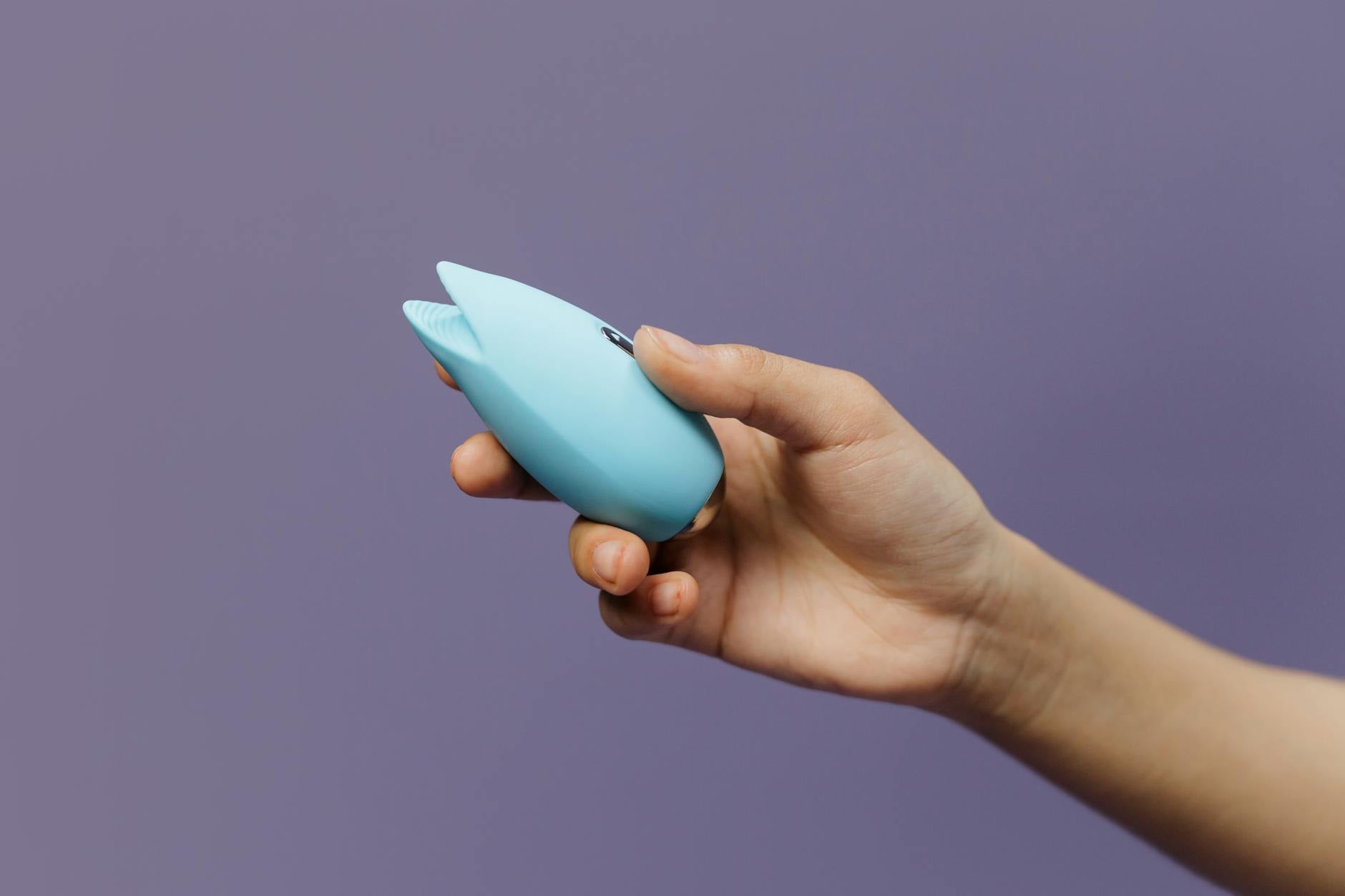
A lemon clitoral vibrator works better than traditional toys for this exact reason. The suction mechanism (which models like the Lem use) creates a different sensation than direct vibration. It's gentler to re-engage with. There's less pressure to perform, literally and mentally.
The stress recovery window: timing matters more than you think
If you're in active crisis mode right now, do not expect desire to return. Seriously. Your body is protecting you. Adding guilt about not wanting sex on top of everything else just winds the cortisol tighter.
Wait for the moment when the acute stress starts to release. That might be when a work deadline passes, when a family conversation finally happens, or when a therapy session actually lands. Your nervous system will send a signal. You might feel it as a small exhale, a night of better sleep, or suddenly noticing something that isn't anxiety for the first time in weeks.
That's the moment to reintroduce touch. Not before. After.
How to actually restart desire when your body feels numb
Here are the four things I tell clients in your exact situation.
Start with non-sexual touch. Before you touch your genitals, spend a week on foreplay alone. Let your partner kiss your neck, massage your shoulders, trace your inner arm. Let yourself notice sensation without any expectation of arousal. This is boring and essential. You're teaching your parasympathetic nervous system that touch means safety again, not performance.
Move your body first. A 20-minute walk, 10 minutes of dancing, 15 minutes of stretching. Anything to move stagnant cortisol through your system. Then wait 30 minutes. The nervous system shift is real. Many of my clients notice they can feel sensation again after moving and resting.
Use the lemon vibrator on low. Not to reach orgasm. Not yet. Just to remember what pleasure feels like. Set a 5-minute timer. Run the Lem on pattern 1 or 2 over your vulva with no pressure to respond. If nothing happens, that's fine. You're literally just retraining your nervous system that this sensation equals safety.
Build from there. Week two, maybe you stay at 5 minutes on pattern 3. Week three, you might let it become sexual rather than just sensory. There's no timeline. You're not racing back to your old baseline. You're meeting your body where it actually is.
The partner conversation you need to have (and the one to skip)
If you have a partner, here's the hard truth: you cannot think your way into desire by talking about desire. The conversation has to be about something different.
Instead of "I want to feel like sex is important again", try "I'm stressed and I need to know you understand my body is protecting me right now." Instead of "Can we start having sex again", try "I need to move my body more and not feel rushed." The goal is for your partner to stop expecting you to perform and start creating conditions where your nervous system can relax.
If they're not capable of that conversation, that's actually useful data. Not in a dramatic way. Just useful.
The role of the lemon clitoral vibrator in recovery
Lemon sexual toys, especially suction-based clitoral vibrators, sidestep a lot of the pressure that can freeze up a stressed nervous system. You're not trying to use your own hand strength. You're not performing effort. You're just receiving sensation. For people whose desire has been flattened by months of stress, that distinction matters wildly.
The Lem vibrator works particularly well because you can start at such a low intensity that it feels almost neutral. It's not aggressive. It doesn't require anything from you. As your nervous system settles, the same settings start to feel more pleasurable. You didn't change the toy. Your capacity for sensation changed.
That's the whole game. You're not fixing anything broken. You're creating conditions for your own nervous system to remember how to relax.
Common mistakes people make coming back from stress
Don't try to jump back to your old baseline immediately. Your body was offline for a reason.
Don't skip the movement part. Cortisol needs to move through your body. You can't think it away.
Don't expect arousal to feel the same as it did before. Sometimes it comes back sharper. Sometimes it comes back quieter. Both are normal.
Don't use a lemon vibrator as a test of whether you're better yet. Use it as a tool for pleasure, not as a metric. The moment you start measuring success by whether you can come, you've switched back into performance mode. And performance mode is exactly what flattened desire in the first place.
When to bring in actual help
If three months have passed since the acute stress lifted and desire still hasn't budged, talk to a therapist who specializes in trauma or stress-related issues. Sometimes stress leaves marks that don't fade on their own.
If the stress is ongoing and you cannot change the situation or your response to it, therapy is not optional. I know that's direct, but it's true. You cannot will your way out of chronic activation. You need support from someone trained in nervous system work.
If your partner is the source of the stress, that's a different conversation entirely. That one might need a couples therapist, and it's worth having sooner rather than later.
Otherwise, be patient. Your body is not slow. It's smart. Let it do what it does best.
FAQ: Desire Recovery and Lemon Vibrators
How long does it typically take for desire to return after chronic stress?
It depends on how long the stress was active and how much support you have. Most of my clients see meaningful shifts in arousal capacity within 6 to 8 weeks of the acute stressor lifting. But some people need 3 to 4 months. The nervous system doesn't have a deadline. Give yourself grace.
Can I use a lemon vibrator if I have zero sensation right now?
Yes, absolutely. In fact, it's often the best tool for that exact problem. Start on the lowest setting and use it as a pure sensation experience, not as a tool to reach orgasm. Your nervous system needs data that touch is safe before it will generate pleasure. The vibrator is just sending that signal.
My partner thinks using a toy means I don't want them anymore. How do I address that?
This usually isn't really about the toy. It's about fear that you're withdrawing from the relationship. Have the conversation about stress and nervous system recovery, not about the toy. "I need tools that let me explore pleasure on my own timeline right now. That makes me more available to you, not less." If they're still resistant after that conversation, a couples therapist can help you both.
What if stress comes back? Do I lose all this progress?
No. Your nervous system will remember what it learned. You might dip again when new stress arrives, but the path back will be faster. You've done the training once. Your body knows the way.
Is there a difference between using a lemon clitoral vibrator alone versus with a partner when coming back from stress?
Massively. Going solo gives your nervous system control. You can slow down whenever you want. You don't have to perform. You're not managing anyone else's emotional experience. That safety is enormous when you're rebuilding desire. Partner touch can come later, once you've remembered how to feel something on your own.
Should I talk to my doctor about desire loss from stress?
If the stress lasted more than a few months, yes, just to rule out thyroid issues or other conditions that can mimic stress-related desire loss. But most of the time, this is pure nervous system stuff, and a vibrator plus time plus movement will handle it.
The bottom line
Stress doesn't break your capacity for pleasure. It just puts it in storage until it's safe to access again. A lemon vibrator, paired with patience and nervous system support, helps you find your way back. There's no rush. Your body knows what to do. Trust it.
If you're ready to explore how to use a clitoral vibrator in your recovery, Hello Nancy has options that work beautifully for low-sensation or stress-recovery situations. Start gentle. Stay curious. Let pleasure come back in its own time.