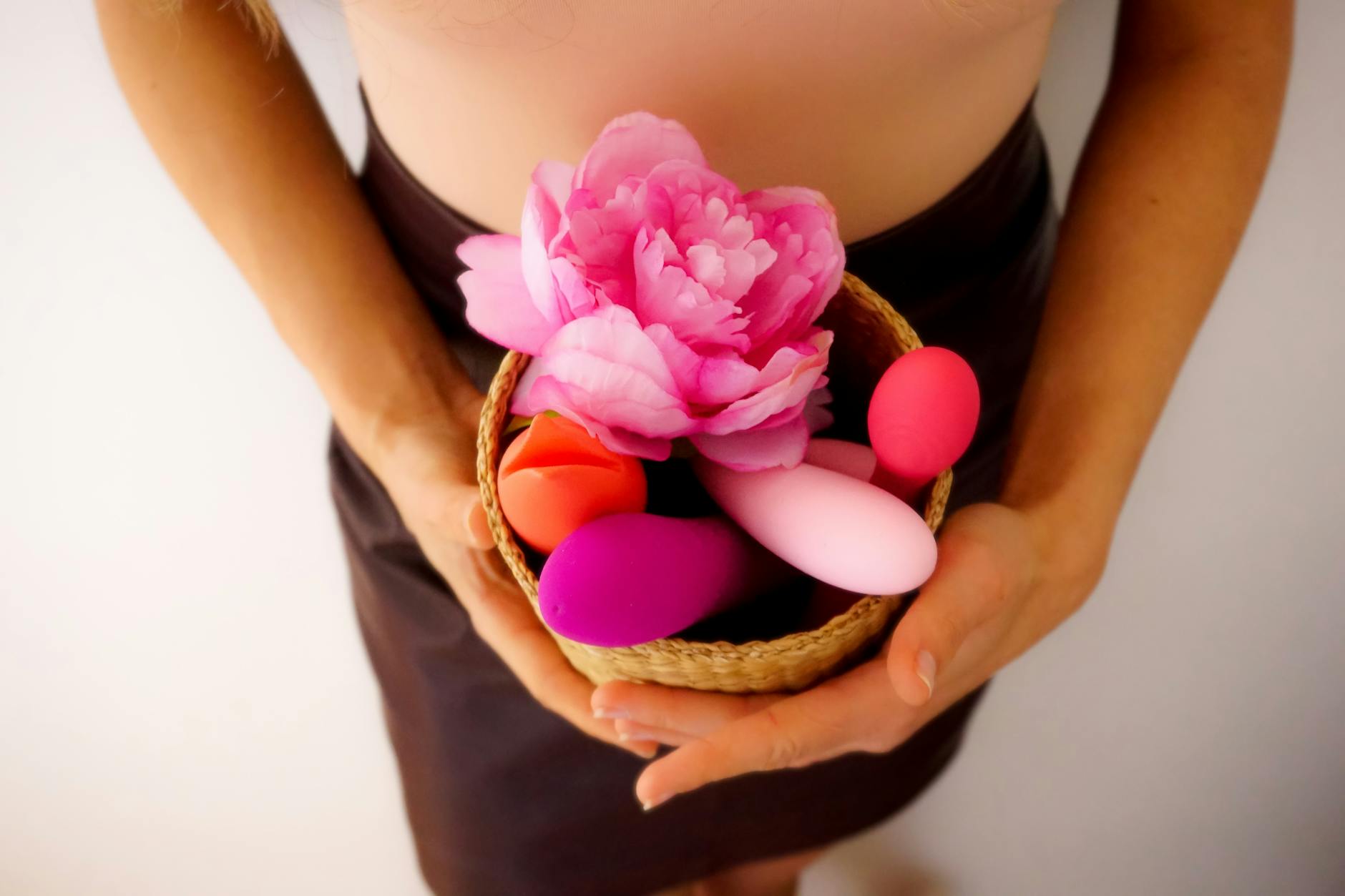
Let's be real about sex after illness
Long-term illness changes your relationship with your body. Even when you're medically cleared to resume sexual activity, the emotional and physical reconnection doesn't happen automatically. Your nervous system has been in protection mode. Your muscles have lost tone. Your confidence might feel dusty. And that's completely normal.
Here's what I see in my practice: people often try to jump straight back to what they did before, then feel devastated when it doesn't work. The solution isn't willpower. It's gentleness, tools designed for rebuilding, and a lemon clitoral vibrator that removes the pressure of performance while helping your body remember what pleasure feels like.
Why your body feels different after illness
Three things happen physiologically when you're sick for weeks or months. First, your pelvic floor tenses as a protective response. Illness triggers your sympathetic nervous system (the "threat" response), which locks down the pelvic muscles. Even after you're cleared medically, those muscles stay guarded.
Second, reduced blood flow means reduced genital sensitivity. Your clitoris needs healthy circulation to respond fully. Illness, bed rest, and deconditioning all compromise that. Third, many medications cause libido or sensation changes. Even after you stop taking them, your brain's chemistry takes time to recalibrate.
The good news: your capacity for pleasure hasn't disappeared. It's just quieter right now.
Why a lemon sucker works better than other toys during recovery
If you're restarting intimacy after illness, traditional vibrators often feel too intense. The direct pressure can overstimulate sensitized tissue. It can also trigger tension in the pelvic floor rather than relaxation.
A lemon vibrator uses gentle suction instead of vibration alone. This matters because suction works with your body's natural arousal response rather than forcing it. When you're aroused, tissue naturally engorges and becomes more sensitive. Suction encourages that process slowly. You're not bulldozing sensation. You're coaxing it.
The Lem, Viral Lemon's flagship lemon clitoral vibrator, is specifically designed with this gentleness in mind. Its lower intensity settings (patterns 1 and 2) are perfect for bodies relearning pleasure. The silicone feels soft against healing or desensitized tissue. And crucially, it gives you control. You move at your pace.
The five-stage approach to using a lemon vibrator after illness
Stage one: Solo exploration without expectation.
Start alone. No partner pressure, no performance goal, no timeline. Spend 2-3 sessions just holding the lemon vibrator, looking at it, understanding how it fits in your hand. You're not trying to orgasm. You're reintroducing yourself to pleasure as a possibility, not a demand.
Stage two: Gentle external warmup.
Use warm water (a bath or shower) for 5-10 minutes before touching yourself. Warm muscles relax. Warm tissue becomes more responsive. Once you're warm, apply water-based lubricant generously. Illness often changes lubrication, so don't skip this. The lube isn't a failure. It's a tool. Use your fingers first. Touch around your thighs, labia, everywhere except directly on your clitoris. Spend 10 minutes here. You're asking your nervous system to switch from "protect" to "receive."
Stage three: Introducing the lemon clitoral vibrator at the lowest setting.
Start on pattern 1 (the gentlest setting). Hold the lemon vibrator just off your clitoris at first. Let the sensation build gradually. You can hover the suction over your labia, moving slowly. There's no rush. If anything feels uncomfortable, stop immediately. That's data, not failure.
Stage four: Partnered use (if applicable).
If you have a partner, wait until you've had at least 3-4 solo sessions with the lemon vibrator. By then, you'll know what feels good and what doesn't. When you introduce your partner, they can hold the toy while you guide the pressure and movement. This keeps you in control while building shared intimacy. Start with the same low-intensity patterns you've been using alone.
Stage five: Expanding sensation gradually.
After a week or two of stage four, try moving to pattern 2 if it feels right. Don't rush to higher settings. Higher doesn't mean better during recovery. Consistency and safety matter more than intensity.
What to avoid
Don't use the lemon sexual toy when you're tired or emotionally depleted. Your body won't respond well, and you'll interpret that as failure. Tired + unresponsive = discouragement. Wait until you're genuinely interested.
Don't skip lubricant to "get back to normal." Illness changes your body's natural lubrication. Water-based lube is your friend. It's not cheating. It's adapting.
Don't compare your recovery timeline to your pre-illness sexuality. That's like comparing your fitness level three weeks into physical therapy to your fitness level before your surgery. It's not a fair measure. Recovery isn't linear. Some weeks will feel promising. Others will feel like a step back. That's completely typical.
Don't use a lemon adult toy when you're experiencing pain. There's a difference between "this feels new and unfamiliar" (okay) and "this hurts" (not okay). Pain means stop. Talk to your doctor before continuing.
The mental piece (which is actually bigger than the physical piece)
Honestly, the hardest part of restarting sex after illness isn't the body. It's the mind. Illness often creates a narrative: "My body betrayed me. I can't trust it. Maybe I won't be able to feel pleasure again." These stories are understandable and almost universal. They're also not facts.
One practice I recommend: before using your lemon clitoral vibrator, spend 30 seconds acknowledging what your body survived. "This body got through something hard. It's still healing. I'm being patient with it." You don't need to believe it fully. Just say it. The nervous system listens.
If you have a partner, tell them explicitly: "I'm rebuilding this. Some sessions will feel great. Some won't. That's normal. I need you to be genuinely curious, not worried." Partners often interpret sexual slowness as rejection when it's actually recovery. Clear communication prevents that misunderstanding.
When to involve a professional
If after 4-6 weeks of gentle exploration with your lemon vibrator, you're still experiencing pain or complete numbness, check in with your doctor. Post-illness sexual dysfunction is real and treatable. A pelvic floor physical therapist can help release the protective tension. A sex therapist can help rebuild the mental confidence.
There's no shame in getting support. Recovery from illness affects multiple systems. Your sexuality is one of them.
What comes after
Most people find that after 6-8 weeks of patient, consistent exploration with a tool like the Lem, their pleasure response comes back stronger than they expected. Your sensitivity often increases. Your orgasms can feel different. Not worse. Different. Many people report that recovery sex, once it clicks, feels more intentional and satisfying than pre-illness sex ever did.
You're not going backward by using a lemon sucker or moving slowly. You're being strategic. You're honoring what your body survived while inviting it back into pleasure. That's not weakness. That's wisdom.
People also ask
How long after illness should I wait before trying a lemon vibrator?
If your doctor has cleared you for sexual activity, you can start exploring anytime. That said, "cleared for" doesn't mean "ready for." Wait until you feel at least neutral about your body, not actively afraid of it. For most people recovering from significant illness, that's 2-4 weeks post-clearance. Start with gentle solo exploration. There's no right timeline.
Can I use a lemon clitoral vibrator if I still experience pain during sex?
No. Pain is a signal to pause, not push through. A lemon vibrator shouldn't hurt. If it does, something else is going on. That could be incomplete physical healing, pelvic floor tension, or psychological protection. Talk to your doctor or a pelvic floor therapist before continuing. Pleasure should never come with pain.
What if I feel nothing when using the lemon vibrator after illness?
Numbness after illness is common. Your nervous system might still be in protection mode, or medications you took could have affected sensation. Numbness isn't permanent. Keep using the lemon sexual toy at low intensities 2-3 times per week for 2-3 weeks before assuming it's not working. If nothing changes after that timeline, check in with a healthcare provider.
Should my partner use the lemon vibrator on me or should I use it on myself?
Start alone. Once you know what feels good, your partner can join. Partnered use can deepen connection, but it also introduces performance pressure. Do the work solo first. Then partner use becomes collaborative, not demanding.
Can I use the Lem vibrator with a partner right away after illness?
Yes, but move slowly. Let your partner hold the toy while you control the movement and pressure. This keeps you in charge of sensation intensity while building shared intimacy. Start at pattern 1. Let it feel good before exploring higher settings together.
What if I orgasm during recovery and then don't for a few sessions?
That's completely normal. Your arousal response is still stabilizing. One orgasm doesn't mean you're "fixed." Inconsistency is part of recovery. Some sessions will feel incredible. Others will feel quiet. Keep going without expectation. The consistency matters more than the outcome.
The bottom line
Restarting intimacy after long-term illness requires patience with your body, compassion for your mind, and tools designed for gentleness. A lemon vibrator like the Lem isn't a shortcut. It's a bridge. It lets you rebuild sensation and confidence at your own pace, without the pressure of performing for a partner.
You're not broken. You're recovering. And recovery, when you stop rushing it, often feels like the best beginning you've had.
If you're navigating this transition and need guidance around relationship intimacy during recovery, reach out. This is real work, and you don't have to do it alone.