The thing nobody warns you about
You start a medication for depression, anxiety, blood pressure, or pain. Your health improves. Then pleasure disappears. It's not in your head. It's not a relationship problem. It's the medication, and it's wildly common. What's less common is anyone explaining it clearly.
Here's the honest part: some medications do genuinely affect sexual sensation and arousal. But "affecting" doesn't mean ending it. It means shifting it, often in ways a clitoral vibrator like the Lem can work around.
Which medications actually dull sensation
Not all medications do this, but several classes do it reliably. SSRIs (selective serotonin reuptake inhibitors) lead the list. If you're on sertraline, paroxetine, fluoxetine, or citalopram for depression or anxiety, sensation changes are real and documented. SNRIs (serotonin-norepinephrine reuptake inhibitors) like venlafaxine do the same thing. So do some blood pressure medications, antihistamines, and opioids.
The weird part: different people report it differently. One person on the exact same dose of the same SSRI will feel completely fine. Another will feel almost nothing. Why? Genetics, dosage, how long you've been on it, other medications you're taking, and honestly, things researchers still don't fully understand.
What's consistent is this. The medication isn't turning off your capacity for pleasure. It's changing how quickly your body responds and how intense the sensations feel. That distinction matters because it changes what actually helps.
What's happening in your body
SSRIs work by increasing serotonin availability in your brain. That's great for mood. But serotonin also regulates sexual response. More serotonin can mean less dopamine activation during arousal, which slows the whole cascade. Your body isn't broken. The chemistry is just moving more slowly.
Some people also experience delayed orgasm or numbness in the genitals themselves. That's a direct effect. Others notice they feel less desire or less urgency. That's more about the dopamine angle. Both are medication side effects, not signs you're losing your sexuality.
The three-part fix
Part one: talk to your prescriber. Before you adjust anything else, mention this to the doctor who prescribed the medication. "Decreased sexual sensation" is a documented side effect. They can often help. Sometimes they adjust the dose slightly. Sometimes they add a second medication that counters this specific effect. Sometimes they switch you to a different drug in the same class that affects people differently. This conversation happens all the time. It's not dramatic or embarrassing on their end.
Part two: give it time. Some medication side effects ease after three to six months. Your body adapts. The initial blunting can soften. This isn't always true, but it's true often enough that pushing through the first few months is worth it before making changes.
Part three: use a lemon vibrator strategically. This is where the Lem and other clitoral vibrators actually shine for people on medication. Here's why.
Why suction toys work when sensation is muted
Clitoral suction vibrators like the Lem use a different kind of stimulation than traditional vibrators. Instead of direct friction or vibration alone, they create gentle suction combined with pulsing. That means they stimulate a broader area of nerve tissue at once, and they do it in a way that doesn't require the same intensity of sensation to register.
When medication has dulled your perception, you need either more intensity or a different kind of stimulus. A traditional vibrator might require cranking up to levels that feel rough. A lemon clitoral vibrator like the Lem delivers stimulation that feels rich and full without needing to be aggressive.
Inline image: 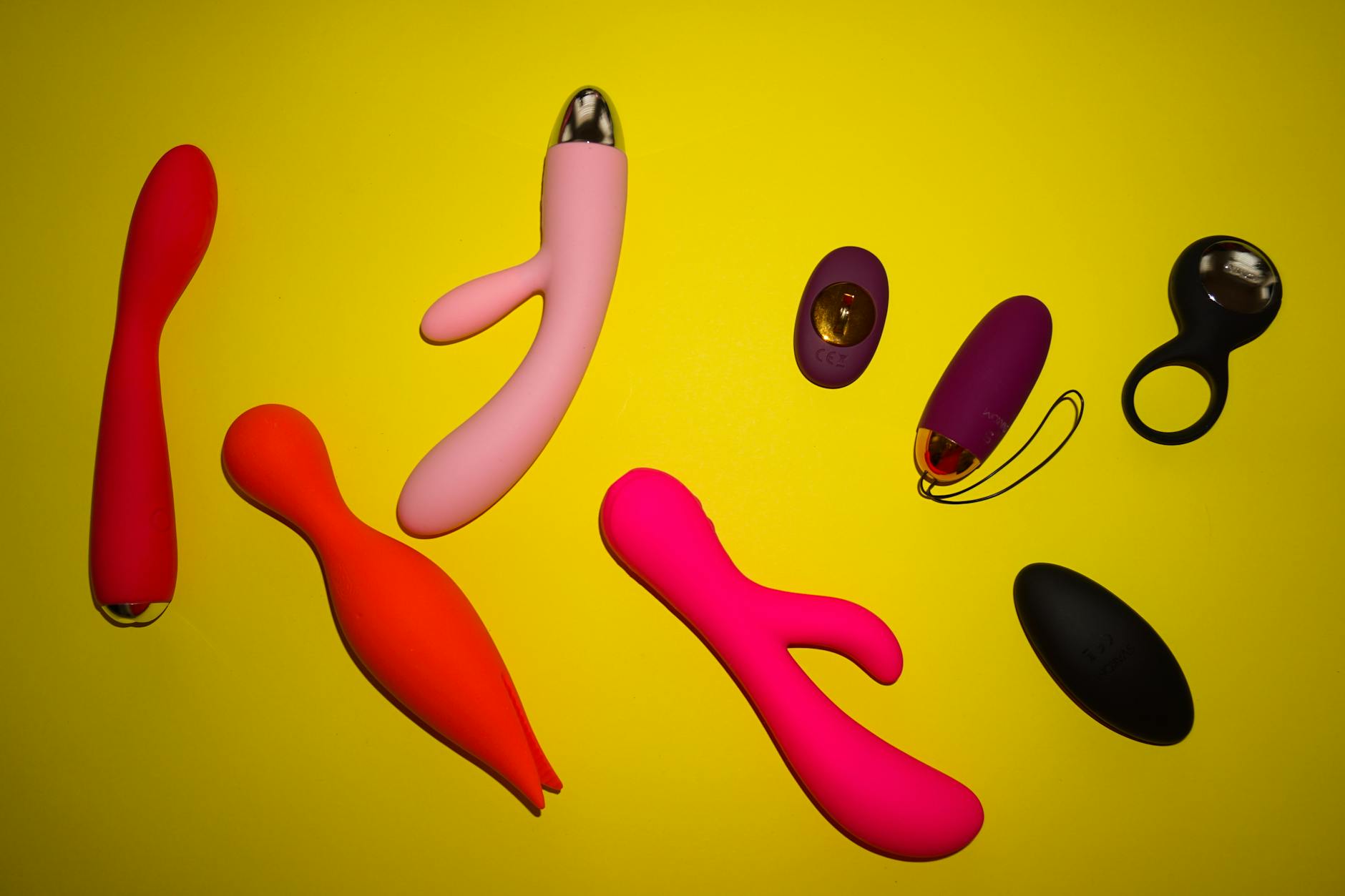
Photo by DRT.fm on Pexels
How to use it when sensation is muted
Start with pattern three or four on the Lem, not pattern one. When your sensation is already dampened, starting too gentle means you're chasing a feeling that isn't showing up yet. You'll get frustrated before pleasure arrives.
Budget time. Medication-affected arousal takes longer. I mean significantly longer. Instead of five to ten minutes, expect fifteen to twenty-five. This isn't a failure. It's just the new timeline. Build it into the experience instead of fighting it.
Use lube generously. Water-based works best with silicone toys. Medication can also affect natural lubrication, so external lube does double duty. It makes the sensation richer and helps the suction function better.
Focus on exploration, not outcome. When you're used to orgasm happening on schedule, medication-affected pleasure can feel broken. It's not. It's just different. Spend time noticing sensations that feel good without pushing toward a specific endpoint. Sometimes that approach gets you there faster than goal-focused pressure does.
Try partnered use with the suction feature. If you have a partner, the Lem works beautifully for shared stimulation. The suction is less invasive than a traditional vibrator, so partners often feel less intimidated by it. That psychological ease sometimes matters more than the physical sensation.
What else shifts along with sensation
Medication often affects desire as much as it affects physical sensation. You might feel less mentally interested in sex, even if your body can still respond. That's not the vibrator's job to fix. That's something to talk through with your prescriber or a therapist.
Some people also report that orgasms feel different when on certain medications. Less intense, more spread out, delayed, or harder to reach. Again, this doesn't mean your capacity is gone. It means the experience has changed shape. A lemon adult toy can help you explore what the new shape feels like instead of grieving what's missing.
If you're in a relationship, your partner might feel rejected if you suddenly have less desire or less responsive pleasure. Have that conversation separately from the sex conversation. "My medication is affecting my sensation and desire" is different from "I'm not attracted to you." Untangling those two things is half the battle.
When to consider switching medications
If sensation loss is severe and doesn't ease after six months, or if the medication side effect is severely affecting your quality of life, switching is reasonable. But do it through your prescriber, not on your own. Some medications need to be tapered. Some need to be replaced slowly so your condition doesn't relapse.
If you're on an SSRI and sensation loss is the main problem, sometimes switching to a different SSRI in the same family helps. If you're on something like sertraline and it's numbing you, paroxetine might hit differently for another person, but your prescriber would guide that choice.
There are also medications that counter SSRI-related sexual side effects specifically. Bupropion added to an SSRI, for example, can help restore sensation for some people. Buspirone does the same thing for others. These aren't common knowledge, but they exist and they work. Ask.
The slow reclamation approach
Honestly, the people I work with who adapt best to medication-affected pleasure don't white-knuckle it. They accept the shift, give their bodies time to adjust, invest in better tools (hello, lemon clitoral vibrators), and approach it with curiosity instead of frustration.
Your sexuality isn't ending. It's changing tempo. The Lem and other toys designed for muted sensation make that change feel less like loss and more like evolution. You deserve pleasure on medication. It looks different than it did before. That doesn't make it less real.
People also ask
Can I use a lemon vibrator while on antidepressants?
Yes. There's no interaction between the medication and the toy. Using a clitoral vibrator while on an SSRI or other medication that affects sensation is actually a smart move because suction-based toys like the Lem work well when sensation is muted. Start at a higher pattern setting than you might normally, use plenty of lube, and give yourself extra time to warm up. Your prescriber doesn't need to know, but your body will thank you.
How long does it take for medication to stop affecting sensation?
It varies wildly. Some people adapt within three months. Others never do. The research suggests that if you're going to see improvement, most of it happens in the first six months. After that, if sensation is still significantly affected, you probably need to talk to your prescriber about dosage changes or switching. Waiting longer than six months in hopes it improves rarely changes the outcome.
Does using a vibrator make medication-dulled sensation worse?
No. If anything, it can help. Using a lemon suction toy trains your nervous system to recognize pleasure sensations even when they're muted. You're not damaging anything. You're actively reawakening sensitivity through consistent, intentional stimulation. Just avoid aggressive or very high-intensity toys if you already have numbness, because you won't feel if something's uncomfortable.
Which medications are worst for sexual sensation?
SSRIs top the list. Paroxetine and fluoxetine are notorious. SNRIs like venlafaxine and duloxetine come next. Some blood pressure medications, especially beta-blockers, dull sensation in some people. Antihistamines can too. Opioids definitely can. If you're on something and notice changes, Google the side effects list. Decreased libido or sexual dysfunction is almost always listed if it's a real risk. Don't assume it's you.
Can switching to a different medication help restore sensation?
Sometimes. If you're on an SSRI and sensation loss is severe, your prescriber might try a different SSRI because side effect profiles vary by person. Some people tolerate fluoxetine well but have problems on sertraline. Others are the opposite. Bupropion as a standalone or added to an SSRI often helps restore sensation. It's worth asking your doctor about, but never switch on your own.
Will my pleasure come back if I stop the medication?
If you stop the medication, yes, sensation typically returns. But you need to work with your prescriber on this because stopping certain medications suddenly is unsafe. Tapering matters. And if you stopped because of sexual side effects but the medication is treating something like depression or anxiety, you're trading one problem for another. The better play is usually to adjust the medication, not abandon it entirely.
The bottom line
Medication-affected sensation is real. It's also manageable. A conversation with your prescriber is step one. Giving your body time is step two. Using the right tools, like a lemon clitoral vibrator designed for reduced sensation, is step three. Your pleasure isn't gone. It's just operating on a different frequency. The Lem and other lemon adult toys are built to reach you there.