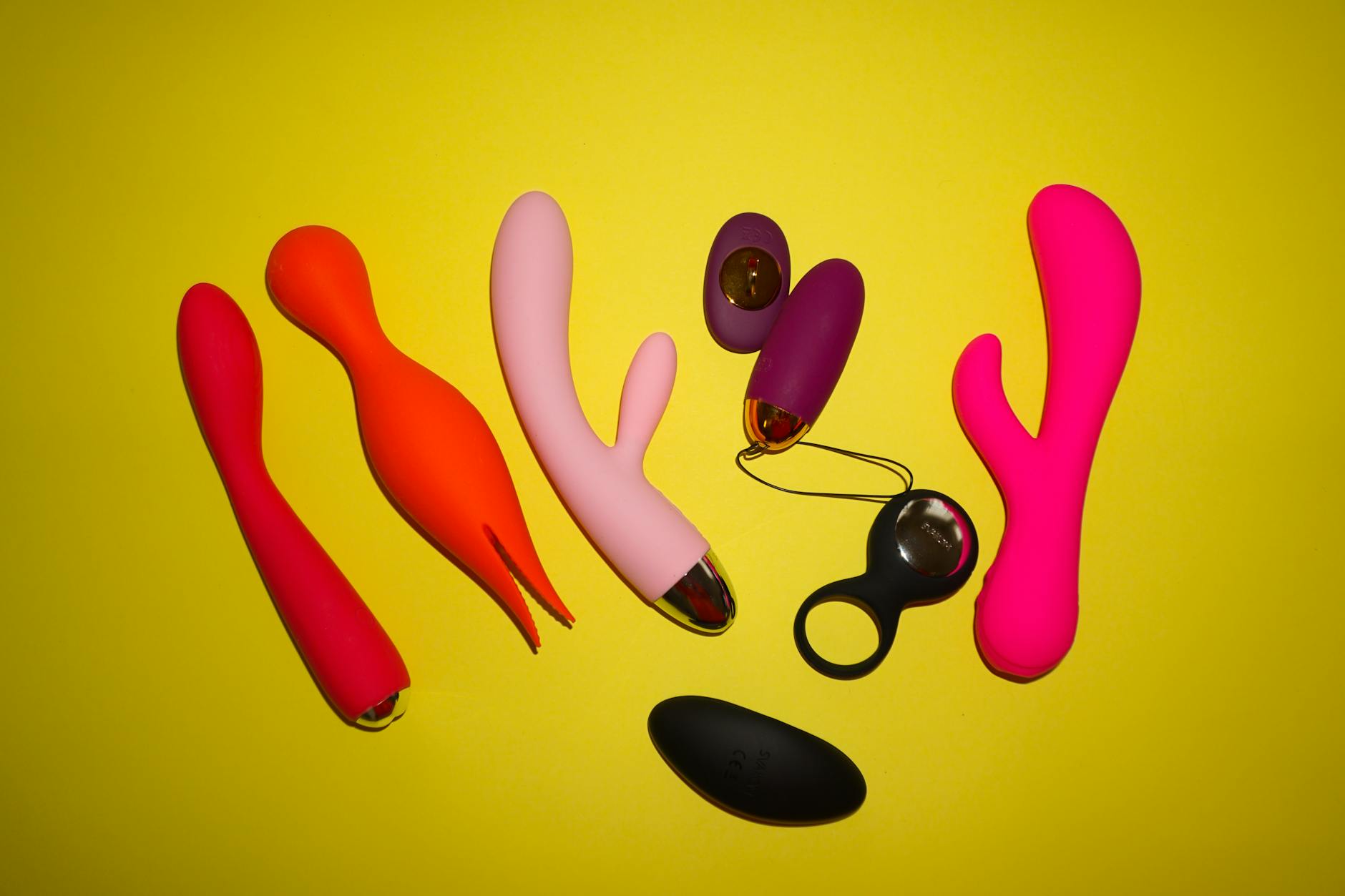
The honest setup
Let's start where most people won't. You own a lemon vibrator. Your partner doesn't know. And you're sitting with that fact like it's something you should feel guilty about, but you're not entirely sure why. That's the conversation we need to have.
Here's the reality: using a clitoral vibrator privately in a monogamous relationship is not infidelity. It's not a substitute for your partner. It's not an indictment of your relationship. And yet, the shame around it persists for a reason. We've built an entire culture around the idea that your sexuality belongs to your partnership, which means privacy feels like betrayal. It doesn't have to feel that way.
Why the secrecy feels loaded
Let's separate a few things. There's a difference between privacy and deception. Privacy is "I have a part of my inner life that's mine." Deception is "I'm actively hiding something because I know my partner wouldn't approve." Those live in very different emotional territories.
Most people keeping their lemon vibrator use quiet are actually practicing privacy, not deception. But the mind doesn't always know the difference. The anxiety is real, and it comes from somewhere legitimate. Many of us grew up in relationships and cultures where sexuality was either something you did with a partner or you didn't do at all. Solo pleasure was whispered about, shameful, something to hide. That messaging doesn't just vanish because you're an adult in a healthy relationship.
Add in the fact that vibrators are still weirdly loaded symbols for some partners. Some people read toy use as "my partner is bored with me" or "I'm being replaced." That fear is out there, and you might be carrying it even if your specific partner hasn't said it.
The practical side of privacy
If your partner doesn't know, the first thing is storage. A lemon vibrator is small enough to keep discreet, which is actually part of its appeal. A makeup bag, a locked drawer, a nightstand compartment behind other things. But here's the thing: if you're regularly using it and your partner is in your space regularly, you're either in permanent anxiety mode or you're managing it better than you think.
The real logistics are less about hiding and more about respect for shared space. If you live together, your partner deserves not to stumble onto your toys unexpectedly. That's not about shame. That's about the same boundary principle that means they shouldn't find your private emails or overhear your therapy sessions. Solo pleasure time deserves a container.
For timing, most people naturally find windows. Early morning. When your partner is out. Your own sleep schedule (if you have one). The lemon vibrator is quiet, discreet, and doesn't require a long setup. You can use it for 15 minutes and move on. There's no elaborate ritual required. That practicality is part of why hello nancy's lemon clitoral vibrator design works well for people in these situations. It's not a production.
What to do if they find out (before it happens)
This is the conversation most people actually need to have. Not with your partner yet. With yourself. Because when something is kept secret, the story we tell ourselves about it matters more than the thing itself.
Let's say your partner discovers your lemon vibrator tomorrow. What's your truth? Is it "I wanted something just for me, and I was afraid you'd feel hurt, so I didn't tell you"? Or is it "I'm not satisfied with our sex life and I needed this"? Or is it "I have a solo pleasure practice that has nothing to do with you, and it's part of how I maintain my own body and mind"? These are three completely different conversations.
You need to know which one is yours before anyone finds anything. Because the story you tell determines whether this becomes a rupture or an opening.
The relationship angle
Here's what a lot of relationship therapy doesn't talk about directly: solo pleasure is actually good for partnership. When you know your own body, your own rhythm, your own pleasure anatomy, you bring that knowledge into shared intimacy. You can say "try this here" instead of hoping your partner figures it out. You're less resentful because you're not making your partner responsible for all your pleasure. You're not performing. You're connected to yourself.
But that only works if the secrecy isn't eating you alive from the inside.
If you're using a lemon vibrator privately and you feel okay about it, genuinely at peace with your choice, that's one thing. If you're spiraling about discovery, if you're checking to make sure your partner didn't notice, if you're moving it around constantly, that's a different thing. That anxiety is the actual problem. Not the vibrator.
The relationship question isn't whether you should tell your partner. It's whether you want to. And whether keeping this private is serving you or storing tension.
When privacy becomes its own issue
There's a point where the secrecy takes up more mental space than the pleasure. If you're using a clitoral vibrator as an escape from a relationship problem (you're angry, disconnected, not being heard), then the vibrator isn't the issue. The relationship is. And using it quietly won't fix that. It might actually make it worse because you get relief without addressing anything.
If your partner has explicitly said "toys make me uncomfortable" or "I don't want you using vibrators," then you have an actual choice to make. Do you comply with their boundary? Do you use it anyway and keep it secret? Do you have a conversation about why this boundary exists and whether there's flexibility? Those are real options. But hiding something under a boundary someone set is different from keeping something private because you haven't discussed it yet.
The solo pleasure reframe
Let me offer something different. Your pleasure doesn't belong to your partnership. It belongs to you. That's not selfish. That's healthy. Using a lemon vibrator for 20 minutes to get off on your own terms, in your own body, on your own timeline, is not about your partner. It's not about replacing your partner. It's about you.
You get to have an internal life. You get to have solo experiences. You get to be sexual by yourself and that has nothing to do with whether you're attracted to or satisfied with your partner. Those are two different systems.
The question isn't really "should I tell my partner." The question is "how do I want to live?" Do you want to live with the weight of the secret, or do you want to live with the potential conversation? That's your actual choice.
If you do decide to tell
Framing matters. "I want you to know I use a clitoral vibrator on my own sometimes" is very different from "I've been hiding this from you." One is information. One is confession. You get to choose which story this is.
You can also frame it in your relationship context. "I'm realizing I want to be more in touch with my own pleasure, and having this tool helps me do that" is true. "It has nothing to do with what we have together" is also true. Both can be in the same conversation.
But don't tell your partner because you think you're supposed to. Tell them because you want the relationship to include this truth. There's a real difference.
FAQ: Privacy, pleasure, and partnership
Is using a vibrator when my partner doesn't know considered cheating?
No. Cheating involves deception around emotional or physical connection with another person. Solo pleasure with a toy is between you and your own body. It's not infidelity. If your partner has explicitly asked you not to use toys and you're doing it anyway, that's a different boundary issue, but it's still not cheating. It's a broken agreement, which is a conversation you need to have.
What if my partner gets upset when they find out?
The upset is usually about one of three things: they feel excluded, they feel like the relationship isn't enough for you, or they're uncomfortable with the sexuality itself. Those are three different problems with three different solutions. You might need to talk about what the vibrator means to them, what solo pleasure means to you, and whether there's a version of this that works for both of you. Sometimes that conversation leads to using the vibrator together. Sometimes it leads to an agreement that it stays private. Sometimes it leads to a deeper conversation about what you both need.
Can I use a lemon vibrator discreetly if my partner is home?
Yes, depending on your living situation. A lemon clitoral vibrator is quiet and small. If you have privacy like a locked bedroom or bathroom, you can use it the same way you would any solo time. If you share everything and have no privacy, the real issue isn't the vibrator. It's that you don't have personal space, which is actually a bigger conversation about boundaries and autonomy.
Should I feel guilty about having a secret vibrator?
Guilt implies you've done something wrong. Using a vibrator in your own body isn't wrong. You might feel shame, which is about internalizing messages that your sexuality is inherently shameful. Or you might feel anxiety about discovery, which is real and separate from guilt. But wrong? No. The vibrator isn't the problem. The story you're telling yourself about it might be.
How do I know if I should tell my partner or keep it private?
Ask yourself: would my life feel more integrated if they knew? Or would I genuinely prefer to keep this part private and I'm at peace with that choice? If you'd feel relief and authenticity from telling them, tell them. If you'd feel exposed and violated, don't. If you're genuinely unsure, that's usually a sign that keeping it quiet is storing tension. But there's no universal answer here. It depends on your relationship and your values.
My partner has said they don't want me using toys. Can I use my lemon vibrator anyway?
You can do anything. The question is whether you want to negotiate this boundary or respect it. If you think the boundary is unfair or rooted in insecurity, that's worth a conversation. Not a negotiation where you ask permission to break the rule in secret, but an actual conversation about why they feel this way and what would help. Maybe they'd be comfortable with solo toy use but not partnered use. Maybe they need reassurance. Maybe they need to understand what the tool actually does for you. Or maybe you decide this boundary matters to them enough that you respect it. Those are all legitimate choices, but making them secretly isn't one.
The bottom line
Your lemon vibrator doesn't have to be a secret that eats at you. It can be something you use that's simply private, the same way parts of your inner life are private. But that only works if you're genuinely at peace with it, not just anxious and hiding.
If the secrecy is stressing you, that's the thing to address. Not the vibrator. The story you're telling yourself about who you should be and what your body's pleasure means in the context of your partnership. That's the real conversation. And it might be one you have alone, or it might be one you have together. But it's the one that actually matters.
Your pleasure is part of your health. Your autonomy. Your aliveness. That deserves respect. Whether you keep it private or share it, it deserves to be honored. Not hidden in a way that costs you peace.