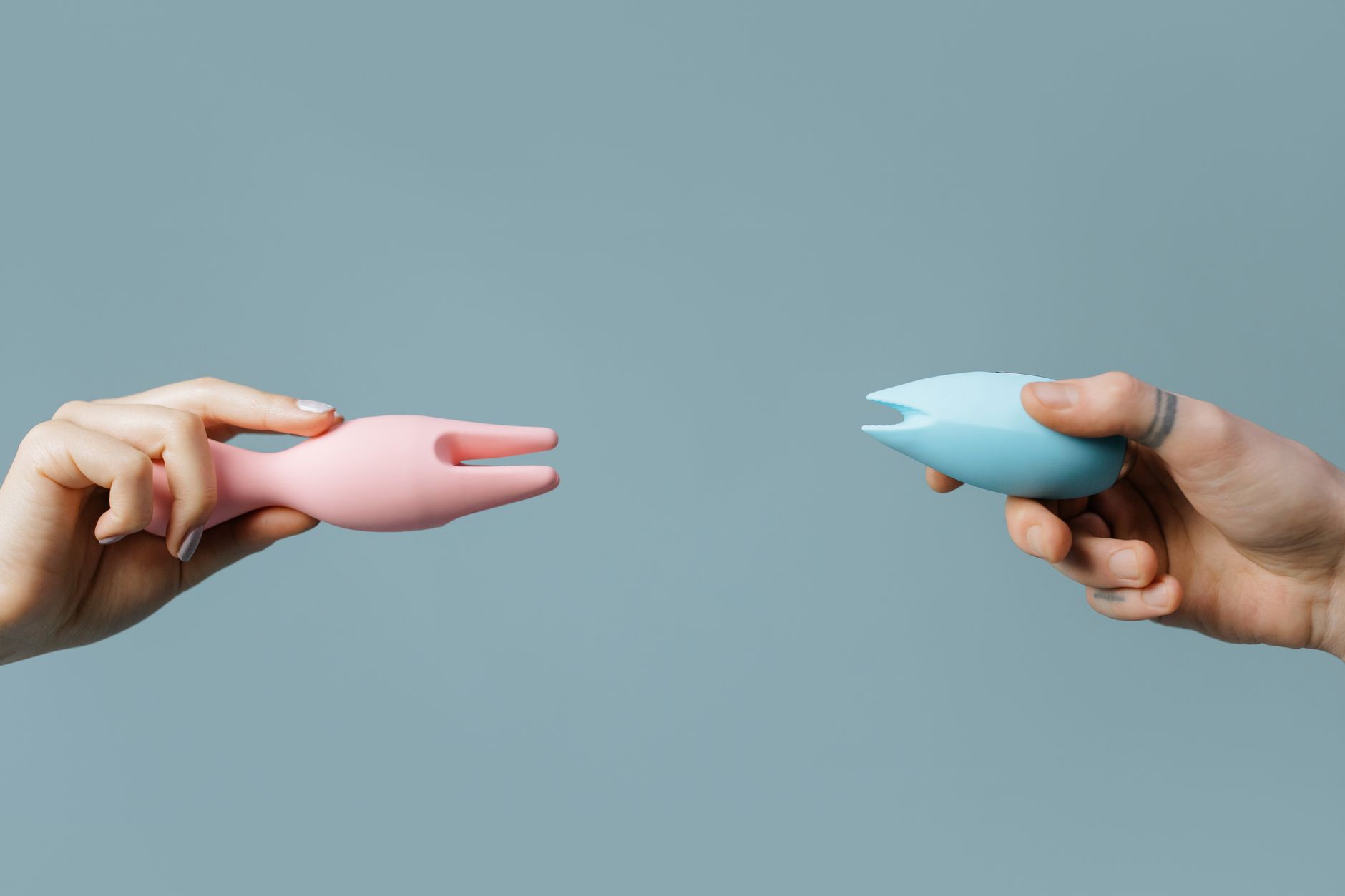
Let's name the real issue
Here's what actually happens when you mention a vibrator to a partner who hasn't used one before. Their brain runs through a lightning-fast series of fears: Am I not enough? Does she think I'm not doing it right? Is she bored? Will this change what we are? And then they say something like "I don't know, it feels weird" and you both drop it.
Those fears are real and they're not stupid. But they're also not about the toy. They're about feeling replaced, or judged, or left behind. And that's something you can actually fix.
Why partners resist toys (and it's not what you think)
Most resistance isn't prudishness. It's one of three things.
First: a misplaced sense of competition. Your partner may genuinely believe that introducing a vibrator means you're unsatisfied with them sexually. This is false, but telling them it's false doesn't land. What works is showing them, through action and tone, that the toy is an addition, not a replacement. That it's something you want to explore together, not something you're doing because they're not enough.
Second: unfamiliarity breeds caution. If they've never seen a lemon vibrator, never touched one, never heard anyone talk about them normally, they land in the brain as strange. Not bad, but unknown. And unknown is scary when it involves intimacy.
Third: shame or embarrassment. They may have absorbed cultural messages that toys are trashy, or unfeminine, or that wanting or using them is something to hide. This one takes longer to work through, but it's workable.
How to introduce the conversation (not the toy yet)
Don't ambush your partner with a toy in the bedroom. That's a dead end.
Instead, pick a moment that's not sexual. You're having coffee, or in the car, or just sitting on the couch. You're relaxed, they're relaxed. Then say something like: "I've been thinking about trying something in bed and I want to talk about it with you first."
That single sentence does several things at once. It signals respect (you're asking, not springing). It's low-pressure (you're talking, not doing). And it lets them mentally prepare instead of being caught off guard.
Then you explain what you actually want. Not "I want a vibrator because you're not satisfying me," which is defensive and false. Instead: "I've read that clitoral vibrators can help me experience orgasms that feel different, and I'm curious to try it. I'd love to do this with you, but I want to know how you feel first."
Notice what that does. You own the desire (I'm curious). You frame it positively (different, not stronger or better). You invite them (with you). And you ask for their honesty (how do you feel).
What to do when they say "I don't know" or "I'm not sure"
This is the most common response, and it's actually good news. It's not "no." It's "I need to understand this better."
Ask one question: "What's making you unsure?" Then listen. Don't defend. Don't explain why they shouldn't feel that way. Just let them talk.
You'll probably hear one of those three fears I mentioned earlier. Your job is to address the actual fear, not the stated objection. If they say "It feels weird," the fear underneath might be "Will this make our sex life feel less intimate?" So you answer that: "I actually think it might bring us closer because I'll feel less pressure to perform and more space to actually be present with you."
If they say "I don't want to feel like I'm not enough," you don't say "You are enough." That lands like a platitude. Instead: "Your hands and your presence matter to me. This toy isn't a replacement for that. It's something new we're exploring together. There's a difference between boredom and curiosity."
The slow introduction approach
If your partner is genuinely hesitant, don't jump straight to using a toy. Start with education.
Send them an article about clitoral suction toys. Not in a aggressive "read this" way, but casually. "I found this interesting, thought you might want to check it out." Let them decide if they read it.
Talk about it the way you'd talk about trying a new restaurant or a new position. Matter-of-fact, curious, not charged. "I looked into lemon vibrators and they seem to work really differently than other toys."
If they start asking questions, you're winning. Questions mean curiosity is edging out resistance.
When you actually introduce the physical toy
Don't present it dramatically. This isn't a surprise gift or a grand gesture. It's genuinely casual.
Pull it out in a low-key moment. "Hey, I got this. Want to see what it does?" Let them hold it, feel the weight, understand that it's not some scary alien object. It's a small, elegant piece of silicone designed to feel good.
If they're still nervous, offer to use it solo first while they're in the room. Not performing for them, but just letting them see how normal and unglamorous it actually is. You turn it on, it makes a gentle sound, you use it, it's fine. No spectacle.
Most partners' resistance softens dramatically once they realize it's not weird or threatening. It's just a tool that makes sex feel better for you.
How to actually integrate it into partnered sex
Once they're onboard, the integration matters. Start small.
Use the toy on yourself while you're together, but not as a replacement for their touch. They're still touching you, still part of what's happening. The toy is an addition, not a solo act.
Talk during it. "This feels good," or "Can you kiss me while I use this?" Anything that keeps them present and involved in the experience, not watching from the sidelines.
Over time, some partners want to use the toy on you, or incorporate it into specific moments. That's something you figure out together as comfort builds.
What happens when resistance turns into enthusiasm
Honestly, most partners go from "I'm not sure about this" to "This is kind of amazing" within a few sessions. Why? Because they realize something important.
When you're getting more pleasure, you're more present. You're less in your head. You're less performing and more feeling. That makes sex better for both of you. Your partner gets to experience you more relaxed, more focused on sensation, more vocal about what feels good. That's incredibly hot to most people.
They also realize that pleasure isn't a zero-sum game. Your orgasm isn't being stolen from them. It's being added to what you're already sharing. That shift in understanding often leads to them being genuinely enthusiastic about finding ways to integrate the toy that work for everyone.
The partnership conversation, reframed
Here's the thing about introducing a lemon clitoral vibrator to a resistant partner. It's not really about the toy at all. It's about showing them that you trust them enough to be honest about what you want. That you see sex as something you're building together, not performing in isolation.
When you handle this transition thoughtfully, you're not just adding a toy to your sex life. You're building a relationship where desire is discussed openly and curiosity is welcomed. That changes everything.
And if your partner still isn't onboard after you've given this a genuine try? That's different information, and it's worth exploring what's really underneath. But most of the time, resistance melts once the mystery and fear are removed.
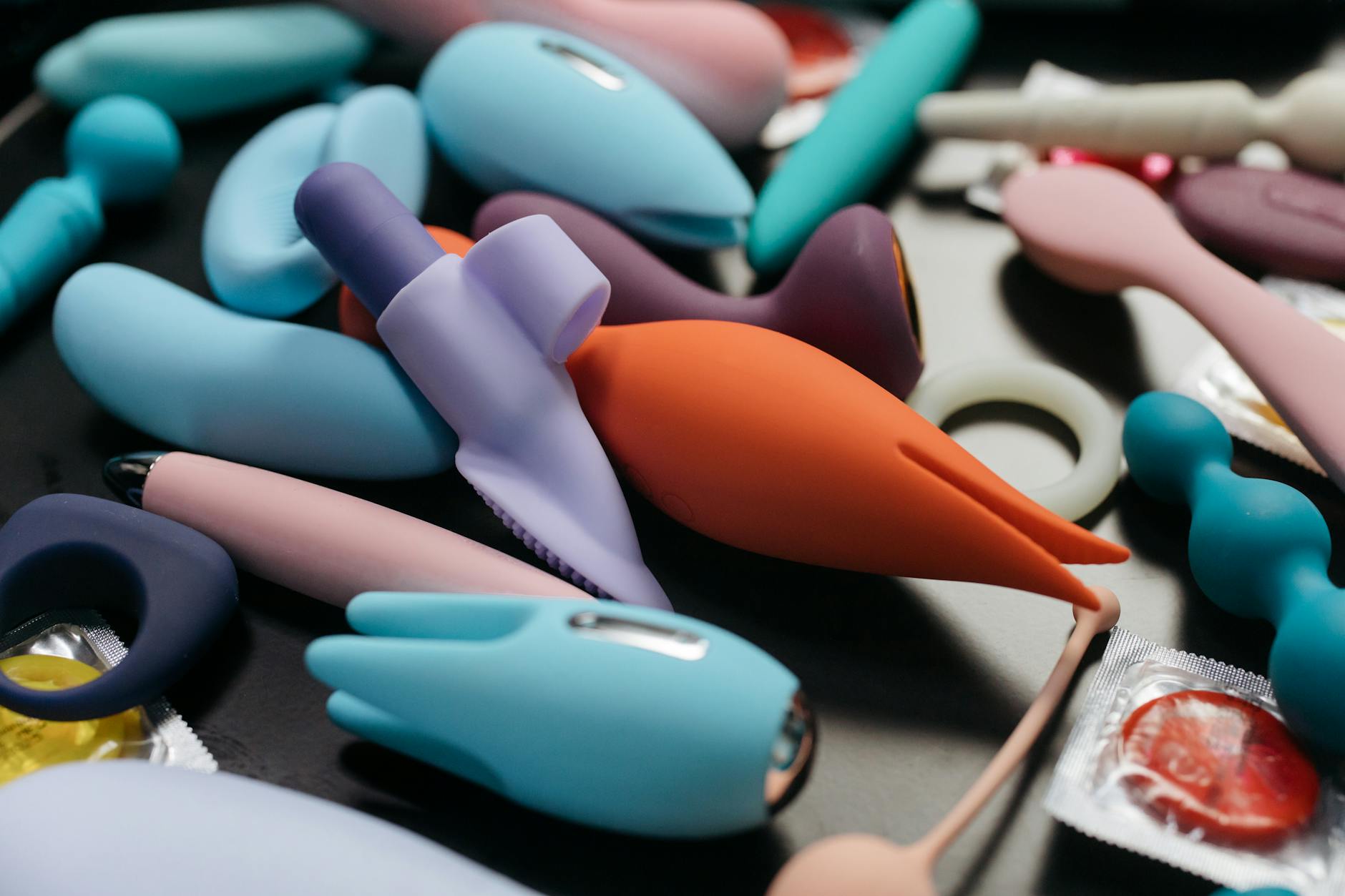
Photo by cottonbro studio on Pexels
FAQ: When your partner resists toys
What if my partner says no and means it?
Then you need to respect that boundary. But also explore what's behind it. Is it a hard no forever, or a "not right now"? Is it about toys specifically, or about feeling like they're not enough? Sometimes the resistance isn't about the toy at all but about deeper relationship stuff that needs attention first. If you're hitting a wall, couples counseling isn't failure. It's clarity.
How do I know if they're saying yes out of pressure?
Listen for hesitation in their voice. Watch whether they actually want to participate or if they're just tolerating it. A genuine yes feels different than a reluctant yes. If you sense pressure, pause. Say: "This only works if you actually want to do this. Are you genuinely interested, or are you saying yes to make me happy?" Their answer matters more than moving forward.
Can I use a lemon vibrator without my partner knowing?
You can. Solo use is completely valid. But if your goal is to integrate it into partnered sex, secrecy builds resentment. It can feel like betrayal, even though it's just self-care. Honesty upfront is harder but leads to better places.
What if they want to use it but feel awkward about how?
That's actually good. Awkwardness is just unfamiliarity. Walk through it together. Show them the intensity levels. Explain that it's not about intensity for intensity's sake, it's about finding what feels good. Let them experiment without judgment. Most of the awkwardness evaporates once they realize they're not going to break anything.
Should I hide my vibrator if my partner is resistant?
Not permanently. Secrecy creates distance. But you don't need to make it a centerpiece either. You could keep it somewhere private initially, and once they're more comfortable, it's not hidden anymore. The goal is for toys to feel normal and unshameful in your relationship, not contraband.
How long does it usually take for resistance to shift?
It varies. Some partners shift in a conversation. Others need weeks or months of exposure to the idea. There's no timeline you need to force. Your job is to stay curious and patient, not to convince them. The faster you release the need for them to change, the more space they have to actually be curious themselves.
One more thing
Introducing a toy to a partner who's hesitant isn't about the lemon vibrator. It's about building trust around desire. When you handle this conversation with honesty, patience, and respect, you're teaching your partner that their feelings matter, but so does your curiosity. That's the real win.
Ready to have this conversation? Start with how to use a lemon vibrator when introducing it to a long-term partner, where we walk through the exact phrasing that works.