
When sex becomes a checkbox instead of a connection
Let's be real. After months or years together, sex can start to feel like something you both schedule around other obligations rather than something you actually want. You go through the motions. Someone finishes. You roll over. Nobody's angry about it, but nobody's particularly excited either.
This isn't a sign your relationship is dying. It's a sign your nervous system has stopped paying attention.
The mechanical sex trap
When partnered sex becomes routine, a few things happen at once. First, novelty disappears. Your brain literally stops firing the same neurons when something familiar happens repeatedly. Second, performance mode kicks in. Instead of feeling what's actually happening in your body right now, you're monitoring: "Is this working? Am I taking too long? Should we move on?" That internal commentary is the opposite of pleasure.
Third, you stop asking for what you actually want. Why? Because asking feels like admitting the current rhythm isn't working, which means admitting you've been faking enthusiasm, which feels riskier than just staying quiet.
So sex stays mechanical. Both partners get something from it (release, physical contact, the reassurance of intimacy on a schedule), but neither gets pleasure in the way that makes you feel alive.
Why introducing a lemon vibrator changes the entire dynamic
A lemon vibrator or other clitoral vibrator isn't a workaround. It's a reset button.
Here's why it works: If you've been faking it or going through the motions, your partner doesn't actually know what makes you feel good right now. They're guessing based on what worked before, or what they think should work. A lemon vibrator gives you something concrete to point to. You can say, "This is what real pleasure feels like for me today," and your partner gets to see it, feel it, and participate in something that's unmistakably genuine.
For the partner receiving, using a lemon vibrator together shifts the entire frame. Instead of pressure to "make it happen," they get to experience you having authentic pleasure. That's radically different from performing satisfaction. Most people report that watching their partner's real pleasure is more arousing than anything they could manufacture on their own.
Starting the conversation without it feeling like criticism
The fear most people have: "If I bring in a toy, my partner will think I'm saying they're not enough."
Here's the reframe: You're not saying they're not enough. You're saying your pleasure matters enough to be specific about. And you're inviting them into that specificity.
The conversation can be that simple. "I want to try something. I've been thinking about getting a lemon vibrator. I'd like to use it together." You don't need a justification. You don't need to soften it with reassurance about how much you love them. Just a clear ask.
If your partner responds with "I thought you were satisfied" or "Why do you need that?" that's worth a separate conversation. But it usually sounds like: "Okay, tell me what you're thinking." Most partners are relieved. It takes pressure off them and gives the sex something new to pay attention to.
How to actually use it together
The setup matters. You're not adding a vibrator to the same routine you've been doing. You're building something intentionally different.
Start with your partner watching, not participating, while you explore. Hand them the lemon vibrator. Show them the intensity levels. Let them see what happens when you use it. This does two things: it removes the mystery, and it makes them an active participant in your pleasure rather than a bystander.
Then invite them to use it on you. Slowly. This is not about racing to orgasm. It's about them paying attention to your responses. Are you tensing up? Relaxing? Holding your breath? They should feel all of that and adjust based on what they're seeing, not based on what they think should happen next.
Your job is to actually feel what's happening instead of narrating it internally. When you're tempted to check out ("Is this taking too long?"), bring your attention back to the sensation. That shift from performance to presence is where everything changes.
Rebuilding desire through genuine sensation
Mechanical sex usually happens to people who have stopped noticing sensation altogether. You've gotten so used to the same choreography that your nervous system has basically tuned it out. A lemon vibrator creates novelty, which forces your brain to pay attention again.
But here's the thing: novelty alone doesn't last. The real work is training yourself to stay present with sensation, even when it's familiar.
After a few sessions with a lemon vibrator, try sex without it. Not as a test to see if the vibrator was necessary. But as practice in maintaining that same quality of attention you had when the toy was new. Notice your partner's breath. Notice where your bodies are touching. Notice what actually feels good to you right now, in this moment, not what felt good last month.
Desire returns when you stop going through the motions. And using a tool like a lemon vibrator together is often the permission both partners need to stop.
When the conversation gets harder
If your partner is resistant or dismissive, the vibrator isn't the real issue. The issue is disconnection. Some partners feel threatened by toys because they're already insecure about their role in the relationship. Some have internalized the idea that toys are cheating or a sign of dissatisfaction.
In those cases, how to use a lemon vibrator with your partner after a long break from sex might feel like a heavy lift. It might be worth having a broader conversation about what's changed, what you both need, and whether you want to rebuild this together. Sometimes you do. Sometimes you realize you've been having mechanical sex because the relationship itself has become routine.
But most of the time, resistance softens once someone understands it's not about adequacy. It's about presence. It's about both of you deciding that your pleasure together matters enough to pay attention to.
The shift from boredom to curiosity
Routine sex often feels obligatory because nothing's surprising anymore. You know what's going to happen. You know how long it'll take. You know the feeling afterward. Boredom isn't actually about frequency. It's about predictability.
A lemon vibrator introduces a variable. Even if you use it the same way every time, the sensation is different. Your partner's attention is different. Your response is different. That unpredictability wakes up both your nervous systems.
Over time, the real work is learning to bring that same exploratory energy to sex without needing a new toy every month. But first, you need to remember what it feels like to be curious about pleasure again. A lemon vibrator often does that.
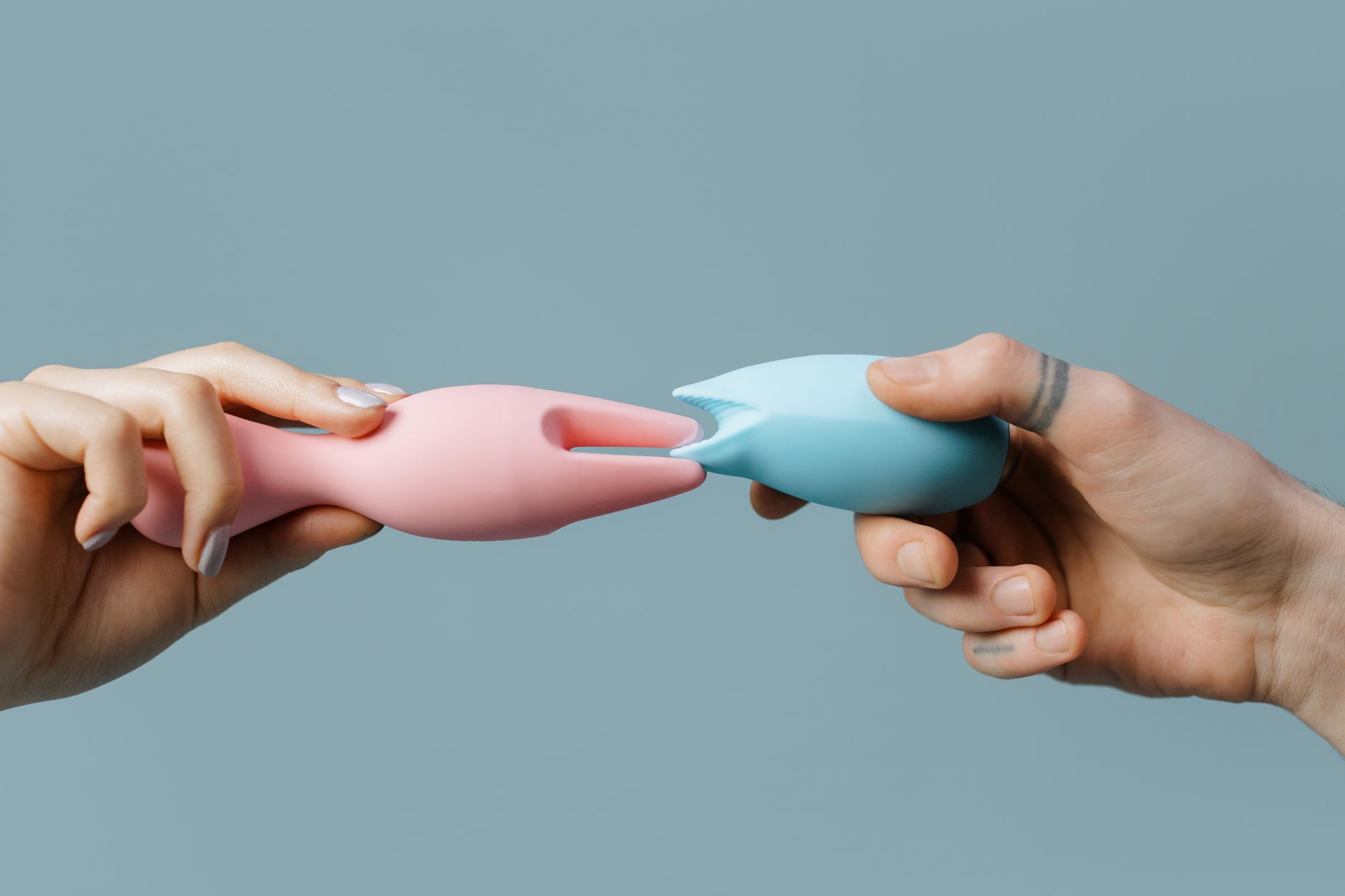
Photo by cottonbro studio on Pexels
Reestablishing pleasure as a shared priority
This might sound obvious, but most couples stop making pleasure a priority. Sex becomes one more thing on the to-do list, competing with work stress and laundry and parenting. Introducing a lemon vibrator is actually a way of saying: "Pleasure matters. Your pleasure matters. We're going to make time and space for it."
That declaration alone shifts things. You're not trying to fix anything. You're not diagnosing a problem in the relationship. You're just choosing, together, to pay attention to sensation again.
If mechanical sex has been your normal for a while, it might feel weird at first to be genuinely present during sex. You might feel awkward. That's fine. Awkwardness means you're paying attention. Keep going. Stay with it.
FAQ: Using a Lemon Vibrator to Rebuild Partnered Pleasure
What if my partner thinks a lemon vibrator means they're not satisfying me?
Reframe it early: "I want us to have better sex together. This helps me feel what I actually want. That means better sex for both of us." Most resistance softens when someone understands a toy isn't competition. It's a tool for presence.
Can we use a lemon vibrator if we're still having okay sex?
Absolutely. You don't need to wait until sex is terrible to try something new. In fact, good sex is the perfect foundation for introducing novelty. There's less defensiveness, more curiosity.
How often should we use it?
As often as it feels good. Don't turn it into another routine. Some couples use it weekly. Some use it once a month. Some use it for a while, then take a break, then come back to it. Follow your own rhythm, not an imagined ideal.
My partner wants to use it on me, but I feel self-conscious about my body.
That's real. Start solo. Get comfortable with the sensation first. Let yourself have genuine pleasure without an audience. Once you've felt what that is, inviting your partner in feels less vulnerable because you're already anchored in your own pleasure.
Is it normal to prefer the vibrator to sex with my partner?
Sometimes, yes. A lemon vibrator is designed for one job: clitoral stimulation. It's going to be efficient at that. The question isn't which is better. It's whether you want both. Most people do. Sex with a partner offers connection, novelty, and relationship depth. A vibrator offers reliable sensation. Different things, both valuable.
We've been mechanical for years. Is it too late to rebuild this?
No. It's actually never too late. The longer you've been in routine, the more profound the shift will be when you decide to pay attention again. Your nervous system hasn't forgotten how to feel pleasure. You've just been ignoring the signal. A lemon vibrator is often the thing that makes you listen again.
The real work starts after the novelty wears off
Bringing a lemon vibrator into your partnered sex life isn't a permanent solution to mechanical sex. It's a catalyst. The real work is learning to stay present with sensation, even when it's familiar. It's saying "this matters" and actually meaning it. It's choosing curiosity over autopilot, even after years together.
Toys help. But they're not the point. The point is remembering that you both deserve to feel alive during sex, not just satisfied. A lemon vibrator is often what gives you permission to claim that. The rest is on you both.