Let's talk about what stress actually does to your body
You know that feeling when you're wound up about work, money, or a relationship conflict, and your body just... doesn't want to? That's not laziness. That's neurology. Chronic stress keeps your nervous system locked in fight-or-flight mode, which means blood is being routed to your extremities and brain, away from the tissues that would normally flood with sensation during arousal.
Your clitoris needs blood flow to feel anything at all. When cortisol is high, that flow shuts down. You might touch yourself or be touched by a partner and feel... absolutely nothing. Like you're operating your body remotely, or like sensation is happening to someone else entirely.
The nervous system hijack is real, and it's not your fault
When stress is chronic, your body treats arousal like a luxury it can't afford. Evolution designed your nervous system to prioritize survival over pleasure. If your brain thinks you're under threat, it downregulates sensation in the genitals. Full stop. This isn't weakness or low libido. It's your body's threat-detection system working exactly as it was designed.
The tricky part is that even when the external stressor passes, your nervous system can stay stuck in that activated state for weeks or months. You might intellectually know you're safe, but your body hasn't received that memo yet.
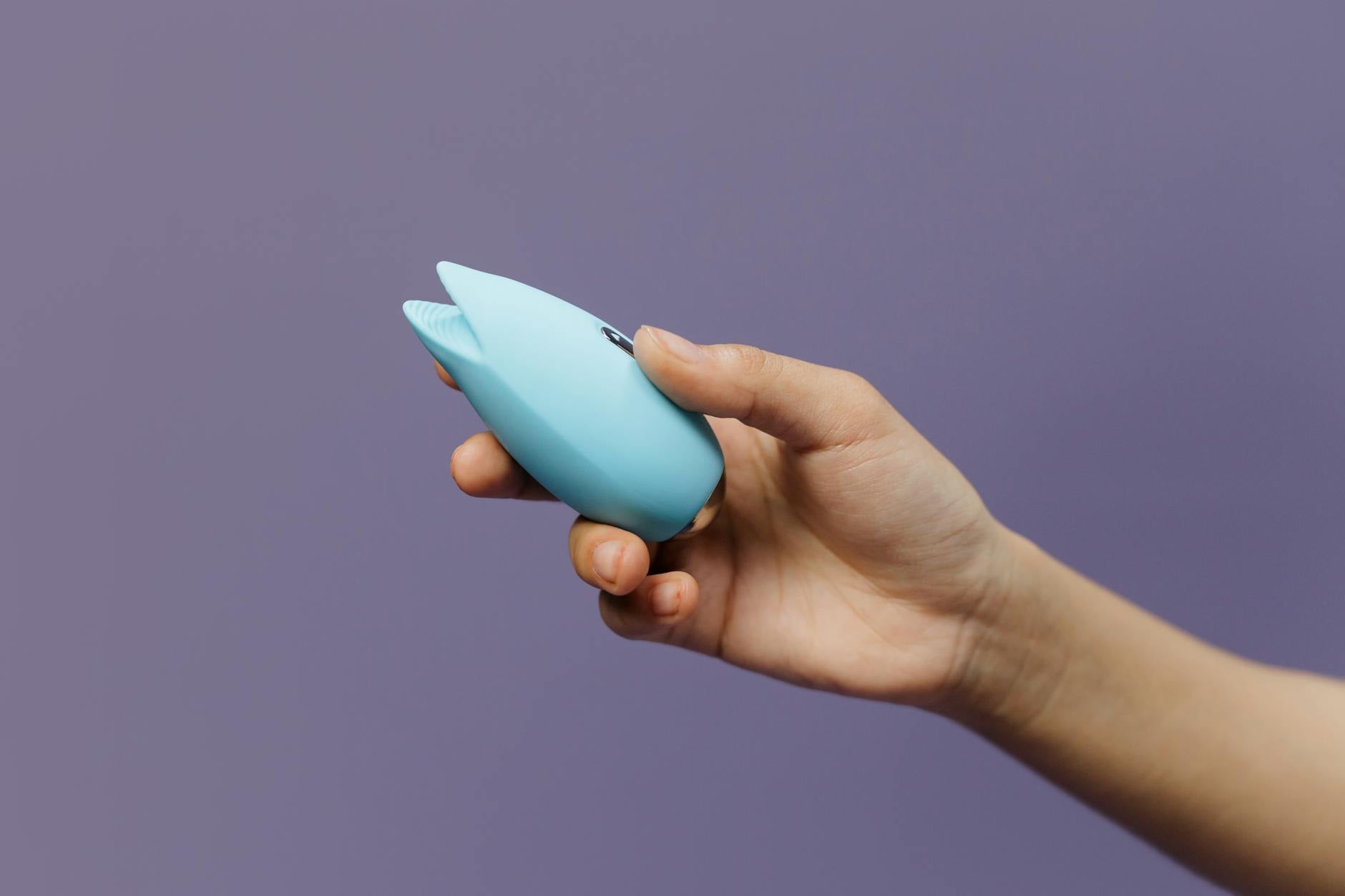
That's where tools like the Lem vibrator come in. Air-suction clitoral vibrators work differently than traditional vibrators because they create a rhythmic pulse rather than direct friction. For stressed bodies that have numbed out, that sustained suction can actually help reset your nervous system's baseline and coax sensation back online.
Why suction works better when you're numb
Traditional vibrators rely on high-frequency buzzing to create sensation. If your tissues are desensitized from stress, that buzzing might feel like... nothing. You'll crank up the intensity, it still feels muted, and you'll give up frustrated. You've now associated pleasure-seeking with failure, which makes the stress worse.
Clitoral suction toys like the Lem work on a different principle entirely. Instead of vibration, they use gentle rhythmic suction to draw blood into the clitoris and create a feeling of fullness and pressure. This mimics what happens naturally during arousal, but in a more consistent, controllable way. For numbed bodies, that pressure can be the difference between feeling nothing and feeling something.
The other advantage: suction doesn't require the same level of active engagement from your nervous system. You're not chasing sensation. The toy is creating a contained environment where sensation can build on its own.
How to actually use the Lem when stress has you shut down
Start with the lowest settings.
Pattern 1 on the Lem is designed to be subtle and consistent. Don't jump to intensity or high patterns. Give your body permission to warm up slowly. You might feel nothing at first. That's fine. You're not trying to achieve an orgasm. You're re-teaching your body that this space is safe.
Use it during a low-stress window.
Don't try to reconnect with pleasure while you're actively worried about a deadline or a relationship issue. Pick a time when you know you'll have at least 30 minutes with your phone off, your door locked, and your mind relatively settled. A Saturday morning when nothing is due. After a day where the main stressor has resolved. This matters because you need your nervous system to be available, even a little bit.
Combine it with deliberate breathing.
Here's the biological hack: deep breathing literally switches your nervous system from fight-or-flight to rest-and-digest. Before you even touch the Lem, spend 2-3 minutes doing box breathing. Inhale for 4, hold for 4, exhale for 4, hold for 4. Repeat 8-10 times. This signals to your body that it's safe to feel again. Then introduce the toy at pattern 1.
Expect numbness to persist for a while, and that's normal.
Stress doesn't flip a switch on and off. It's a dial. The first few sessions with the Lem might still feel pretty muted. The point isn't instant fireworks. It's consistency. You're rebuilding a neural pathway. That takes time. Most people report that sensation starts returning after 2-3 weeks of regular use, 2-3 times per week.
Use lube even if you don't think you need it.
Stress causes vaginal dryness because of reduced blood flow and lower estrogen signaling. Even if you don't feel aroused, your tissues might be drier than usual. Water-based lube on the Lem itself helps the suction work more effectively and prevents any discomfort. It also signals to your nervous system that you're setting up an environment for pleasure, not performance.
The parallel work you need to do outside the bedroom
The Lem can help reset your nervous system's baseline, but it can't do the psychological work. If the stress is ongoing, pleasure will stay hard to access. This is where honesty matters. What's actually making you anxious? Is it a work situation you can change? A relationship dynamic that needs a conversation? A financial worry that needs a plan?
You don't need to solve everything before you can feel pleasure again. But you do need to be doing something about the stressor, even if it's just naming it and creating a small action plan.
If the stress is situational (a project with an end date, a temporary family crisis), pleasure will return faster once the situation resolves. If the stress is structural (a job you hate, an unsupportive relationship, chronic health issues), you might need support from a therapist or counselor to make changes. A sex toy is a great tool, but it's not a substitute for addressing what's actually wrong.
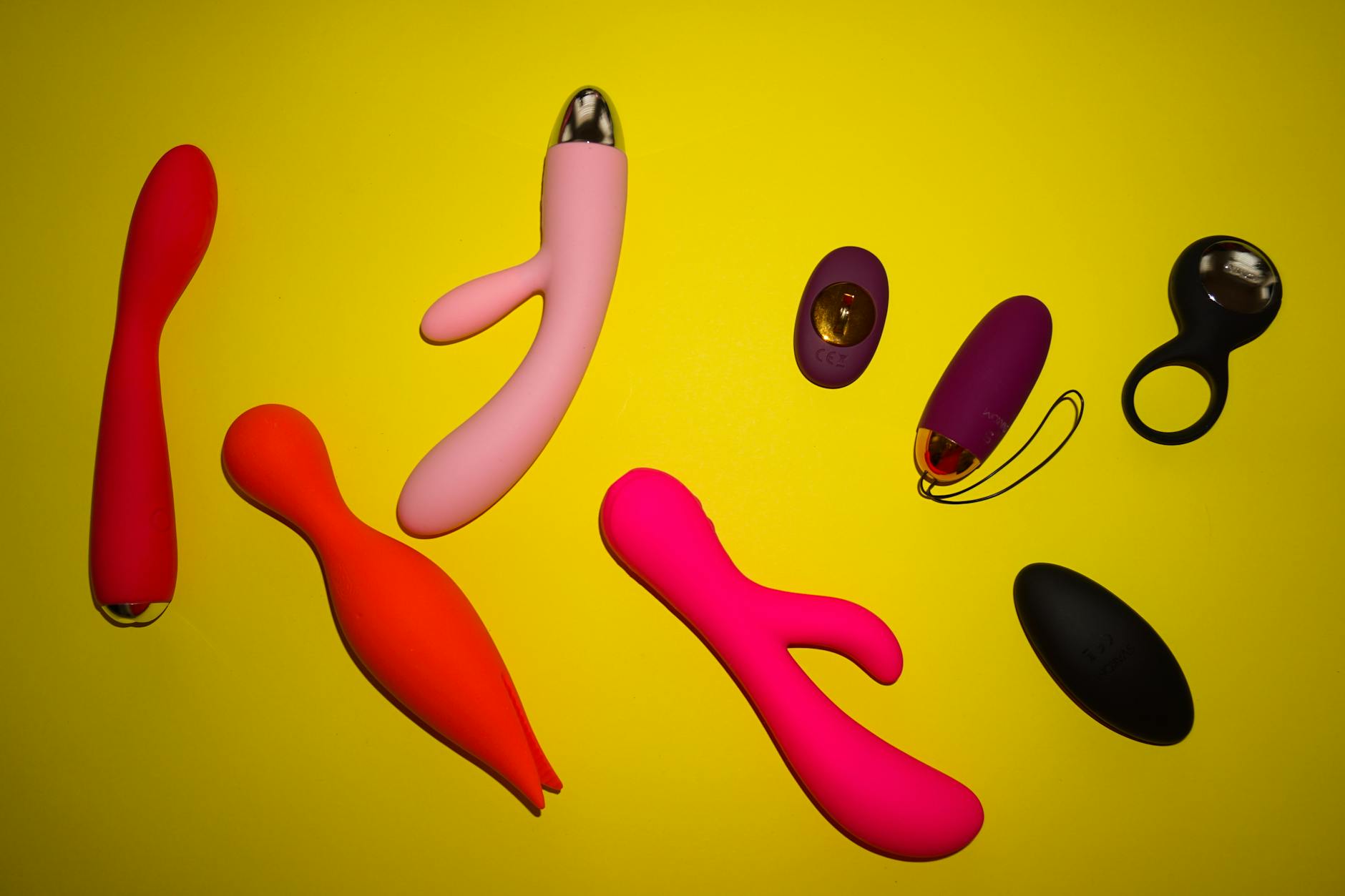 Photo by FounderTips on Pexels
When stress is paired with a partner
If you're in a relationship, your partner might interpret your numbness as lack of interest in them. That's a separate conversation from the one you're having with your body. Separate those two. Tell your partner something like: "My nervous system is stuck in stress mode right now, and that's making pleasure hard to access. That's not about us or about you. I'm working on resetting my baseline, and I'd appreciate your patience."
Then introduce the Lem in a way that works for both of you. Some partners want to use it together. Some prefer to let you reconnect solo first, then ease back into partnered pleasure later. There's no right way. What matters is honesty about what you need.
When sensation doesn't return after a few weeks
If you're using the Lem consistently, doing the nervous system work (breathing, lowering stress where possible), and sensation still isn't coming back after 4-6 weeks, that's worth discussing with a doctor. Numbness can sometimes point to other things: thyroid issues, hormonal shifts, medication side effects (especially SSRIs), or other medical factors. You want to rule those out.
A clitoral vibrator is a tool for reconnection, not a diagnosis or a cure. If you're stuck, you might need lab work or a conversation with a sex-informed therapist in addition to the toy.
The long view
Stress numbs pleasure because your body's design prioritizes survival. That's not broken. That's working exactly as intended. But it means pleasure requires tending to. It requires you to manage stress actively, not just white-knuckle through it. It requires tools like the Lem that can help retrain your nervous system. And it requires patience with yourself while that retraining happens.
Your body knows how to feel again. It just needs safety, time, and the right kind of stimulation to remember.
People also ask
How long does it take for sensation to return when stress is causing numbness?
Most people report noticing a shift in sensation after 2-4 weeks of consistent use (2-3 times per week), but full reconnection can take 6-8 weeks depending on how chronic the stress is. If the stressor is still active, the timeline stretches. The nervous system responds to actual safety, not just hope. As external stress resolves, sensation typically returns faster.
Can stress cause permanent numbness in the clitoris?
No. Stress causes functional numbness, not structural damage. Your clitoris has thousands of nerve endings that remain intact even when stress is high. What changes is blood flow and nervous system regulation. Once stress resolves and you actively work to rebuild sensation, numbness lifts. That said, if stress is extreme or prolonged, recovery takes longer.
Should I use a lemon suction toy or a traditional vibrator when I'm numb from stress?
Clitoral suction toys like the Lem are generally better for stress-related numbness because they work through sustained pressure and blood flow rather than high-frequency buzzing. When tissues are desensitized, suction creates a more noticeable sensation. That said, some people find a combination approach works best. Start with suction at low intensity, then add a traditional vibrator at very low intensity once you've rebuilt baseline sensation.
Is it normal to feel nothing at all when using a lemon vibrator if stress is high?
Completely normal. Stress can suppress sensation to the point where even direct clitoral stimulation feels distant or muted. This doesn't mean the toy isn't working. It means your nervous system is still in protective mode. Continue using it at low intensity during low-stress windows. Sensation will return as your body receives the signal that it's safe to feel again.
Can antidepressants make stress-related numbness worse?
Yes. SSRIs and some other antidepressants can dampen sexual sensation as a side effect, which compounds stress-related numbness. If you're on medication and experiencing numbness, talk to your prescriber about timing (some people take their dose after partnered sex, or switch to medications with fewer sexual side effects). Don't stop medication without guidance, but do mention the issue. There are options.
How do I know if my numbness is stress-related or something else?
Stress-related numbness usually has a clear timeline. It gets worse during high-stress periods and improves somewhat when stress decreases. If numbness arrived suddenly alongside a major stressor (a breakup, job loss, health crisis), stress is likely the culprit. If numbness is constant regardless of stress levels, or if it arrived without any clear trigger, it's worth discussing with a doctor to rule out hormonal, neurological, or medication-related causes.