Let's talk about the weirdness of solo pleasure after a breakup
Breakups scramble things. Your body stops being a shared experience and becomes... just yours again. Which sounds simple until you're actually alone and realizing you've forgotten how to touch yourself without someone else's presence in your head.
That's not dramatic. That's real.
What actually changes in your body and mind
After a relationship ends, pleasure doesn't work on the same timeline it used to. Your nervous system has been conditioned to respond to another person's touch, rhythm, and timing. Now you're relearning your own signal. Some people find their arousal bounces back quickly. Others discover their body feels like someone else's for a while. Both are completely normal.
The psychological layer is heavier than the physical one. Your body might physically respond to stimulation just fine. But your brain is doing emotional math in the background. Are you grieving? Angry? Liberated? Usually it's some combination, and that affects what solo pleasure actually feels like.
Here's what I see clinically: people who were in longer relationships often need permission to explore pleasure differently than they did before. You're not returning to who you were before the relationship. You're building someone new who knows what they learned from it.
Why lemon clitoral vibrators work especially well right now
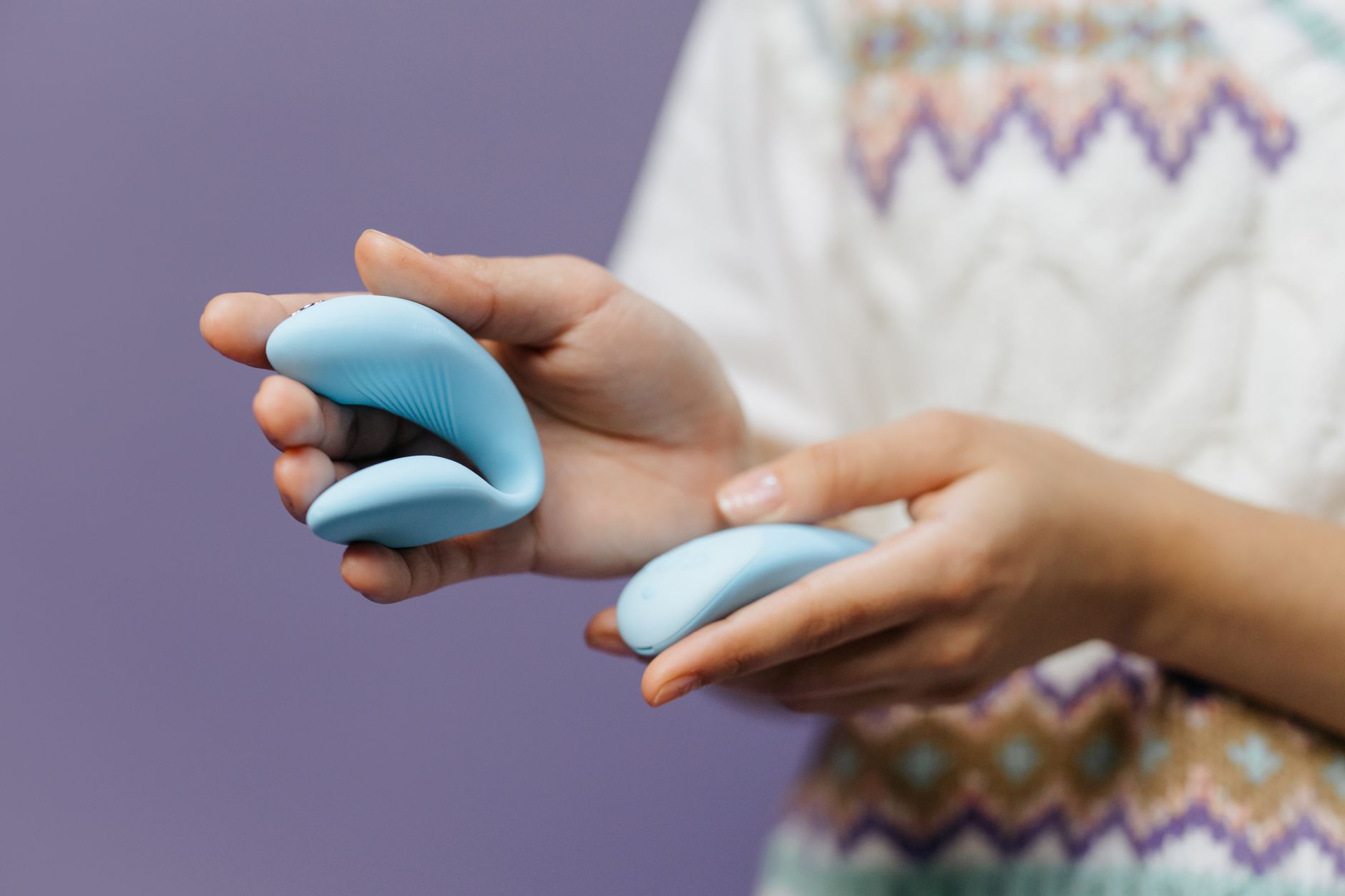
Lemon vibrators, like the Lem, are built on suction technology rather than direct vibration. That matters for recovery because you're not fighting your own sensitivity or numbness. You're building sensation gradually without forcing it.
The Lem's design means you control the pace. You set the intensity. You can start at pattern one and sit there for 20 minutes if you want. There's no performance pressure baked into the device. Compare that to a wand vibrator, which demands a certain intensity and speed. When you're rebuilding confidence in your body, that difference is massive.
Suction stimulation also feels different enough from partnered sex that it doesn't trigger comparison. You're not trying to replicate what someone else did. You're creating a completely new experience that belongs to you alone.
How to actually start: the first week back
Don't jump straight into orgasm. That's the mistake almost everyone makes, and it feels like a mini-failure when it doesn't happen immediately.
Instead, spend the first few sessions just exploring sensation. Charge your lemon vibrator fully. Sit somewhere comfortable where you won't be interrupted. Start with the device off. Hold it. Feel the weight and shape. Notice how your body reacts to just holding it. Some people feel nothing. Some feel a little flutter of excitement. Both are the starting point.
When you turn it on, begin at the lowest setting. Don't go straight to your clitoris. Run it over your inner thigh, your labia, your hip bone. Let your body relearn what pleasure feels like without goal-seeking. This usually takes 10 to 15 minutes the first time. You might not come. That's fine. You're not there yet.
Do this three to five times before you even try for an orgasm. This is permission to be inefficient. Pleasure after a breakup isn't about productivity. It's about remembering that your body is worth paying attention to.
When you're ready to build back to orgasm
Once you've done the intro sessions, you can start working toward climax. But here's the catch: don't expect it to feel identical to how it felt before. Your body has changed. Your nervous system has been through something. That's not a failure. That's information.
When you do go for orgasm, give yourself at least 20 minutes. Use water-based lubricant even if you don't think you need it. Thinner tissue benefits from it, and you might be surprised how much it changes the experience. Position yourself so you're fully supported. Tension anywhere in your body (shoulders, jaw, thighs) will delay or prevent climax.
Start on a low setting with the lemon vibrator. You can increase intensity gradually. Pay attention to what actually works this time around. You might discover you prefer a different pattern than you used before. You might need more clitoral contact than you remember. You might need less. All of that is data about your body right now, not proof that anything's broken.
The first orgasm after a breakup is sometimes weirdly emotional. You might feel sad, relieved, angry, or completely disconnected. Sometimes you feel all of those things at once. Let it move through you. It's your nervous system processing safety and pleasure at the same time.
The mind games and how to move past them
Most people face one of three mental obstacles when they return to solo pleasure. Recognizing which one you're dealing with helps.
The comparison trap. Your brain keeps comparing your hand or your lemon vibrator to what another person could do. You're alone, so of course it's different. That's not a flaw. It's just a fact. When the comparison starts, acknowledge it and redirect. Say to yourself: "That was then. This is now. I'm learning something different." Then refocus on sensation.
The guilt layer. Some people feel guilty for having pleasure after a breakup, especially if the relationship ended badly or if they were the one who left. That guilt isn't logical, but it's real. You deserve pleasure regardless of how the relationship ended. Solo pleasure isn't betrayal. It's recovery.
The numbness experience. Sometimes your body just feels off limits. You go through the motions of exploration and nothing lands. This is common in the first few weeks and usually passes. If it persists beyond a month or two, check in with yourself about depression or unprocessed grief. Sometimes you need a therapist more than you need a vibrator. Both can be true.
Building a routine that feels sustainable
After the first few weeks, solo pleasure works best when it's regular but not rigid. Two to three times a week is a solid rhythm for most people. Enough that you're rebuilding the habit and the neural pathways. Not so often that it becomes another thing on your to-do list.
Pick a time of day that works. Morning, evening, whenever. Some people find they're most responsive after exercise. Others prefer the wind-down before bed. There's no right answer. There's just what works for your body and your life.
Keep your lemon clitoral vibrator charged and accessible. Not hidden away in shame. Not left out in a way that feels risky. Just normalized. The more you integrate it into your actual life, the less it feels like a breakup recovery tool and the more it feels like something that just belongs to you.
When to know you're actually moving forward
You'll know you've genuinely rebuilt your relationship with solo pleasure when three things align: you can access arousal without comparing it to the past, you can have an orgasm without it triggering big emotions, and you can choose to have solo pleasure or choose not to without that choice feeling heavy with meaning.
That usually takes a few months. Not weeks. Not years. A few months of consistent, pressure-free exploration.
If you're still struggling after that, consider talking to a therapist about what solo pleasure represents for you psychologically. Sometimes the physical part works fine, but the emotional permission is still locked up. A professional can help you untangle that.
Right now, be patient with yourself. Your body is smart. Your lemon vibrator is designed to work with how you actually function, not against it. You're doing the hard work of reclaiming pleasure as something that belongs to you.
People also ask
Is it normal to not orgasm the first time using a lemon vibrator after a breakup?
Completely normal. Your nervous system might still be processing the relationship ending. Pressure to come can actually delay it further. Most people find orgasm becomes easier and more predictable after they've had a few sessions without goal-seeking. The first goal is sensation, not climax. The climax usually follows naturally after that.
How long after a breakup should I wait before exploring solo pleasure?
There's no universal timeline. Some people feel ready in days. Others need weeks or months. The key is readiness, not a calendar. If you're exploring solo pleasure because you're running from grief, that's different than exploring it because you feel genuinely curious again. Wait until you can feel the difference. Usually that's when you can think about the person without intense pain or anger taking over.
Can using a lemon vibrator help me process a breakup emotionally?
Indirectly, yes. Solo pleasure is a powerful form of self-care. When you're paying attention to your body's pleasure and capacity for sensation, it often helps you feel less fractured and less powerless. But a lemon vibrator is not therapy. If you're depressed, grieving heavily, or struggling with self-harm impulses, get professional support first. Pleasure can be part of recovery, but it can't be the whole recovery.
Should I use lubricant with my lemon clitoral vibrator during this recovery time?
Yes. Your tissues might be more sensitive than usual while you're processing stress and emotional upheaval. Stress actually affects vaginal lubrication. Water-based lubricant removes friction and makes the experience more comfortable, not less intense. It often makes it more intense by letting you focus on sensation instead of discomfort.
What if solo pleasure feels wrong or guilty after a breakup?
That feeling usually signals unprocessed grief or unexamined beliefs about your body. Both are worth exploring with a therapist if the guilt doesn't fade after a few weeks. Sometimes guilt is worth listening to because it's telling you something true about your needs. Other times it's conditioning you picked up from earlier in your life. A professional can help you figure out which is which.
Is it okay to think about my ex while using a lemon vibrator?
Yes, and you don't need to force yourself not to. Intrusive thoughts during solo pleasure are common. If you notice yourself drifting there, gently redirect without judgment. Thoughts aren't loyalty. They're just your brain's default pattern. Over time, with practice, your brain will build new associations with solo pleasure that don't circle back to the relationship. That usually takes a few months of regular exploration.
You're rebuilding, not starting over
The thing about returning to solo pleasure after a breakup is that you're not a beginner. You know what your body is capable of. You know you can experience pleasure. You're just rebuilding that knowledge as something that belongs entirely to you, not as something tied to another person's presence or approval.
Take your time. Your body's recovery isn't linear. Some weeks solo pleasure will feel amazing. Other weeks it will feel neutral or hard. Both are part of the process. Your lemon vibrator isn't going anywhere. You can explore at whatever pace actually works for you.
You deserve to feel pleasure. You deserve to reclaim your body as yours. The suction technology of tools like the Lem is designed to support that kind of gradual, pressure-free rediscovery. Trust your nervous system. It's smarter than you think.