
Let's talk about the medication-libido problem nobody warns you about
You started a new antidepressant. Or a blood pressure med. Or an antihistamine you take daily for allergies. Within weeks, desire flatlined. The person you're usually interested in feels less interesting. Arousal takes longer, or doesn't happen at all. Your body's response to touch feels muted, like you're experiencing sex through a foggy window.
Then comes the guilt spiral: your medication is working for your mental health or your body, so you shouldn't complain. You're supposed to be grateful. But you also miss your own sexuality.
Here's the honest truth: medication-induced libido loss is real, physiologically documented, and fixable. It's also something most doctors mention as a footnote, if they mention it at all.
Which medications actually affect arousal and desire
Some of the most common culprits are SSRIs and SNRIs (antidepressants like sertraline, paroxetine, venlafaxine). They work by altering serotonin, which is great for mood stability but can dampen dopamine signaling in the sexual response pathway. Beta-blockers for blood pressure reduce blood flow and can make erections and lubrication slower. Antihistamines dry out mucous membranes systemwide, including genital tissue.
But here's what matters: medication-induced sexual side effects are dose-dependent and often temporary. Your body may recalibrate in 8 to 12 weeks. If it doesn't, you have options.
The first is honesty with your prescriber. Say the words: "This medication is affecting my sexual function." Most doctors can adjust timing, dose, or switch to an alternative that has a lower sexual side-effect profile. That conversation is not weakness. It's essential health information.
Why a lemon vibrator works differently when medication numbs sensation
A lemon clitoral vibrator uses suction and pulse patterns rather than direct vibration. This matters when medication has reduced blood flow or dulled nerve sensitivity. Suction creates a sensation of drawing rather than pressure, which can feel more noticeable to a desensitized vulva than traditional vibration.
The pattern variety is also crucial. If one rhythm doesn't register, you can shift to another without losing time or momentum. Many people find that the mid-range patterns on a lemon vibrator activate sensation better than the highest intensity settings, which can feel painful or overwhelming on medication-numbed tissue.
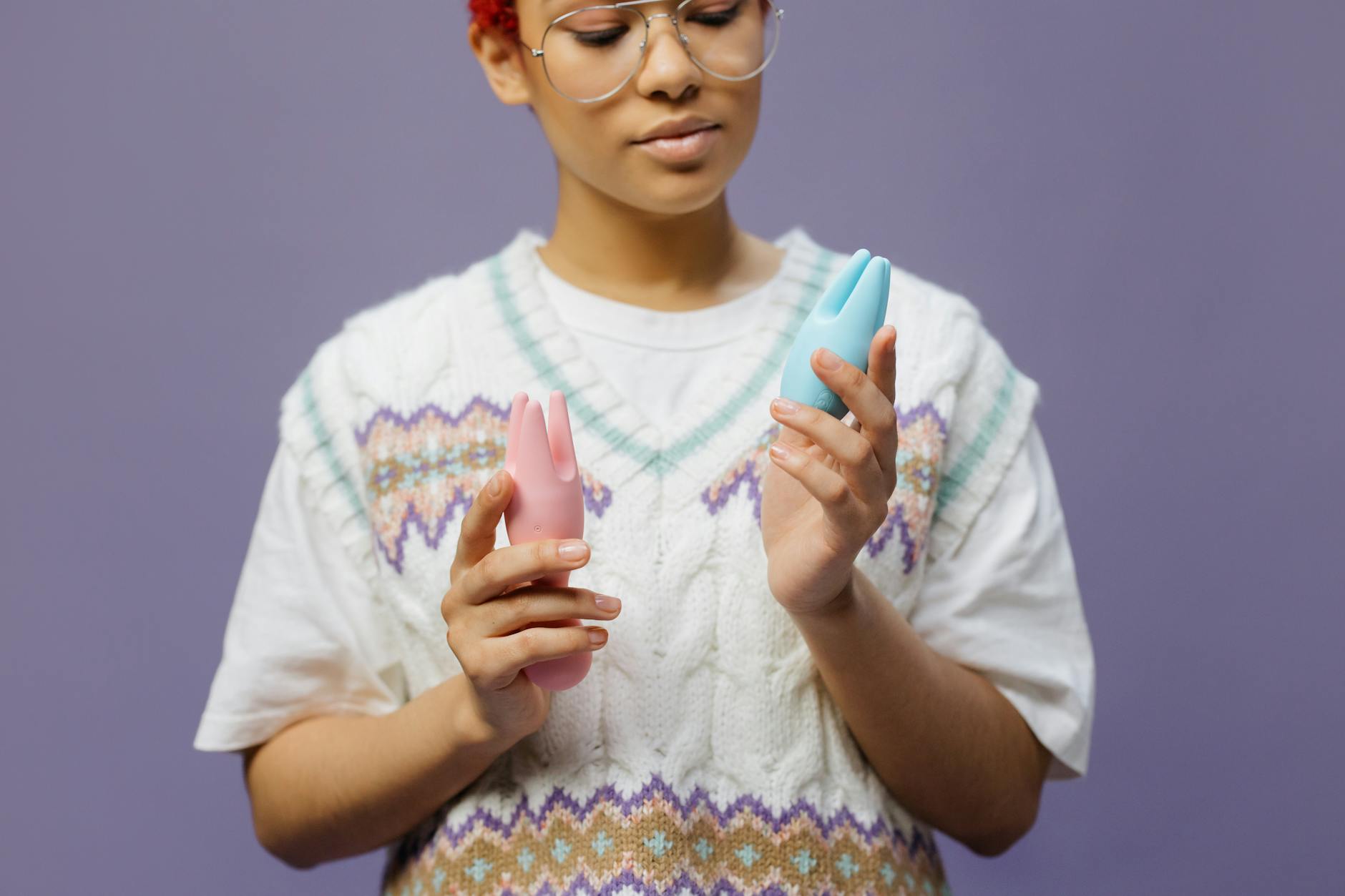
Photo by cottonbro studio on Pexels
The practical adjustment strategy
Start with lowered expectations about timeline. When you're on medication that affects arousal, getting turned on might take 25 to 40 minutes instead of 5 to 10. That's not failure. That's your new baseline, and it's worth protecting.
Set aside time without pressure. Not "let me see if I feel like it." Actual time, like Saturday morning or Tuesday evening, when you know nobody's going to interrupt. Your brain needs to trust that pleasure is safe and unrushed.
Begin with non-genital touch. Shower, lotion your skin, notice textures. Light touch on your forearms, collarbone, inner elbows. This primes your nervous system for sensation even when medication is reducing genital response.
When you move to using a lemon vibrator, start at pattern 1 or 2. Many people assume they need higher intensity when sensation is muted. Actually, very intense stimulation on numb tissue just feels numb and loud. Lower patterns are quieter and feel more elegant. Your nervous system may register them better than you expect.
Managing lubrication changes
Antihistamines and some blood pressure medications dry out vaginal tissue. A water-based lubricant isn't a luxury here. It's essential, and it actually helps sensation rather than dulling it. Dryness creates friction, friction reduces pleasure and can cause micro-tears.
Good lubrication allows the lemon vibrator to glide and create suction properly. Without it, you're fighting the device instead of working with it. Use generously. Reapply halfway through if needed.
If you're on a medication notorious for dryness, talk to your doctor about vaginal estrogen cream, which works locally and has minimal systemic absorption. Many people see a noticeable shift in tissue health and arousal within two to three weeks.
The emotional piece that nobody talks about
Medication can make you feel separate from your own body. Your mind wants pleasure, but your body isn't cooperating. That's isolating. If you're partnered, it can feel like you're rejecting your partner when actually you're struggling with a side effect.
Here's what helps: separate the conversations. "My medication is reducing my arousal" is not the same as "I'm not attracted to you." Naming that distinction out loud to your partner changes everything. Suddenly you're a team problem-solving a medical side effect, not a couple dealing with relationship erosion.
Using a lemon vibrator can also help you rebuild your own relationship with pleasure independent of partner dynamics. Solo exploration gives you data. You learn what patterns work, what timing works, what helps your nervous system shift into arousal mode. That knowledge is portable. You bring it back to partnered sex later.
When to push back on medication and when to adapt
If your sexual side effects are new and mild, wait 8 to 12 weeks. Your body often recalibrates. If they're severe and persistent, talk to your prescriber about timing adjustment. Some SSRIs cause fewer sexual side effects if taken right after sex rather than before. Some people do better on different medication in the same class.
But some people choose to stay on medication that affects libido because the mental health benefit is non-negotiable. That's valid. In those cases, the goal isn't "restore everything to baseline." It's "create pleasure within my new normal."
This is where a lemon vibrator becomes genuinely useful. You're not fighting your medication. You're designing a pleasure practice that works around it. That's not settling. That's strategy.
Building a new arousal map
When medication changes your sexual response, your old arousal map stops working. What used to flip a switch doesn't anymore. That feels like loss, but it's actually an invitation to experiment.
Notice which times of day feel more responsive. Morning? Evening? After exercise? After your partner says a specific thing? Start collecting data. Arousal is still available. It's just less automatic and more requiring attention.
A lemon vibrator is useful here because you can use it exploratively without the performance pressure of partnered sex. You're learning, not performing. You're building new pathways of sensation, not trying to resurrect the old ones.
Many people tell me that reconnecting with pleasure after medication-induced numbness actually improved their sex life long-term. Not because they went back to baseline, but because they got intentional. They stopped assuming desire would just happen and started creating conditions for it.
Questions to ask your doctor
If sexual side effects are present, ask specifically: "Is this medication known to affect sexual function?" "Would a lower dose help?" "Are there alternatives in this class with fewer sexual side effects?" "Should I time this medication differently?" "Would adding another medication to counteract the side effect be appropriate?"
Bring a list. Doctors move fast, and sexual side effects get deprioritized in their heads unless you make it clear this matters to you.
FAQ: Medication, desire, and lemon vibrators
Will using a lemon vibrator fix medication-induced numbness?
No, but it can help rewaken sensation while your body or your medication adjusts. A lemon vibrator's suction pattern can register differently on numbed tissue than traditional vibration. It's not a fix, but it's a tool that works better in this specific scenario than other options.
How long does it take for medication-induced libido loss to reverse?
Three weeks to three months, depending on the medication and your body. Some people see shifts within 4 weeks. Others take 12 weeks to feel like themselves. If nothing changes after 12 weeks, that's when you loop back with your doctor about alternatives.
Should I take a break from my medication to have sex?
Absolutely not without explicit permission from your prescriber. Mental health medications need consistent dosing. Sexual function is important, but abruptly stopping or skipping doses creates bigger problems. Always discuss timing adjustments with your doctor first.
Can I use lubricant with a lemon vibrator if my medication makes me dry?
Yes, and you should. Water-based lubricant actually enhances suction and sensation when used with a lemon clitoral vibrator. It's not dampening pleasure. It's enabling it.
My partner doesn't understand why I need a toy if I'm on medication. How do I explain it?
Simple frame: "My medication is reducing my arousal. A lemon vibrator helps me feel sensation and reconnect with pleasure while my body adjusts. It's not about you. It's about me rebuilding this for both of us." Many partners get it once they understand it's a temporary recalibration tool, not a replacement.
What if my medication is permanent and I'll always have low libido?
Then the goal shifts from "restore baseline" to "build a pleasure practice that works now." A lemon vibrator can be part of that practice. So can conversation with your partner, adjusted expectations about frequency, and maybe exploring forms of intimacy that don't depend on spontaneous arousal. You're not broken. Your baseline just changed.
The real takeaway
Medications save lives. They also change how we feel sexually. Both things are true. Using a lemon vibrator while you're adjusting to new medication isn't admitting defeat. It's meeting yourself where you actually are and building a pleasure practice that works in your real life, not the life you wish you had.
Your sexuality doesn't disappear when medication flattens desire. It goes quiet. There's a difference. And quiet things can be awakened with patience, the right tools, and a willingness to rebuild on new terms.
If you're navigating this transition and want to talk through what might work for your specific situation, reach out. That's what we're here for.