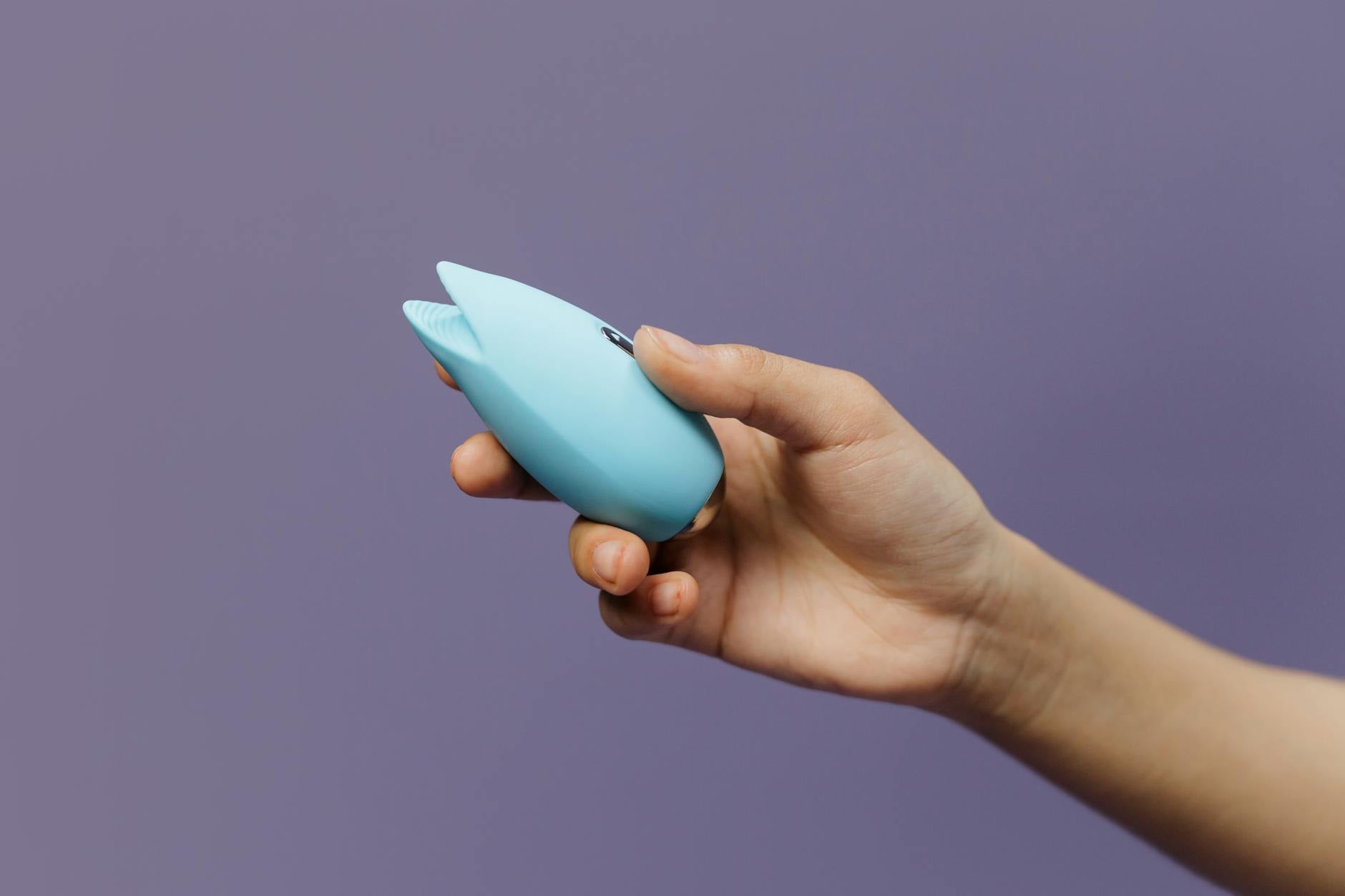
Here's the thing about vibrator sensitivity
You're not broken. Your body isn't permanently numbed. What's happened is your nerve endings have adapted to consistent, intense stimulation. It's the same physiological process that happens when you wear a watch every day and stop feeling it on your wrist. Your sensory system isn't faulty. It's efficient.
The question isn't whether you can recover sensation. The question is how long you're willing to invest in doing it. For most people, it's between three to eight weeks. That's worth knowing before you start.
Why desensitization happens with vibrators
Your clitoris has about 8,000 nerve endings packed into a space smaller than a pea. When you use a lemon vibrator regularly, especially at high intensities, those nerves are firing almost constantly. Over time, they require more stimulation to fire at all. This isn't weakness or dysfunction. It's adaptation. Your nervous system is doing exactly what it's supposed to do.
Vibrators are intense by design. The whole appeal of a clitoral vibrator like the Lemon is that it delivers targeted sensation that most manual stimulation can't replicate. But that intensity is also why consistent use at the highest settings can dull sensation faster than other methods.
Other factors speed this up. Antidepressants, certain hormonal contraceptives, and low arousal patterns all reduce nerve sensitivity independently. If you're already on medication that affects sensation, vibrator desensitization happens faster and deeper.
How to tell if it's actually happening
Desensitization doesn't feel like numbness. It feels like needing to turn the vibrator up to feel anything, or needing longer sessions than you used to. You might notice orgasms take longer to build, feel less intense, or not happen at all. Some people describe it as pleasure feeling more muted or distant, like watching yourself have an orgasm instead of experiencing it.
The tricky part is distinguishing vibrator desensitization from other things happening in your life. Stress, sleep deprivation, relationship tension, hormonal shifts, and low arousal all reduce sensation independently of vibrator use. If you're stressed, exhausted, and using your Lemon vibrator multiple times daily at maximum intensity, you can't tell which factor is causing what.
Start by asking: When did this shift happen? Did it coincide with increasing vibrator use frequency or intensity? Is sensation reduced everywhere or just with vibrators? Are orgasms less intense in general or specifically with devices? The answers help you pinpoint whether this is vibrator adaptation or something else entirely.
The recovery protocol that actually works
Complete abstinence is fastest but not realistic for most people. A more sustainable approach is what I call strategic stepping down.
Week 1-2: Lower the intensity. If you use your lemon vibrator on setting 5 or 6, drop to setting 2 or 3. It will feel weak. That's intentional. Your nerves need to re-learn what stimulation feels like at lower volumes. Sessions should be 10-15 minutes instead of 30+.
Week 2-4: Add manual stimulation. Alternate vibrator use with hand stimulation, partner touch, or non-vibrating toys. Your nerves recover faster when they experience varied input. This also prevents boredom, which is a major reason people intensify vibrator use in the first place.
Week 4-6: Extend recovery days. If you've been using your vibrator daily, move to every other day. Then every third day. Then once weekly. Some people skip vibrators entirely for 1-2 weeks. Sensation recovery accelerates when your nervous system has genuine downtime.
Week 6+: Reintroduce at new baselines. When sensation returns, use your vibrator at lower settings than you did before. Many people find they're satisfied with settings 2-4 now, where they previously needed 5-6. You've essentially reset your baseline.
What to do during recovery weeks
This isn't punishment. Recovery weeks are when you rebuild sensation with other methods. Your clitoris will actually be more responsive to touch, penetration, oral stimulation, and temperature changes during this phase. Some people report the most intense orgasms of their lives during recovery periods because they're experiencing lower-intensity stimulation with heightened awareness.
Sex with a partner becomes more interesting. Manual stimulation becomes more pleasurable. Your own fingers feel better. These aren't consolation prizes. They're reminders that desensitization specifically to vibrators doesn't mean desensitization to everything.
If you're in a relationship, this is also a good time to explore what your partner finds arousing about you. When vibrators are out of the picture, attention shifts to other sources of pleasure. Some couples describe recovery periods as reconnecting with intimacy they'd almost forgotten.
Common mistakes that slow recovery
The biggest one is underestimating how consistent you need to be. You can't do three weeks at low intensity and then jump back to your old habits. That just resets the cycle. Recovery isn't temporary. It's a recalibration of how you approach stimulation.
The second is assuming lower intensity automatically means less pleasure. Many people discover that once sensation returns, they actually prefer the feel of settings 2-4 on their lemon clitoral vibrator because the sensation is more nuanced and less overwhelming.
The third is giving up too early. Week 2 and 3 of recovery feel the worst because sensation is returning but not yet fully stabilized. Sessions feel less satisfying. It's tempting to turn the intensity back up to feel something.
Don't. Push through. By week 4, most people feel a noticeable shift. By week 6-8, sensation is typically back to baseline or better.
When desensitization might signal something else
If you're recovering from vibrator desensitization and sensation doesn't return after 8 weeks, or if you're experiencing numbness that's spreading beyond sexual sensation, see a healthcare provider. Persistent desensitization can indicate:
Hormonal imbalances, particularly low testosterone or thyroid issues, which reduce sensation system-wide. Nerve damage from other causes. Medication side effects. Certain health conditions that affect circulation. A good doctor can run basic tests. Many issues causing persistent desensitization are treatable.
Also worth knowing: If you've been using vibrators at very high intensities for years, recovery takes longer. Not impossible, but three months instead of six weeks. Start your protocol with realistic expectations.
Prevention is easier than recovery
If you want to avoid desensitization entirely, don't use your lemon vibrator at maximum intensity every session. Alternate between settings 2-4 and settings 5+. Take one day off per week. Vary your tools. Use vibrators, hands, and partner stimulation in rotation.
Don't increase intensity because you're bored. Boredom is normal and manageable. You can change patterns, try new positions, incorporate temperature play, or bring in partners. You don't need to escalate vibrator intensity to stay interested.
Think of it like coffee. You can have one cup a day and enjoy it. Once you need three cups to feel awake, you've built tolerance. It's reversible, but it takes work. Vibrator sensitivity is the same. Moderation from the start is easier than recovery later.
FAQ
Can you become permanently desensitized to vibrators?
No. Vibrator desensitization, even after years of use, is reversible. Some people recover faster than others based on genetics, medication, stress, and arousal patterns, but complete permanent numbness doesn't happen. Recovery typically takes 3-8 weeks of strategic stepping down and varied stimulation.
Does a lemon clitoral vibrator cause worse desensitization than other vibrators?
Suction-based vibrators like the Lemon stimulate nerves differently than traditional vibrators because they use pressure rather than pure vibration. Some people report desensitization happens faster with intense vibrators, but this varies widely. The issue isn't the tool, it's the intensity and frequency of use. You can cause desensitization with any vibrator if you use it at maximum intensity daily.
Is desensitization the same as a deadened libido?
No. Desensitization is specifically about nerve response to vibration. Your libido, your desire, your interest in partnered sex, and your capacity for pleasure in other contexts are separate from vibrator adaptation. Many people with reduced vibrator sensitivity have completely normal desire and enjoyment with other forms of stimulation.
How do you know if you should stop using vibrators altogether?
You don't need to quit vibrators permanently unless you want to. The goal is sustainable use that doesn't require constant intensity escalation. Most people find a rhythm that works: using a lemon vibrator 1-3 times per week at moderate settings, alternating with other stimulation methods. That balance usually prevents desensitization entirely.
Can medication help vibrator desensitization recover faster?
No prescription medication is designed to treat vibrator desensitization specifically. That said, if your desensitization is happening alongside low arousal or low desire, addressing the underlying cause (hormonal imbalance, medication side effects, stress, depression) often helps sensation recover faster. See a doctor if you suspect something else is at play.
What's the difference between desensitization and just needing a different type of stimulation?
Desensitization means you specifically need more intense vibration to feel anything at all. You've built tolerance to the stimulus. Different stimulation needs means you're bored with the sensation you're getting but you could feel something different if you tried a new pattern or tool. Boredom is solved by variety. Desensitization is solved by stepping back.
The reset you actually need
Desensitization is your body telling you that intensity-based stimulation needs a break. Listen to it. Your clitoris isn't failing you. It's asking for something different.
The recovery process isn't about suffering through weeks of reduced sensation. It's about discovering that lower-intensity pleasure is often more sustainable, more varied, and honestly, more interesting than the chase for constant escalation. Many people who recover from desensitization never go back to their old intensity levels because they realize they don't need to.
Your pleasure matters. Your sensation matters. And your ability to recover it matters more than you might think.
If you're struggling with this or want to talk through your specific situation, reach out. We're here to help.