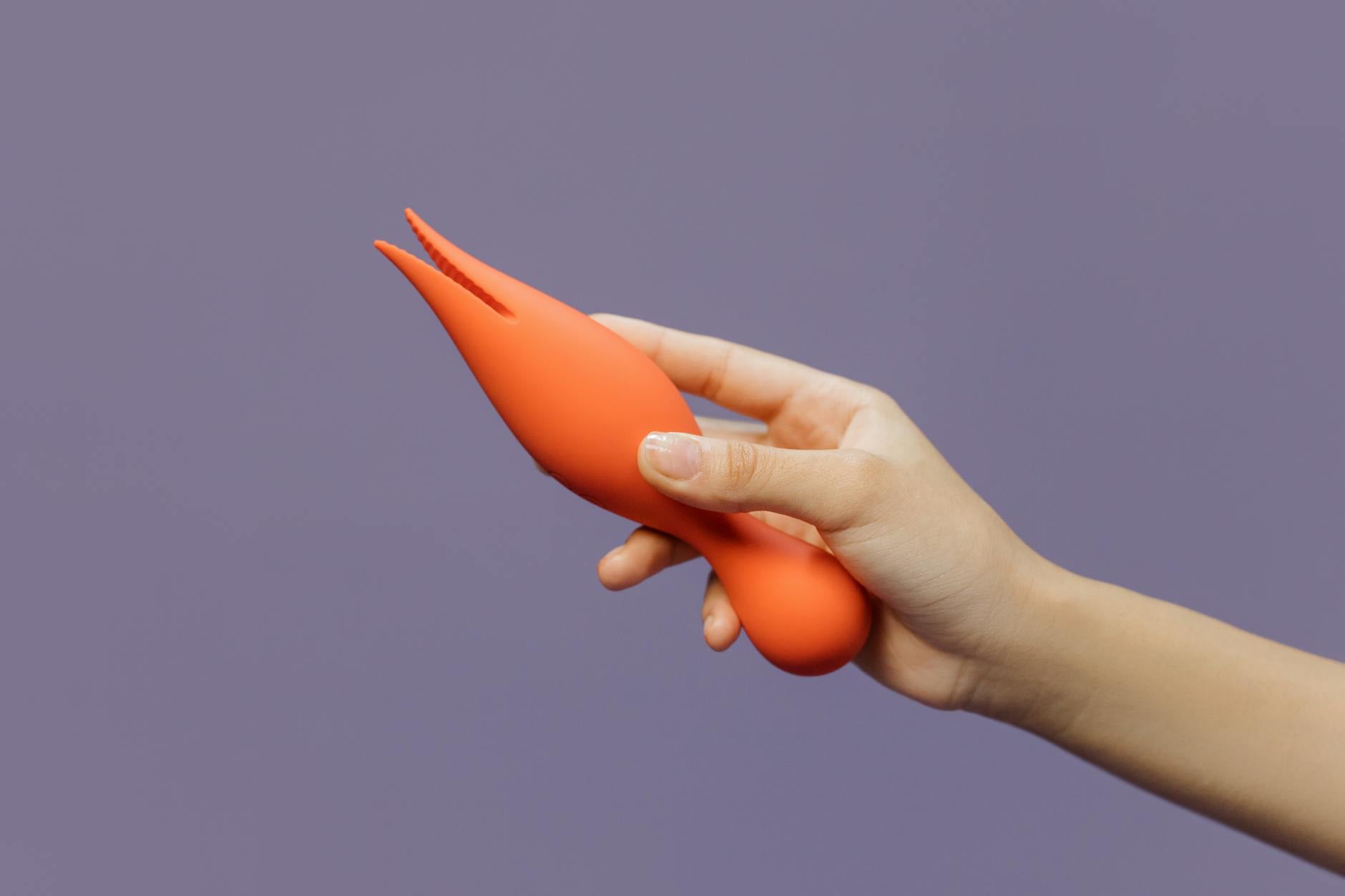
How to Use a Lemon Vibrator to Rebuild Intimacy After Infidelity
Let's be real. Infidelity doesn't just break trust. It fractures the body's sense of safety during sex. Your nervous system learned that vulnerability in the bedroom leads to pain. Rebuilding physical intimacy after betrayal is possible, but it requires different tools than the ones that got you here.
A lemon vibrator isn't going to fix the relationship. But it can create a specific kind of safety: a tool that's separate from either partner, requires explicit consent at every step, and puts pleasure back under your control. That matters more than most people realize.
Why physical intimacy breaks down after infidelity
Infidelity triggers what therapists call a "betrayal trauma response." Your body doesn't just process the emotional hurt. It associates the bedroom, touch, and vulnerability with danger. That's not dramatic. That's your nervous system protecting you.
What happens next is predictable. When a couple tries to resume sex too quickly, the person who was betrayed experiences involuntary physical responses: tension, numbness, dissociation, or aversion. Neither partner knows why the body shut down. The betraying partner thinks they're being punished. The betrayed partner feels trapped between healing and feeling nothing. Both are right.
This is where most couples get stuck. They think the conversation about what happened should automatically unlock the body. It doesn't work that way. Emotional forgiveness and physical safety travel different timelines.
The role of consent and control in healing
Here's what I tell couples in this position. Infidelity took something from the betrayed partner: control. They didn't get to choose what happened to their body or their relationship. Rebuilding physical intimacy has to start by restoring that agency.
A lemon vibrator, because it's external and partner-independent, creates a specific framework for that. It allows the person who was hurt to explore pleasure on their own terms. They control the intensity. They decide when to stop. They choose whether a partner is present or not. That's not a small thing.
For the partner who caused the harm, respecting these boundaries becomes the primary demonstration of change. It's no longer about proving you're "still attracted" or "still good in bed." It's about proving you can respect a no without negotiating. That's the actual work.
Starting with solo play: why this matters
Before anything happens between you, one of you needs to reconnect with pleasure independently. I usually recommend the person who was betrayed starts first. They need to prove to themselves that their body still responds to stimulation, that arousal is still possible, and that they can have pleasure separate from the relationship.
This isn't punishment. This is research. You're gathering evidence that your nervous system can heal.
Set a time when you're alone, well-rested, and have at least 30 minutes without interruption. Lower expectations dramatically. You're not trying to orgasm. You're trying to notice sensation without judgment. A lemon clitoral vibrator works well here because the suction sensation is fundamentally different from penetration. It sends a different signal to your nervous system: this is new, this is separate, this is safe.
Start at the lowest setting. The goal is curiosity, not climax.
Timing the first partnered session
Don't jump to penetration or mutual masturbation. That's skipping five steps.
Your first partnered session should involve the lemon vibrator, clothes on, no expectation of intercourse. Sit next to each other. One person holds the vibrator while the other person controls it: speed, position, whether to touch at all. That reverses the power dynamic instantly.
This doesn't have to be sexual. Some couples do this while watching TV or talking. The point is proximity plus control plus novelty equals a new nervous system blueprint.
If this goes fine, the next session might include the partner using it while you guide their hand. Then skin. Then gradually more. But "gradually" here means weeks, not nights.
Communication patterns that actually help
Here's what doesn't work: "Let me know if you want me to stop." That puts the onus on the betrayed partner to interrupt pleasure to enforce boundaries. The nervous system doesn't trust that. It's still waiting to be hurt.
What works: "I'm going to touch you here for the next two minutes. After that, we'll check in. You decide what happens next." This is called "bounded vulnerability." You agree to a specific, time-limited experience, then you both choose to continue or pause.
With a lemon vibrator, the conversation might sound like: "I want to use this with you. We'll start on the lowest setting for five minutes. You have full control over stopping, and we'll check in after. Does that feel okay?"
Notice what's missing: pressure, assumptions, negotiation. The betrayed partner gets to say yes or no without defending their answer.
When you're using the vibrator together
The lemon vibrator's suction design is helpful here because it requires intentional placement. Unlike a wand, which you can press against skin and leave, suction requires presence from both partners. The person holding it has to pay attention. The person receiving it is directing where pressure goes. That creates a dialogue between your bodies.
For the first few sessions, keep the intensities low. The goal isn't orgasm. It's familiarity. You're teaching your nervous system that this touch is safe, that it can be stopped at any moment, and that both of you are paying attention to how the other person is responding.
If you notice tension, numbness, or dissociation, pause. Check in. Don't interpret this as failure. This is your nervous system telling you it needs more time. That's information, not a problem.
What happens when you're ready for more
As trust rebuilds, you might transition to using a lemon vibrator during partnered sex. This looks different than before infidelity for a reason. The vibrator isn't a substitute for what was broken. It's a new thing you're building together.
Some couples use it during foreplay. Some during intercourse. Some just as a way to reconnect without intercourse. There's no "right" way. The only requirement is that you both want it and that either person can pause without explaining.
Remember that sensations feel different when a partner is present. Arousal might take longer. Orgasms might feel different. Anxiety might spike unexpectedly. All of this is normal. The body is learning that this person is safe again. That's a process, not an on-off switch.
The role of the betraying partner in this process
If you're the one who caused the infidelity, your job is to stop centering your own pleasure. That doesn't mean you don't get pleasure. It means pleasure comes after you've rebuilt safety.
Your role with the lemon vibrator is witness and support. You're learning to be present without being in control. You're learning to enjoy your partner's pleasure without making it about yourself. You're learning to respect a no that has no explanation.
If the betrayed partner wants to use the vibrator solo, you don't get to be present. If they want to use it with you, you follow their lead. If they want to use it and then have sex, you're grateful. If they want to use it and stop there, you're equally grateful.
This is what trust looks like when you're rebuilding it. It's not transactional. It's not conditional. It's just quiet presence and respect.
Expecting setbacks and managing them
Healing isn't linear. You might have a good week and then a trauma anniversary hits and suddenly you're both in your nervous systems again. This is so common it's not actually a setback. It's part of the process.
When this happens, go back to the basics. Go back to lower intensities. Go back to solo exploration. Go back to communication without expectation. Don't interpret the setback as permanent. It's usually just your nervous system being reminded that the hurt happened.
Many couples find that the specific "check-in before we touch" ritual actually becomes soothing over time. It's not necessary forever, but while you're healing, it's the frame that keeps both of you safe.
What professional support looks like alongside this
A lemon vibrator is a tool. It's not therapy. You both benefit from working with a couples therapist who specializes in infidelity and trauma. They can help you move beyond the vibrator into genuine emotional intimacy and trust.
The vibrator helps you rebuild the physical layer. The therapist helps you understand why the infidelity happened, how to rebuild trust in the relationship, and whether you both actually want to stay. Those are separate conversations, and they both matter.
FAQ
Can using a vibrator together actually help rebuild trust after infidelity?
Not on its own. But a lemon vibrator creates a framework where consent and control are explicit. It teaches both partners to communicate before touch happens and to respect a no without negotiation. That builds trust in the body first, which can eventually extend to emotional trust. It's a starting point, not a destination.
How long after infidelity should we wait before using toys together?
There's no universal timeline. You need emotional conversations first. You need some level of commitment to rebuilding the relationship. You need the betrayed partner to feel some willingness to reconnect physically. For most couples, that's weeks to months of therapy or conversation, not days. If either of you isn't ready, waiting is the right call. Forcing this process makes everything worse.
What if the person who was betrayed doesn't want a vibrator involved at all?
Then it's not the right tool for you. Some people want to rebuild intimacy through touch alone. Some want conversation and eye contact. Some need other things entirely. The lemon vibrator is one option, not the requirement. If it doesn't feel right, honor that.
Is using a vibrator letting the unfaithful partner off the hook too easily?
No, and this is an important distinction. Using a vibrator together isn't about fun or excitement. It's about rebuilding a nervous system that learned it wasn't safe. If that feels like "letting them off the hook," the real issue is that they haven't actually earned back trust yet. That's a conversation to have with a therapist, not with a toy.
How do we know when we're ready to move beyond using a vibrator and reconnect without it?
There's no graduation. Some couples use a lemon vibrator before sex indefinitely and that's fine. Others transition away naturally. The sign that you're moving forward is when both people feel safe without it and choose to stop using it, not when one person thinks you "should" be over it by now. There's no timeline for healing.
What if the vibrator reminds us of the infidelity or makes things worse?
Stop using it. Find a different tool or no tool at all. Some people do better with oils, different positions, different rooms, or just different conversation frameworks. The lemon vibrator works for some couples in this situation. It doesn't work for everyone. What matters is that you're both communicating about what helps and what doesn't.
Rebuilding intimacy after infidelity is possible. It's slow. It's uncomfortable. It requires both partners to show up differently than before. But thousands of couples have done it, and their relationships are often stronger on the other side because they had to learn how to communicate and respect each other in ways they never did before.
A lemon clitoral vibrator can be part of that process. It's not the part that fixes the relationship. That part is in the conversations, the therapy, and the daily choice to keep showing up. But it can be the part that helps your nervous system learn safety again. And that matters.