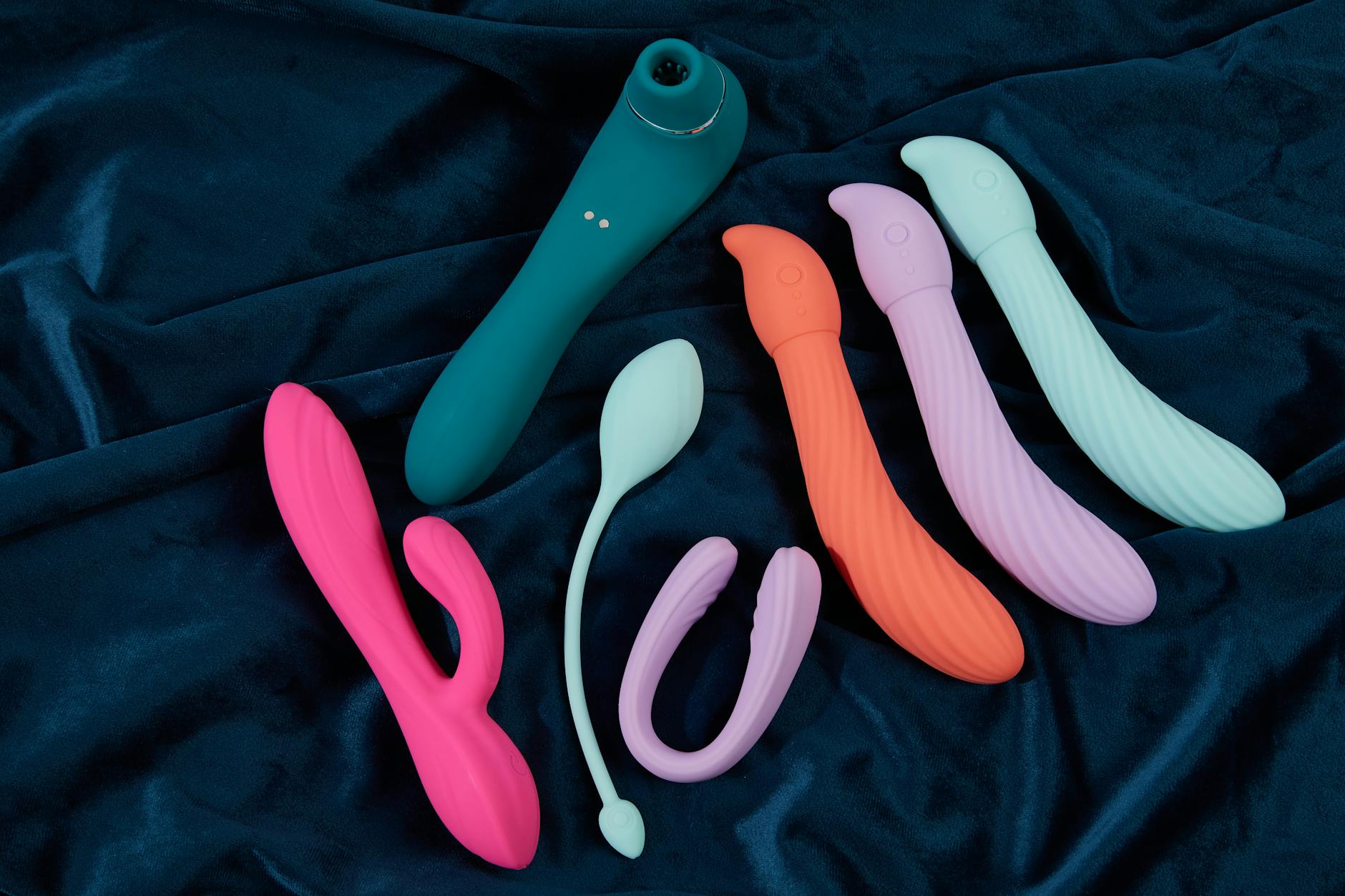
Lemon Vibrator for Pelvic Floor Health, Strength, and Recovery
Let's be real: nobody talks about their pelvic floor until something goes wrong. But the muscles that span from your pubic bone to your tailbone do a lot more than you probably think. They support your bladder, help create sensation during sex, and play a starring role in orgasm intensity. Weakness or tension in that region affects pleasure, continence, and confidence in ways that ripple through your whole intimate life.
Here's what most people don't know: a lemon vibrator isn't just a pleasure device. It's a recovery tool. The way these clitoral vibrators work—with suction and gentle pulse rather than aggressive vibration—makes them exceptionally useful for pelvic floor rehab, whether you're bouncing back from pregnancy, managing chronic tension, or rebuilding sensation after injury.
I've worked with many clients rebuilding intimacy after pelvic floor damage or dysfunction, and the ones who integrate intentional toy use into their recovery often see faster progress and deeper reconnection with their bodies. This is the bridge between medical rehabilitation and actual pleasure.
Why your pelvic floor matters more than you think
Your pelvic floor is a hammock of muscle that supports your pelvic organs and plays a central role in both continence and sexual sensation. When it's weak, you might experience light leakage during exercise, reduced sensation during sex, or difficulty achieving orgasm. When it's too tight (yes, this happens), you get pain, tension, and paradoxically, reduced pleasure.
Postpartum recovery, pelvic floor physical therapy, aging, and even desk work can all affect this region. The problem: most pelvic floor rehab feels clinical and removed from actual pleasure. Kegels are useful but boring. They don't reconnect you with sensation or help your brain sync with your body during intimacy.
This is where intentional toy use changes the equation. A lemon vibrator provides consistent, controllable stimulation that helps you identify where tension lives, practice engaging and releasing, and—critically—rebuild the neural pathways between sensation and pleasure.
How suction-based stimulation supports pelvic floor recovery
Traditional vibrators create sensation through rapid mechanical vibration. A lemon clitoral vibrator works differently: it uses suction to stimulate the clitoral complex without direct friction. This matters enormously for pelvic floor work.
With suction stimulation, the external clitoris draws gently inward, creating a chain reaction through the deeper clitoral body (which extends internally far past what you can see). This activates the pelvic floor muscles in a more integrated way than direct vibration alone. You're not just stimulating the surface. You're engaging the entire anatomical structure.
For someone recovering from pelvic floor dysfunction, this integrated engagement helps rebuild proprioception—your body's sense of where it is in space. A lemon vibrator lets you practice feeling tension, consciously relaxing it, and then gently engaging the muscles in response to pleasure. That feedback loop is essential for recovery.
Building a recovery practice with your lemon vibrator
If you're working with a pelvic floor physical therapist (which I recommend before starting any self-directed practice), a lemon clitoral vibrator can complement your clinical care beautifully. Here's how.
Start with awareness, not intensity. Spend 5 to 10 minutes on pattern 1 or 2 (the lowest settings) just noticing where you feel sensation. Does it concentrate at the surface or deeper? Does one side of your pelvic floor engage more than the other? Are you holding tension in your thighs or lower belly? This mapping work is foundational.
Practice the release cycle. On a low pattern, let yourself feel arousal building. Then deliberately relax your pelvic floor—let it soften completely. Hold that release for 5 to 10 seconds. Then, gently re-engage the muscles as sensation returns. This on-off cycle teaches your pelvic floor how to flex and release efficiently, which is the whole point of rehabilitation.
Add breathing. Pelvic floor tension often pairs with breath-holding. As you use your lemon vibrator, keep your breathing deep and even. Breathe in as you relax the pelvic floor. Breathe out as you gently engage. This neural coupling between breath and pelvic floor control is powerful.
Progress gradually. Increase intensity only when lower patterns feel easy and controlled. You're not chasing orgasm here—you're building strength and coordination. Many people find that their most satisfying orgasms come later, once the foundational work is solid.
Pelvic floor tension and how a lemon vibrator helps release it
Here's a pattern I see often in my practice: someone has pelvic floor pain, gets told they need to "relax," tries Kegels anyway, and ends up with even more tension. The pelvic floor is a muscle group, and like any muscle, it can become chronically tight.
If your pelvic floor is overactive (hypertonic), aggressive strengthening actually makes things worse. What you need instead is mindful release. A lemon vibrator on a low pattern creates gentle, sustained stimulation that helps tight muscles soften. The suction effect pulls attention inward without the jarring intensity of vibration.
Use it as a relaxation tool: 10 to 15 minutes on pattern 1, focusing on breathing deeply and imagining your pelvic floor as a flower slowly opening. This sounds soft, but it's neurologically profound. You're retraining the muscle memory of your pelvic floor from chronic tension to active rest.
Combine this with actual pelvic floor physical therapy, and the results come faster.
Recovery timelines and realistic expectations
Pelvic floor rehabilitation isn't a quick fix. Postpartum recovery typically takes 6 to 12 weeks of consistent practice to see noticeable improvement in sensation and function. Chronic tension or pain might take longer.
The advantage of integrating a lemon vibrator into your practice is that you're not just doing prescribed exercises. You're rewiring the association between pelvic floor engagement and pleasure. This dual reinforcement actually accelerates recovery because you're giving your nervous system multiple reasons to pay attention to the region.
Start with 3 to 4 sessions per week, 10 to 20 minutes each, depending on your baseline pelvic floor health. If you're post-surgery or in active physical therapy, check with your provider before starting. Once you're cleared, consistency matters far more than duration.
Partnered recovery and reconnection
Pelvic floor issues often affect partnered intimacy. Weakness might mean less sensation during partnered sex. Tension might make penetration uncomfortable. Both reduce desire and connection.
Using a lemon vibrator as part of your recovery isn't just clinical—it's an invitation to reconnect with your own body first, which makes partnered intimacy safer and more pleasurable when you're ready. Some couples find it helpful to integrate the device into partnered play once individual recovery is underway, which deepens both pleasure and communication around what feels good.
When to seek professional guidance
If you're experiencing pelvic pain, urinary or fecal incontinence, or pain during sex, see a pelvic floor physical therapist before starting any home practice. They'll assess whether your pelvic floor is weak or overactive (the treatment approach differs), and rule out other issues.
A lemon vibrator is a great complement to professional care, not a replacement. The suction-based stimulation in these clitoral vibrators pairs beautifully with pelvic floor physical therapy because it engages the muscles in a way that mimics pleasure-based activity—which is exactly what helps the nervous system rewire toward health.
Your pelvic floor health directly affects your capacity for pleasure, your confidence, and your connection with partners. Rebuilding it isn't medical busywork. It's an investment in decades of better sensation and intimacy ahead.
People also ask
Can you use a lemon vibrator right after childbirth?
Not immediately. Most providers recommend waiting 6 to 8 weeks postpartum before any internal stimulation or penetration, and longer if you had tearing or a surgical delivery. Once you're cleared by your OB or midwife, using a lemon clitoral vibrator on external sensation can be a gentle way to reconnect with pleasure as your pelvic floor begins to heal. Start with very low patterns and pay attention to discomfort—recovery pacing varies widely.
Does using a lemon vibrator actually strengthen the pelvic floor?
Indirectly, yes. The suction-based stimulation from a lemon clitoral vibrator activates pelvic floor muscles as part of arousal and orgasm, which does involve strengthening. However, for focused pelvic floor strength, you still need dedicated Kegel practice or pelvic floor physical therapy. Think of the vibrator as supporting overall function and sensation rather than replacing targeted exercises.
How is a lemon vibrator different from Kegel exercises?
Kegels are targeted muscle contractions you do consciously, often in isolation. A lemon vibrator stimulates the entire pelvic floor anatomy in an integrated way while creating pleasure, which recruits more neural pathways. They're complementary. Kegels build isolated strength. A lemon vibrator helps you feel that strength and associate it with pleasure.
Is pelvic floor tension the same as weakness?
No, and this distinction matters. Weakness means the muscles don't have enough tone or strength. Tension means they're chronically tight and can't fully relax. Some people have both in different regions. The treatments are opposite: weakness needs strengthening, tension needs release. A pelvic floor physical therapist can assess which you have.
Can a lemon vibrator help with incontinence?
Potentially, but only if incontinence stems from pelvic floor weakness (stress incontinence, usually triggered by exercise or coughing). Using a lemon vibrator as part of a broader pelvic floor strengthening practice can help, but you need professional assessment first. Some incontinence has other causes that a vibrator won't address.
How do I know if my pelvic floor recovery is working?
Progress shows up as increased sensation during sex, better control over urinary flow, reduced pain during penetration, and stronger orgasms. Most people notice changes within 4 to 8 weeks of consistent practice. Keep a simple log: note sensation, comfort level, and how your body feels. Small improvements accumulate.
The bridge between rehabilitation and pleasure
Your pelvic floor health matters. It affects pleasure, confidence, continence, and how you feel in your body. Most rehab focuses on the clinical side. But pleasure and sensation are part of healing too.
A lemon vibrator isn't replacing your physical therapist. It's the tool that lets you practice recovery while actually enjoying your body. That dual reinforcement—clinical progress plus pleasure—is where real, lasting change happens. Start gently, stay consistent, and be patient with your body. The investment pays off for years.
Have questions about pelvic floor recovery or how to integrate intentional pleasure into your healing? Reach out. We're here to help.