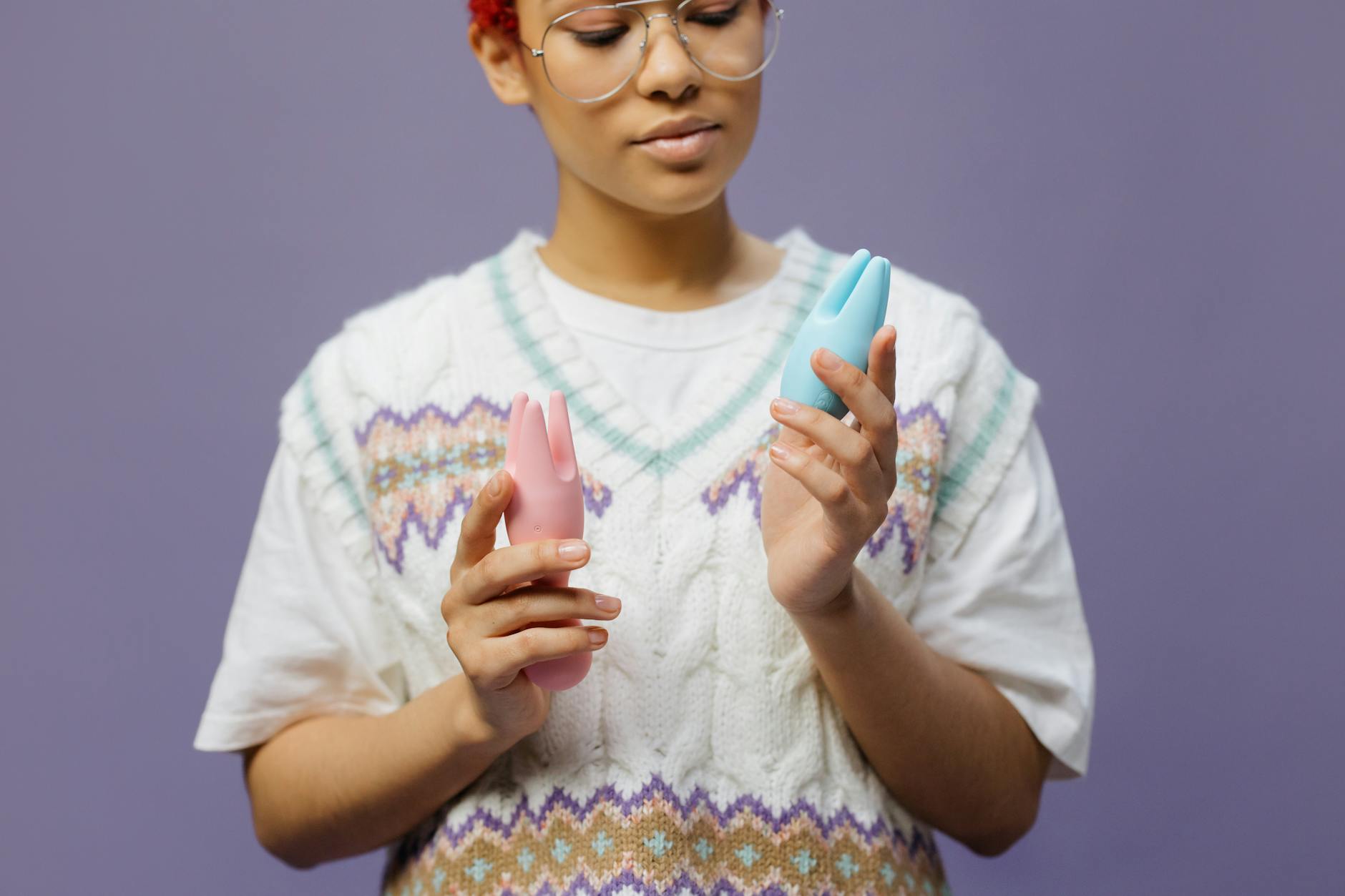
Let's talk about why lemon vibrators aren't just another clitoral toy
Honestly though, the first time someone experiences a lemon vibrator, they often say the same thing: "It feels nothing like my wand." That's not a complaint. That's usually relief. And there's actual science behind why air-pulse lemon clitoral vibrators create a fundamentally different sensation than traditional vibration devices.
The difference isn't subtle. It's neurological.
How vibration actually stimulates tissue
Traditional wand vibrators work through direct mechanical vibration. The device oscillates at a set frequency (usually 50 to 150 Hz), creating rapid back-and-forth movement against your skin. That movement travels through the tissue in waves, eventually reaching the nerves underneath.
It's efficient. It works. But there's a catch.
After about 10 to 15 minutes of constant direct vibration at the same frequency, your nerve endings start to adapt. Sensation dampens. You need more intensity or more time to reach climax. This is called sensory habituation, and it happens to almost everyone. Your nervous system literally tunes out the signal.
Why suction feels completely different
A lemon vibrator works on a different principle. Instead of vibrating the tissue, it creates gentle pulses of suction and release around the clitoris. This doesn't vibrate the clitoris itself. Instead, it creates a gentle vacuum that stimulates the nerves through a pattern of pressure changes.
Here's where it gets interesting. Your body doesn't habituate to pressure changes the same way it habituates to vibration. The pulsing sensation keeps your nervous system engaged because the stimulus is rhythmic but not monotonous. Each pulse is a distinct event, not a constant tremor.
The effect is often described as a "building" sensation rather than direct stimulation. You're not getting overstimulated. You're getting a layered, rolling sensation that many people find easier to orgasm from on the first try.
The clitoris has two different nerve pathways
Your clitoris is far more complex than it appears. The visible part (the glans) houses roughly 8,000 nerve endings. But the clitoris has internal structures too. Lemon vibrators and traditional wands activate these pathways in different ways.
Direct vibration mostly stimulates surface nerves and the exposed glans. It's concentrated, intense, and fast-acting for people whose bodies respond to that kind of input.
Air-pulse suction stimulates both the surface and the deeper nerve structures. Many people describe this as a fuller, more internal sensation. It feels less like friction and more like a rhythmic squeeze. That difference matters because your nervous system processes the two experiences in different brain regions.
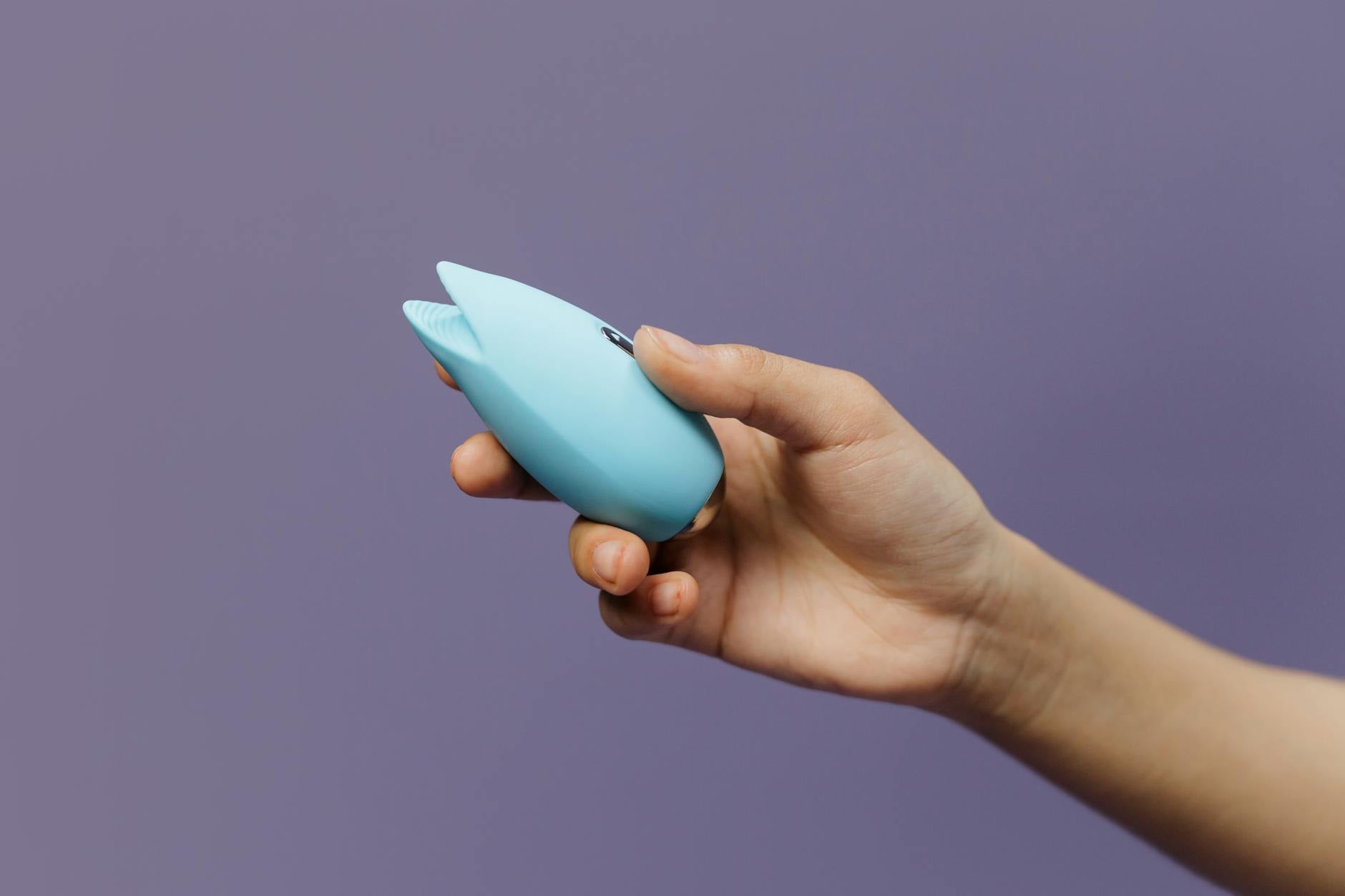
Photo by cottonbro studio on Pexels
Why this matters for different body types
Sensitivity and tissue thickness vary wildly. Some people have tissue that responds beautifully to intense vibration. Others find it overwhelming or even painful after a few minutes.
Lemon clitoral vibrators tend to work better for:
- People with more sensitive tissue who find traditional wands too intense
- Anyone experiencing reduced sensitivity (hormonal changes, age, medication side effects)
- People who find themselves needing increasingly higher vibration settings to feel anything
- Those who want to extend pleasure sessions without numbing
Traditional vibrators often work better for:
- People who prefer directness and intensity
- Anyone who needs concentrated stimulation to reach climax
- Those who like feeling obvious, straightforward sensation
Neither is objectively better. Your body has a preference, and usually you know what it is within the first 60 seconds of trying something.
The warmup time factor
Here's something people don't usually talk about. Lemon vibrators often work better with a longer warmup because the sensation builds gradually. You're not hitting your clitoris with immediate intensity. You're creating a rhythm that invites arousal rather than demanding it.
This makes lemon clitoral vibrators particularly useful if you:
- Take longer to warm up
- Find yourself distracted easily (the building rhythm keeps you in it)
- Get numbed out by constant high-intensity stimulation
- Want to extend the experience rather than rush to finish
With a traditional wand, you often go from zero to full intensity in seconds. With a lemon vibrator, you're riding a wave. Your body has time to meet it halfway.
Pattern variation changes everything
Most lemon vibrators come with multiple pattern modes. That's not just marketing. Those patterns literally change which nerve pathways fire in your brain.
A steady pulse works differently than a wave pattern, which works differently than a rapid flutter. You can change sensations without changing devices. With a traditional vibrator, you're usually just increasing or decreasing intensity. The actual sensation stays the same.
This is why people often say lemon clitoral vibrators feel less monotonous. Your brain isn't adapting to one stimulus. It's experiencing variation within a single session.
When you might prefer traditional vibration
Let's be honest. Some bodies and brains prefer the intensity and directness of a traditional wand. If you've been having great experiences with vibration, there's zero reason to switch.
But if you've noticed that you're needing higher intensities, or that sessions feel repetitive, or that you're getting numbed out faster, that's a sign that your nervous system might respond better to a different stimulus type.
The best approach is trying both and noticing what your body actually tells you, not what you think you should like.
How to transition if you're considering lemon vibrators
If you want to explore the difference, start with patience. Lemon vibrators often need a 10 to 15 minute warmup to really shine. That's not a drawback. That's how your body learns the rhythm.
Start on the lowest pattern setting. Let the sensation build. Notice how different it feels from your usual device. Most people find the actual sensation surprising within the first minute, and often in a good way.
You don't have to choose. Many people use both devices. A lemon vibrator for leisurely sessions. A traditional vibrator for when you want speed and intensity. Your pleasure isn't limited to one approach.
FAQ
Are lemon vibrators less powerful than traditional wands?
Not less powerful in the way people usually mean. Air-pulse lemon clitoral vibrators work through suction intensity and pattern rhythm rather than vibration frequency. Some people find them more stimulating because they activate different nerve pathways. Power isn't about raw vibration speed. It's about what your body responds to.
Can I use a lemon vibrator if I've only ever tried wands?
Absolutely. In fact, many people who switch from wands to lemon vibrators say the experience is easier and more pleasurable. The different sensation type often prevents the numbing that happens with traditional vibrators. Give yourself time to warm up and try a few pattern settings to find your preference.
Do lemon vibrators work better for people with less sensation?
Often yes. Because the suction-based stimulation activates deeper nerve structures and doesn't cause habituation the same way vibration does, people with reduced sensitivity frequently find lemon clitoral vibrators more effective. This includes people going through menopause, taking medications that affect sensation, or who have naturally lower sensitivity. You might find that the lem vibrator works where traditional devices weren't delivering.
Why do some lemon vibrators have multiple patterns if suction is the main thing?
Patterns change which specific nerve fibers fire and in what sequence. A steady pulse feels different from a wave or flutter pattern because your brain processes each rhythm differently. Varying patterns also prevents habituation better than a single static rhythm. You're keeping your nervous system engaged rather than letting it tune out.
Can I use lemon vibrators with a partner?
Yes. Many couples find that the building sensation of a lemon vibrator creates different pleasure dynamics than traditional wands. Check out our guide on best lemon vibrator for couples for specific tips on partnered play.
Should I get rid of my wand and switch completely to a lemon vibrator?
Not necessarily. Most people benefit from having options. Your body's preferences can shift depending on mood, time of day, hormones, or what you're in the mood for. Some days intensity and directness feel right. Other days, the building rhythm of suction feels better. You're not limited to one device or one sensation type. Explore and keep what works.
The bottom line
Lemon vibrators don't feel like traditional wands because they work on fundamentally different principles. Suction-based stimulation activates different nerve pathways, prevents sensory habituation faster, and creates a building sensation rather than immediate intensity.
None of this makes them "better." It makes them different. And for a lot of people, different is exactly what their body has been waiting for. If you're curious, try one. Pay attention to what sensation actually feels good to you, not what you think should feel good. Your nervous system knows the answer.
Want to talk through which device might work best for your specific situation? Get in touch. We're here to help you find what actually works for your body.