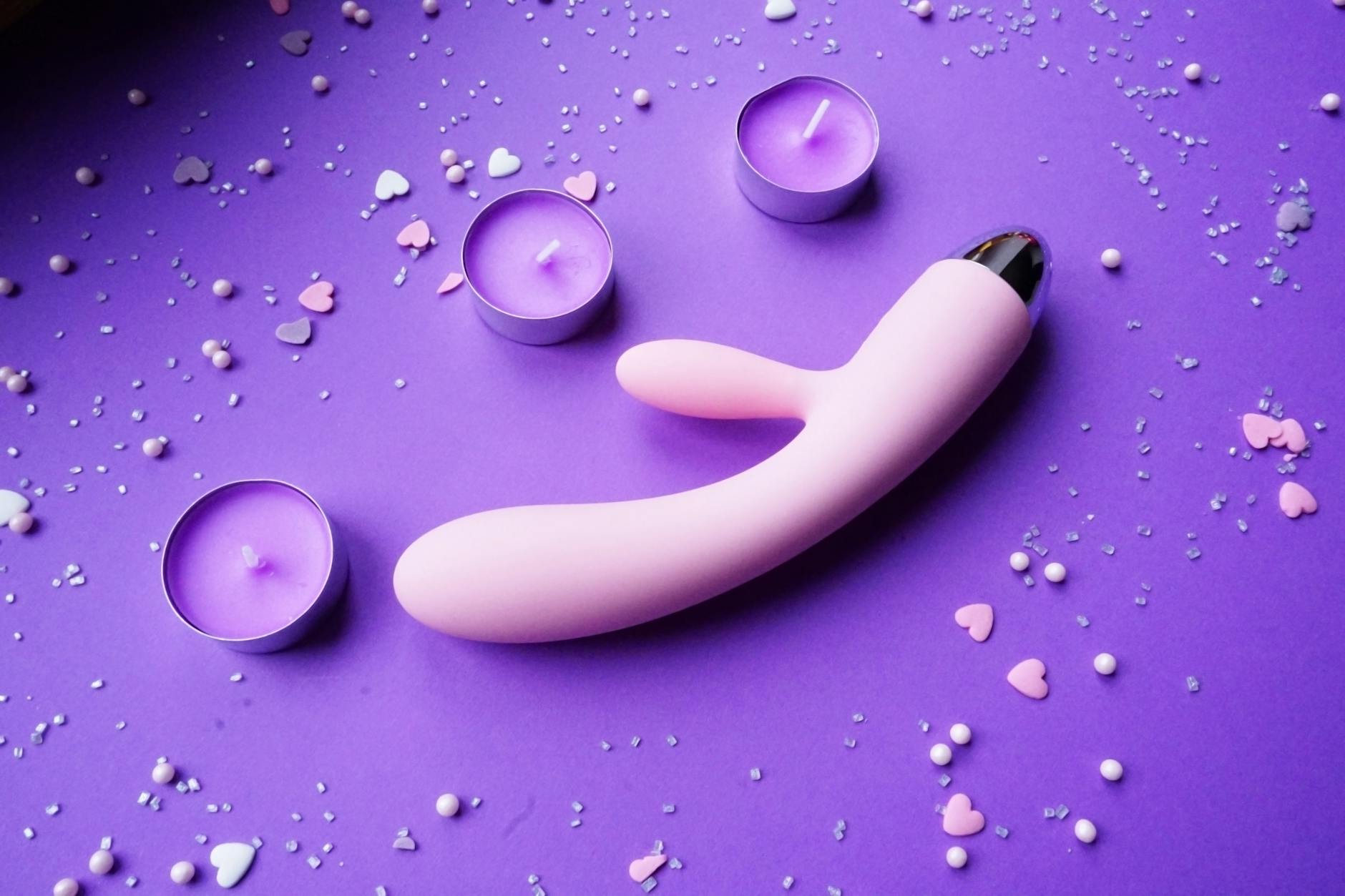
Why Lemon Vibrators Work Better for Sensitive Vulvas and Thinner Tissue
Let's be real. If you have sensitive tissue, thin vulvar skin, or a history of pain during sex, most vibrators feel like someone's trying to sand your most delicate parts. Traditional wands and bullets work by friction and direct pressure. That's exactly the problem.
That's where lemon vibrators change everything. The suction-based design of the lem vibrator and other clitoral vibrators in the Hello Nancy collection uses gentle air-pulse technology instead of traditional vibration. This approach is fundamentally different. It's not just softer. It's biomechanically better for anyone whose tissue needs extra care.
I'm going to walk you through the physiology, which bodies benefit most, and why this matters for long-term pleasure.
How vulvar tissue sensitivity works
Here's what most people don't understand: vulvar skin is not all the same. The outer labia (labia majora) is thicker, more keratinized, and can handle more aggressive stimulation. The clitoral glans and inner labia (labia minora) is substantially thinner. It has a higher concentration of nerve endings per square millimeter and almost no protective keratin layer.
Add hormonal fluctuations (whether from menstrual cycles, medications, or aging), and that tissue gets even thinner. Estrogen keeps tissue plump and elastic. Without it, the epithelium (the outer layer of skin) becomes more fragile and prone to micro-abrasions that you don't even feel in the moment but register as pain or rawness later.
Traditional vibrators rely on oscillation. The motors move side to side or up and down at high frequency (usually 80-200 Hz). This creates friction. On sensitive tissue, friction accumulates trauma. Even gentle friction, repeated over time, can cause inflammation.
Why suction works differently
Suction-based stimulation, like what you get from a lemon clitoral vibrator, uses air-pulse technology to create a gentle vacuum against the tissue. This doesn't create friction. Instead, it stimulates the nerve endings through pressure and release cycles.
Think of it this way. A traditional vibrator is a jackhammer. A lemon vibrator is a massaging hand that opens and closes. One is percussive; the other is rhythmic and enveloping.
The suction approach also means you can apply stimulation at lower intensity settings without losing sensation. With wand vibrators, you often have to choose between "barely there" and "aggressive." Lemon adult toys give you a broader range of medium intensities, which is where most sensitive bodies thrive.
Photo by Vanessa Loring on Pexels
Which bodies benefit most from lemon vibrators
Not everyone needs a lem vibrator, but several groups find them especially helpful:
People with vulvodynia or vaginismus. Chronic pain conditions make traditional vibrators genuinely painful. The lack of friction in suction-based toys often means you can explore pleasure without triggering pain responses. I've worked with clients who could never tolerate any vibrator until they tried a lemon sexual toy.
Post-menopausal bodies. Estrogen drop thins tissue significantly. Vulvar atrophy is real, and it makes friction feel sharp. A lemon clitoral vibrator designed with sensitive tissue in mind provides stimulation without the sting.
People on medications that affect tissue hydration. Antihistamines, antidepressants, and hormonal birth control can all reduce natural lubrication and tissue thickness. Friction becomes problematic faster. Suction becomes the obvious answer.
Anyone with recent vulvar or vaginal trauma. Surgery, childbirth, injury, or infection leaves tissue tender. Gentle lemon sexual toys allow you to reconnect with pleasure during recovery without triggering pain.
High-sensitivity nervous systems. Some people's sensory neurons fire more readily. They experience sensation intensely, which sometimes manifests as pain rather than pleasure with aggressive stimulation. A lower-intensity lemon vibrator can deliver full-body pleasure without overwhelming the system.
The lubrication question
Here's something counterintuitive. Lemon vibrators actually work well with very little lubrication compared to wand vibrators. The suction design doesn't require the gliding friction that traditional vibrators need. This is helpful because forced lubrication, while necessary for wands, can sometimes feel excessive or uncomfortable for sensitive bodies.
That said, a small amount of water-based lubricant makes the experience smoother and helps seal the suction cup to the tissue. Think of it as enhancement, not requirement. On days when lubrication is minimal due to hormones or stress, a lemon clitoral vibrator still works beautifully because it's not relying on slickness to function.
Starting slow with sensitivity in mind
If you're new to lemon sexual toys and you have sensitive tissue, approach intensity like you're adjusting to cold water. Start at pattern 1 or 2 and spend a few sessions there before experimenting with higher settings.
Many people make the mistake of assuming "low intensity" means "less sensation." With suction vibrators, lower intensity often feels more concentrated and pleasurable on sensitive tissue. You're not losing sensation; you're redirecting it in a gentler way.
Also, warmth matters. Tissue responds differently when you're aroused and engorged versus when you're tense. Spend longer on arousal before introducing the vibrator. Blood flow to vulvar tissue makes it plumper and more resilient. Tension makes it contract and sensitive. This is true for everyone but especially for sensitive bodies.
When sensitivity signals something else
Not all vulvar pain during stimulation comes from tissue fragility. Sometimes it's tension. Sometimes it's nerve-related (vulvodynia is often neuropathic, not mechanical). Sometimes it's psychological.
If you're experiencing sharp pain, burning, or rawness that persists after using a lemon vibrator even at the lowest settings, see a pelvic health physical therapist or a gynecologist trained in sexual medicine. Pain is information. A good clinician can tell you whether you're working with tissue fragility that will respond to gentle tools, or whether you need pelvic floor relaxation work, topical treatments, or other interventions.
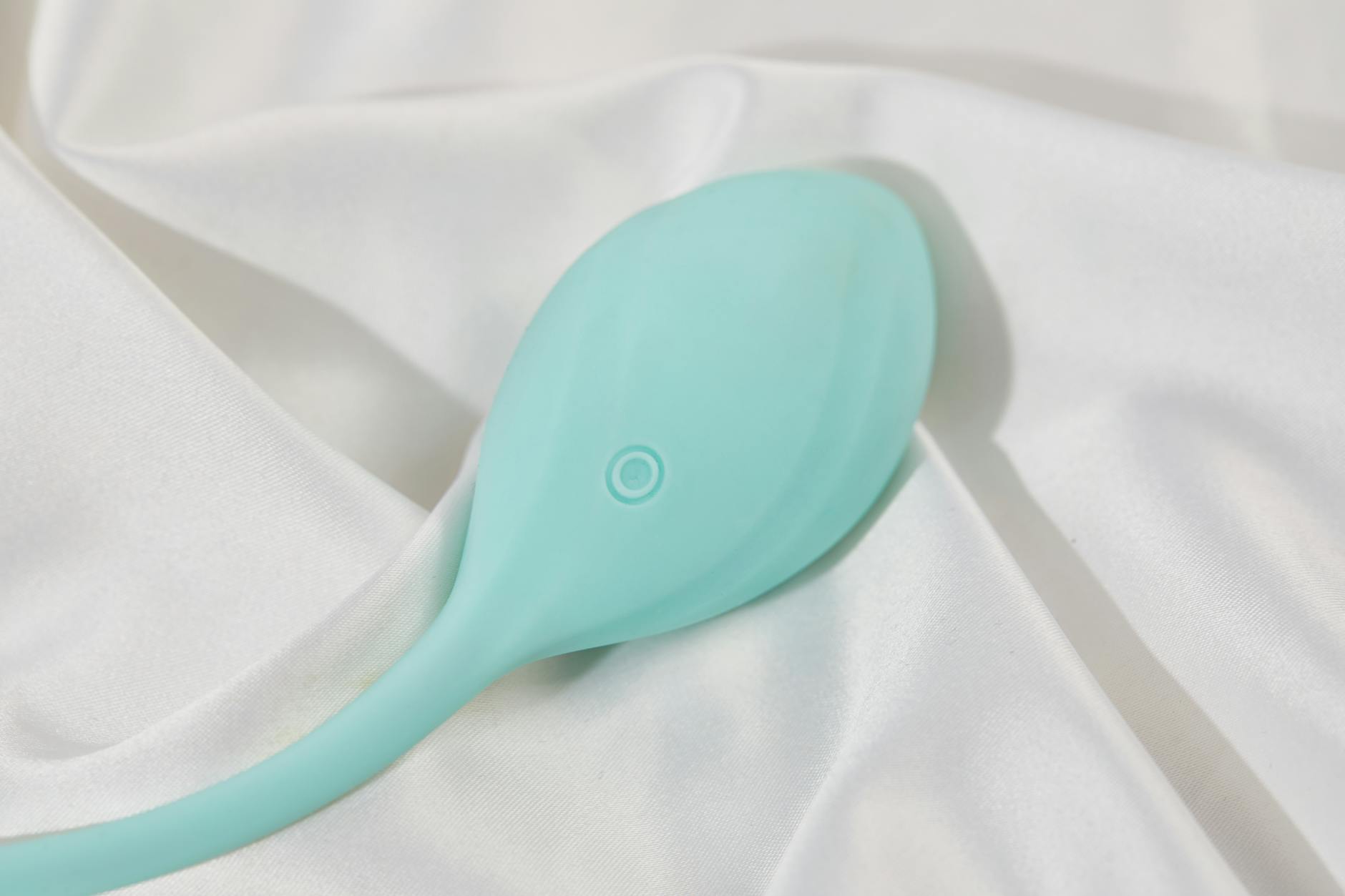
Photo by IFONNX Toys on Pexels
Comparing lemon vibrators to other gentle options
If you're looking for alternatives to traditional wands, you have a few paths. Some people recommend external stimulation by hand, which is absolutely valid but requires patience and arm stamina. Others explore tiny bullet vibrators, which can work but often still rely on friction and carry many of the same limitations as wands, just at smaller scale.
A lemon vibrator sits in a unique space. It's technology-assisted, which means your hand gets a break. It's suction-based, so it avoids friction. It's powerful enough to deliver real sensation without requiring you to cycle through "too soft" or "way too intense." For sensitive bodies specifically, this combination is hard to beat.
You might also pair a lemon clitoral vibrator with internal stimulation or partner touch. Suction vibrators are incredibly effective for solo play, but they also integrate beautifully into partnered pleasure. Many of my clients report that a lem vibrator actually helps their partners understand what they need because the sensation is so distinctive and pleasurable that feedback becomes obvious.
The long-term perspective
Sensitivity changes. You might have fragile tissue right now due to hormones, medication, or recovery. That might shift in six months or a year. The beauty of investing in a quality lemon sexual toy designed for sensitive bodies is that it meets you where you are now and adapts as you change.
Traditional vibrators often create a frustrating cycle. They're too intense on sensitive tissue, so you use them less, which sometimes increases tissue fragility through disuse and reduced blood flow. Then they feel even more intense. A lemon vibrator breaks that cycle because the gentle, effective stimulation actually encourages regular use, which keeps tissue healthy through improved circulation and neural engagement.
Your pleasure matters. Sensitivity isn't a limitation to work around. It's a characteristic that deserves tools designed specifically for it.
People also ask
Can a lemon vibrator help if I have vulvodynia?
Vulvodynia is a chronic pain condition affecting the vulva without a clear dermatological cause. For many people with vulvodynia, traditional vibrators are impossible to use because friction triggers pain. Suction-based stimulation like a lemon clitoral vibrator works differently enough that many of my clients with vulvodynia can explore it comfortably. That said, vulvodynia is complex and varies widely. What works for one person might not for another. Pairing a gentle lemon vibrator with support from a pelvic health physical therapist gives you the best chance at both pleasure and pain relief.
Is there a specific Hello Nancy product for very sensitive tissue?
The Lemon (lem vibrator) is designed with sensitivity in mind and is the most versatile tool for delicate tissue. It offers multiple intensity levels starting very gently, and the suction design minimizes friction. If you're extremely sensitive, starting at the lowest settings gives you a gradual introduction. Hello Nancy also offers guidance through the /contact page if you want to discuss which product matches your specific situation.
How does sensitivity change with hormones?
Estrogen controls tissue thickness, hydration, and blood flow to vulvar tissue. During the follicular phase of a menstrual cycle, estrogen is higher and tissue is plumper and more resilient. During the luteal phase, estrogen drops and tissue becomes thinner. This is one reason why sensitivity to vibration often fluctuates across your cycle. Menopause accelerates this shift. Birth control that suppresses ovulation can create consistently lower estrogen, leading to persistent tissue thinning. If you notice your sensitivity is worse on certain days or during certain life phases, that's completely normal physiology, not a sign that anything is wrong with you.
Can I still have intense orgasms with a gentle lemon vibrator?
Absolutely. Lower intensity doesn't mean lower pleasure. Many people with sensitive tissue report that a lemon clitoral vibrator delivers some of their most intense and satisfying orgasms because the stimulation feels pleasurable rather than painful, so they can actually relax into the sensation. Relaxation is the key to deeper orgasm. Pain and tension shut that down. By removing friction-based discomfort, a lemon vibrator often opens the door to stronger responses.
What's the difference between thin tissue and a tight pelvic floor?
These are two separate things. Thin tissue is about the epithelial layer itself being delicate and lacking thickness. A tight pelvic floor is about muscle tension and coordination. You can have both, one, or neither. A lemon sexual toy helps with thin tissue sensitivity because it avoids friction. For a tight pelvic floor, you might also need pelvic floor relaxation work (often the opposite of Kegels). A pelvic health PT can assess what you're actually working with and recommend a full plan.
How do I know if I should use lube with a lemon vibrator?
Listen to your body. If the sensation feels comfortable without it, skip it. The suction design doesn't demand it the way wand vibrators do. If you want to use it anyway for extra glide or because it feels better psychologically, a small amount of water-based lubricant works perfectly. Never use silicone-based lube with silicone toys. Check your Hello Nancy vibrator material first, then match your lubricant accordingly.
Moving forward
Sensitive tissue is not a flaw. It's a variation in human anatomy that deserves tools and approaches designed specifically for it. Lemon vibrators exist because someone realized that friction isn't the only path to pleasure. Suction is quieter, gentler, and for many bodies, far more effective.
If you're curious about whether a lemon clitoral vibrator might work for your body, start with the lowest setting and give yourself permission to explore slowly. Your nervous system knows what it needs. Sometimes it just needs the right tool to express it.
Ready to explore? Visit Hello Nancy to find the right option for you, and reach out through /contact if you have questions about which product matches your specific comfort needs.