Here's what no one tells you about tissue thickness
Your vulva tissue isn't fixed. It changes. Hormones shift it, age remodels it, medical conditions thin it, and friction can make it rawer faster than you'd expect. The problem is that most pleasure tools are designed for one thing: direct, repetitive stimulation. For some bodies, that's perfect. For others, it's uncomfortable at best and painful at worst.
That's where the mechanical difference between lemon vibrators and traditional vibrators becomes not just a preference, but a genuine game-changer.
The tissue reality that changes everything
Let's start with what's actually happening under the skin. The vulva is covered in epithelial tissue—essentially a protective barrier that's thinner than the skin on your forearm. During reproductive years, estrogen keeps that tissue plump and resilient. It can handle friction. It bounces back.
But estrogen isn't constant. It drops during menopause, certain medications, breastfeeding, and some hormonal conditions. When it does, the tissue thins. The blood vessels become less dense. The natural lubrication decreases. This isn't a problem you caused. It's not permanent. It's just anatomy responding to biochemistry.
Here's the part that matters for pleasure: thin tissue needs different input. Direct vibration—the kind that presses and oscillates against one spot—can feel intense quickly, and sometimes uncomfortable. It's like the difference between a massage on relaxed muscle versus tense muscle. Same pressure, completely different experience.

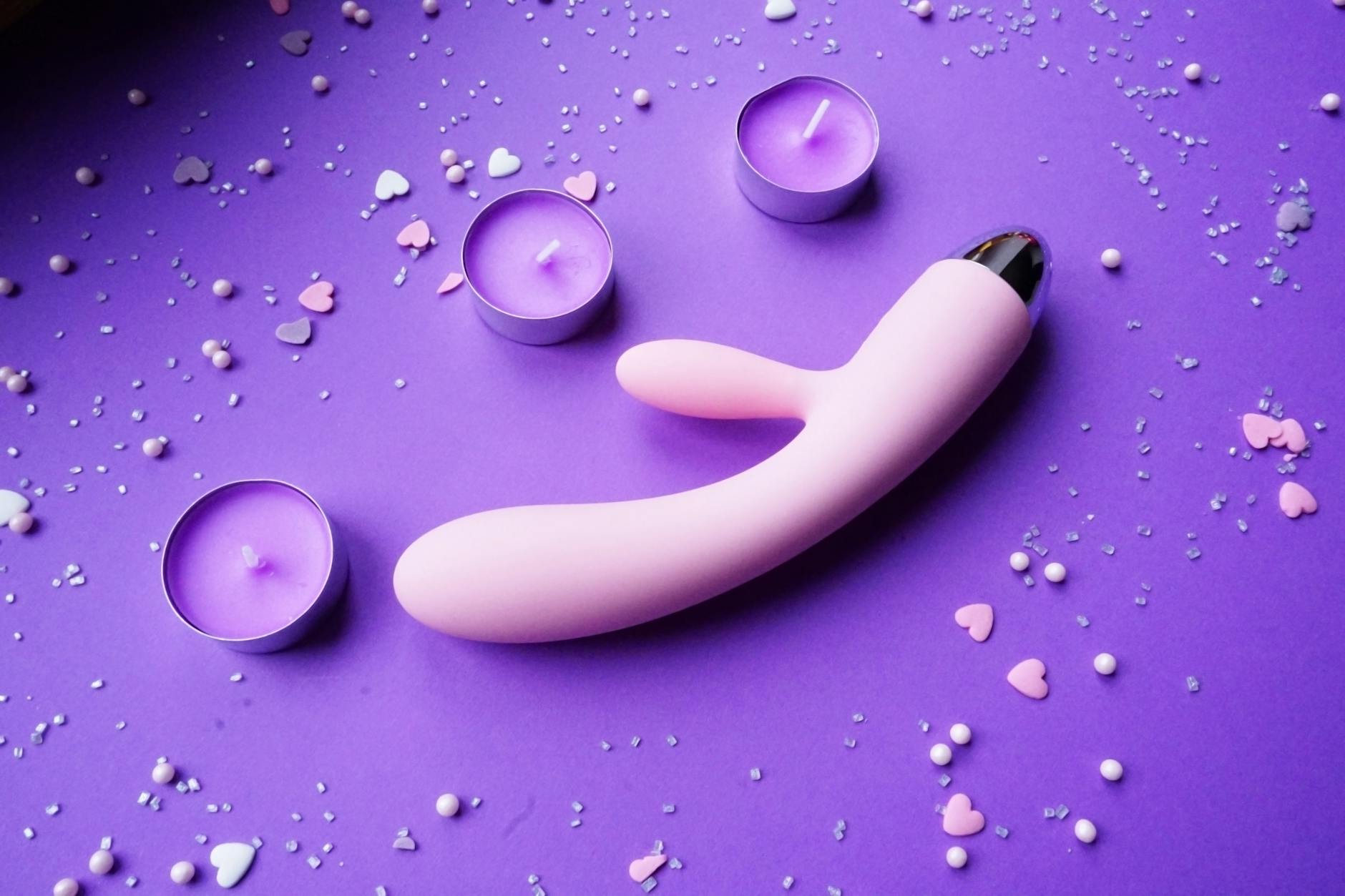
Photo by cottonbro studio on Pexels
Why suction changes the equation
A lemon clitoral vibrator works through suction, not friction. Think of it as a rhythm of gentle pressure and release, rather than a buzzing motion against the surface. That distinction is neurologically significant.
When you apply suction, you're stimulating deeper nerve structures—the clitoral bulbs and the erectile tissue surrounding them. You're not relying on surface friction alone. This means:
- Thinner tissue doesn't take the brunt of the stimulation. The sensation is distributed rather than concentrated.
- The gentle pulse mimics what fingers or a partner might do manually, which most bodies find more intuitive to respond to.
- Blood flow to the area increases differently. Suction draws blood gently, whereas vibration can sometimes create a numbing effect with thin tissue if used too long.
- You can adjust intensity gradually. Many lemon vibrators have multiple settings, so you can start subtle and build.
For someone with estrogen-sensitive tissue changes—whether from menopause, hormonal medications, or other causes—this often translates to more comfortable arousal and more reliable orgasms.
The sensation science behind it
Your clitoris has about 8,000 nerve endings. But they're not distributed evenly. Some respond best to pressure, others to vibration, still others to rhythmic stimulation. A traditional wand vibrator hits mostly the vibration receptors. Suction recruits a different constellation of nerve endings.
This is why people often say that lemon vibrators feel "different"—not better or worse, just genuinely distinct. If direct vibration has felt numb or overwhelming, suction often lands in a sweet spot.
For thin tissue specifically, this matters because the nerve density is still there. You haven't lost sensation. But the tissue's ability to tolerate sustained friction has changed. Suction bypasses that problem by changing what kind of stimulation is happening.
One more thing: with thin tissue, micro-tears can happen if friction is aggressive. Suction doesn't eliminate that risk entirely, but it significantly reduces it. The pressure is gentler, more diffuse, and less likely to create the kind of sustained rubbing that causes irritation.
Age-related changes and what actually helps
If you're over 40, you've likely noticed changes. Maybe arousal takes longer. Maybe certain touches feel less intense. Maybe what felt amazing at 30 feels a bit raw now. This is completely normal, and it's not a sign that you're broken or that your best pleasure is behind you.
However, it does mean your tools need to adapt. A lemon vibrator designed for suction gives you several advantages:
Lower initial intensity feels more pleasurable. You can start at setting one and actually feel something, rather than needing maximum buzz to register sensation. That means more control, more pleasure, less risk of desensitization.
Longer sessions are sustainable. With traditional vibrators on thin tissue, 15 minutes can feel like a lot. The pressure builds, the tissue gets irritated, and suddenly you're done. With suction, many people find 20-30 minutes feels comfortable because the stimulus isn't abrading the surface.
Your orgasms often feel different—sometimes better. Several clients have reported that lemon vibrators produce more intense, more sustained orgasms after 40. This might be because the deeper nerve stimulation creates a different quality of response. It might be psychological—the novelty and difference can reset arousal. Either way, it's worth trying.
Medical conditions that make suction the smarter choice
Thin tissue isn't just an age thing. Certain conditions create the same dynamic:
Lichen sclerosus or lichen planus. These autoimmune conditions thin and scar vulva tissue. Direct vibration can irritate affected areas. Suction, applied carefully, is often gentler.
Vulvodynia or provoked vestibulodynia. Chronic pain conditions where even light touch can create pain. Suction's distributed pressure and the ability to keep it away from the most sensitive zones is helpful.
Vaginal atrophy (genitourinary syndrome of menopause). The tissue is genuinely thinner and more fragile. Suction is less likely to cause micro-tears or bleeding.
Recovery from childbirth or pelvic procedures. While you should wait before using any vibrator (ask your GP for timing), when you're cleared, suction-based options are often the safer next step because they're gentler on healing or resensitizing tissue.
If you have any of these conditions, talk to your doctor before using any toy. But when they clear you, a lemon clitoral vibrator is often the recommendation because the mechanics are gentler.
How to actually use a lemon vibrator if your tissue is thin
Let's talk practicality. Having the right tool matters, but technique matters too.
Start with lubrication. Water-based lube isn't optional for thin tissue—it's essential. It reduces friction, increases glide, and makes suction feel smoother. Apply generously.
Begin at the lowest setting. Even if you think you want intensity, start low. Your nervous system will thank you, and you'll often find that low settings are more pleasurable than you expect.
Warm up longer than you think you need to. Arousal takes longer with thinner tissue. Budget 15-20 minutes before you're expecting peak sensation. This isn't boring—it's foreplay, which is exactly what your body needs.
Avoid sustained pressure on one spot. Even with suction, don't camp the lemon vibrator in one place for 20 minutes straight. Move it slightly, vary the angle, take breaks. This prevents irritation and keeps sensation fresh.
Notice what feels good, not what you think should feel good. Your pleasure blueprint might be different now. That's not a loss. It's information. Honor it.
If you want to explore further, our guide on how lemon vibrators compare to wand vibrators breaks down the mechanical differences in more detail.
The recovery side: preventing irritation
One advantage of suction-based tools is that they're less likely to cause the kind of irritation that lingers. But it can still happen if you're not careful.
Use it 3-4 times a week maximum if you're new to suction. Your tissue needs time to adapt. Daily use can create a rawness that takes days to settle.
If irritation appears, stop and let it rest. One or two days usually clears mild irritation. If it doesn't, see your GP. Pain is data.
Keep it clean. Bacteria thrive on wet silicone. Wash with warm soapy water after each use, dry thoroughly, and store in a clean place. Read the care guide that comes with your toy—different materials have different needs.
For more on maintaining sensation and avoiding desensitization, check out our piece on how to maintain pleasure long-term with a lemon vibrator.
Why thin tissue deserves better tools
Here's the thing: nobody talks about this stuff because it seems unglamorous. Tissue thickness, micro-tears, desensitization—it's the opposite of sexy. But it's also the opposite of complicated. Your body isn't broken. It just needs tools designed with its actual anatomy in mind.
Lemon vibrators—with their suction mechanism and gentler stimulus—are that tool. They work with thin tissue, not against it. They're designed for the bodies that need them most.
If traditional vibrators have felt overwhelming, uncomfortable, or just meh, this might be why. It's not you. It's mechanics.
People also ask
Can I use a lemon vibrator if my tissue is already irritated?
Not immediately. If you have active irritation, redness, or pain, rest the area first. Once it's calmed down (usually 2-3 days), you can try again at the lowest setting with plenty of lubricant. But if irritation returns, see a doctor. Persistent issues might signal something that needs professional attention.
Does thin tissue mean I'll never enjoy direct vibration again?
Not necessarily. Thin tissue can still respond to vibration—it just might need lower intensity, shorter duration, or different angles. Some people find that using a lower-vibration tool (like a wand on the lowest setting) works fine. Others prefer suction entirely. Your pleasure blueprint is individual. Experiment within comfort.
Is suction safe for all vulva shapes and sizes?
Yes. Suction-based toys like lemon vibrators work on all vulva anatomy. The mechanism doesn't depend on fitting a specific size or shape—it creates suction regardless. If you have a larger or more prominent clitoris, you might find certain angles work better, but there's no size that makes suction "unsafe."
How long does it take thin tissue to recover if I've been overusing a vibrator?
Mild irritation usually settles in 2-3 days of rest. If you're dealing with numbness or reduced sensation from overuse, it can take 1-2 weeks of minimal stimulation for sensitivity to return. During that time, explore non-toy touch—partner touch, manual stimulation, or just time away—and let your nervous system recalibrate.
Can I use a lemon vibrator during menopause when my tissue is changing rapidly?
Absolutely. In fact, a lemon clitoral vibrator is often a great choice during menopause specifically because your tissue is in flux. Start gently, use plenty of lubricant, and adjust as your body settles into this new phase. Many people find that suction-based toys help them maintain pleasure and sensation as hormones shift.
Will using a lemon vibrator regularly make my tissue thinner?
No. Responsible use (3-4 times per week with adequate recovery time, plenty of lube, and lower intensities) will not thin your tissue. What thins tissue is hormonal changes, age, certain medical conditions, and aggressive friction over long periods. A well-used pleasure tool actually supports blood flow and sensation—both of which help tissue health.
The bottom line
Thin tissue isn't a stop sign for pleasure. It's just information about what kind of stimulation works best for your body right now. Suction-based tools like lemon vibrators are designed with that anatomy in mind. They're gentler, more versatile, and often more pleasurable than friction-based options for this exact reason.
If you've been struggling with discomfort or lackluster sensation, the problem probably wasn't you. It was the tool. Switch it, and everything often changes.
Ready to try something different? Reach out to our team at /contact if you have questions about which lemon vibrator might work best for your body, or explore our buying guide for a full breakdown of options.
Your pleasure matters. Your tissue deserves tools designed for it.