Here's what nobody tells you about numb clitoris
Clitoral numbness is real. It's not in your head, it's not permanent, and you're not broken. But almost every resource treats it like a rare medical condition instead of something that happens to a lot of people, for totally explainable reasons.
When sensation disappears from your clitoris, traditional vibrators often make it worse. They bulldoze the area with the same aggressive buzz that probably contributed to the numbness in the first place. A lemon vibrator works on a completely different principle. Instead of vibration, it uses gentle suction that coaxes nerve endings back to life without overwhelming them.
I've worked with dozens of people rebuilding clitoral sensation, and the pattern is always the same: the right tool plus patience plus intentional exploration can restore pleasure that felt permanently gone.
Why your clitoris went numb in the first place
Three main pathways lead to clitoral desensitization.
The first is overuse. If you've been using the same high-intensity vibrator for years, your nerve endings adapt. They stop firing as readily. It's the same reason your phone's notification sound stops registering after a few weeks. Your nervous system adjusts to repeated stimulation by turning down the volume.
The second is medication. Antidepressants, blood pressure meds, antihistamines, and hormonal birth control can all dampen sexual sensation. The numbness isn't a side effect you imagined. It's a documented neurological response to chemical changes.
The third is hormonal. Estrogen, testosterone, and progesterone all influence nerve sensitivity. When hormones shift through menopause, after stopping hormonal birth control, or during chronic stress, clitoral sensation can drop dramatically. The tissue itself doesn't change, but the nerve receptors become less responsive.
There are also secondary causes: pelvic floor tension (ironically makes nerve sensation feel muted), anxiety, dissociation, or long periods without sexual engagement where the nerve pathways get quieter over time.
The important thing to know: numbness is almost never permanent. It's a signal your clitoris is asking for a different approach.
Why suction works when vibration fails
Vibration moves back and forth fast. Suction creates a gentle, sustained sensation that's more like a soft kiss than a buzz. Here's what that means neurologically.
Your clitoris has two types of sensory nerve endings: mechanoreceptors that respond to pressure and movement, and thermoreceptors that respond to temperature and sustained sensation. High-intensity vibrators primarily activate mechanoreceptors and do it so aggressively that the system habituates. The nerves stop responding.
Subcription-based suction, like what a lemon vibrator provides, activates both types of receptor at a lower intensity. It's gentle enough that your nervous system doesn't need to dial down to cope with it. And because the sensation is sustained rather than repetitive, it retrains your nerve endings to respond to softer input.
I've had clients report that their clitoris felt "asleep" for three years, and after six weeks with a suction vibrator, sensitivity came roaring back. That's not magic. That's nervous system plasticity doing exactly what it's designed to do: adapt and recover.
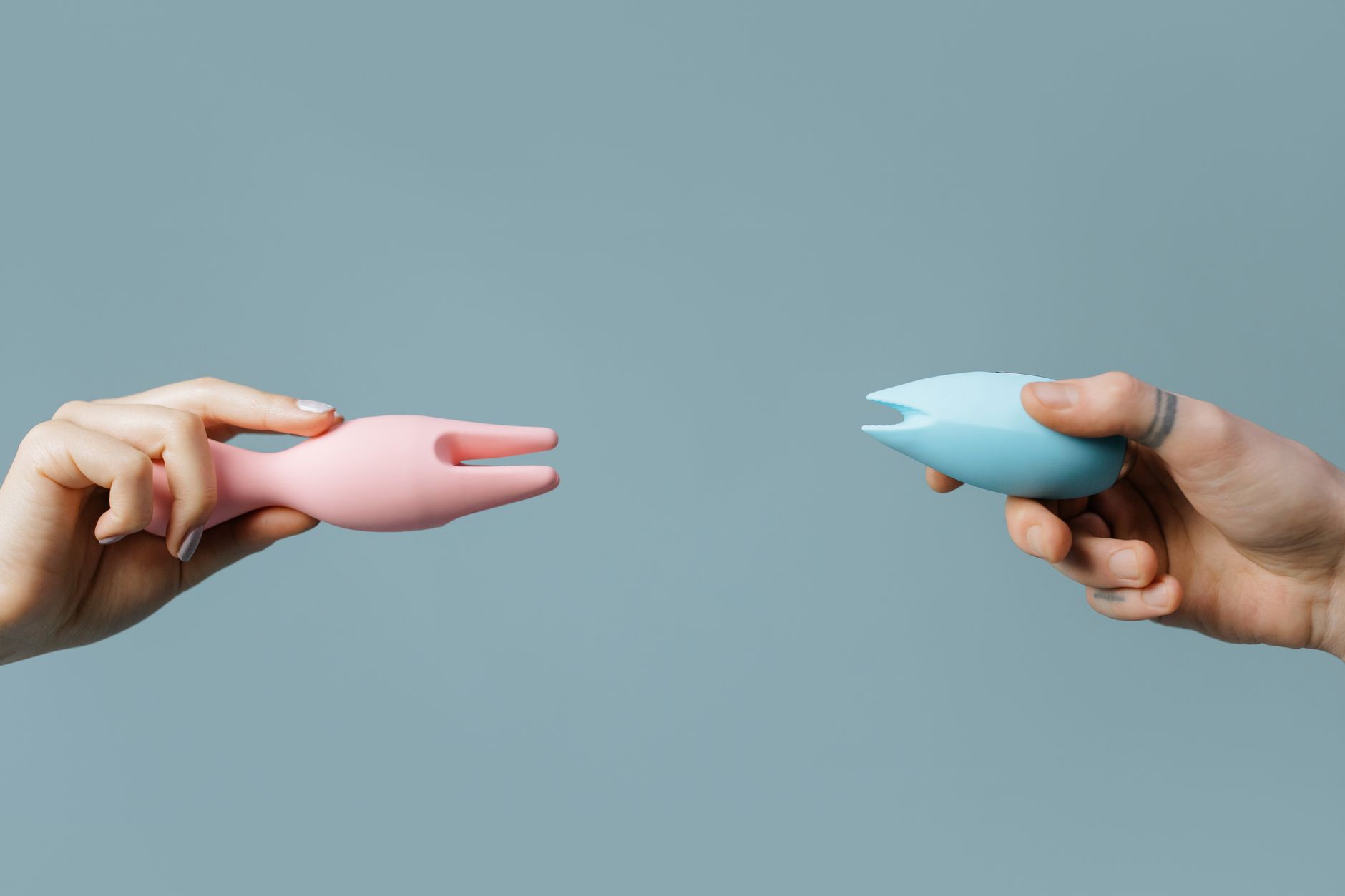
Photo by cottonbro studio on Pexels
The recovery timeline (what to expect)
Sensation doesn't snap back overnight, and that's actually helpful information. It means you're doing something right if you're not seeing instant results.
Week one is usually about novelty and surprise. You'll notice the lemon vibrator feels different. That's enough. Don't push for orgasm. Just explore how the sensation changes when you move the toy slightly, adjust the pressure, or change positions.
Weeks two through four, most people feel a genuine uptick. Sensation gets sharper. Things that felt completely numb start producing a tingle. This is when the temptation to crank up to higher intensities hits hard. Don't. Your nerves are still waking up. Intensity at this stage can reset the process.
Weeks five through eight, the real transformation happens. Your clitoris starts responding to patterns and subtle changes. Many people have their first real orgasm in this window after months or years without one.
After eight weeks, you've usually established a new baseline. Sensation is back. The work from here is maintenance and pleasure, not recovery.
That timeline isn't universal. Some people see changes in two weeks. Others take twelve. Stress, medication side effects, and hormonal timing all influence the pace. The point is: expect gradual, not instant.
How to actually use a lemon vibrator for numbness recovery
The mechanics matter more than you'd think. Here's the protocol I recommend.
Start with the lowest setting. On a lemon clitoral vibrator, pattern one is your friend. You want to feel the suction, not overpower your system. If pattern one feels like nothing, you're probably in protective numbness mode. Stay there anyway. Your nervous system will catch up.
Spend 15 to 25 minutes, not five. Numbness recovery isn't a sprint to orgasm. It's about exposure. Set aside real time to just sit with the sensation. Let your brain get bored. That boredom is when the real rewiring happens.
Move it slightly. Don't use hard pressure. Gently position the lemon vibrator on your clitoris, then slide it a millimeter or two in different directions. The movement helps wake up adjacent nerve endings that may also be partially asleep.
Track what wakes up. Pay attention to whether sensation feels stronger at different times of day, different points in your cycle, or after you've done something specific. If you notice a pattern, lean into it. Your body is telling you what conditions support recovery.
Incorporate when you're already aroused. Contrary to numbness recovery logic, waiting until you're already warmed up matters. Use the lemon vibrator after 10 to 15 minutes of other foreplay or self-touch. Your clitoris responds best when blood flow is already increased.
Common obstacles and how to move through them
You use it for two weeks and feel nothing. This is normal and it's scary. Your brain is waiting for permission to believe sensation can come back. Keep going. I promise the system is working even if you don't feel it.
You finally feel something, then it vanishes the next day. Your nervous system is rebuilding pathways. Progress isn't linear. Some days are clear signals. Some days are static. This is fine.
You recover sensation but orgasms still feel distant or weak. This often means you've rebuilt sensation but your pelvic floor is still braced. Consider that you may need to work on pelvic floor tension separately to unlock full response. A lemon vibrator is powerful, but it's one tool.
You're on medication and nothing's changing. Talk to your prescriber about timing. Some medications create numbness that's not reversible with a toy, it's manageable by adjusting dose or timing. That's not a failure of the tool. It's information you need from a healthcare provider.
Why a lemon clitoral vibrator beats other recovery strategies
You might have tried wand vibrators. They work for many things, but for numb tissue they're often too intense. You end up chasing sensation with more power, which deepens the desensitization cycle. A suction vibrator breaks that loop.
You might have tried manual touch. That works too, and I recommend combining it with the lemon vibrator. But alone, manual touch doesn't provide the sustained, consistent sensation that retrains nerve response. Your hand gets tired. The sensation becomes inconsistent. A vibrator provides the steady signal your nervous system needs to rebuild.
You might have read that you just need to "relax and let it happen." Relaxation helps, but sensation recovery isn't purely psychological. It's neurological. The tool does real work. The toy isn't optional when you're rebuilding from numbness.
A lemon vibrator is specifically designed for clitoral sensation. The suction mechanism targets the exact nerve pathways that respond best to sustained, gentle pressure. That's not marketing. That's anatomy.
When to bring in additional support
If sensation has been absent for over a year and you're seeing no change after eight weeks with a lemon vibrator, something else is probably happening. That might be untreated trauma, ongoing severe stress, or a medication effect that needs adjustment. None of those are fixed by a toy. They need professional support.
If numbness appeared suddenly alongside other symptoms like pain, numbness in other areas, or loss of bladder control, see a doctor. That's not desensitization from vibrator use. That's a signal your body is sending about something that needs medical attention.
If you're in a relationship and you're rebuilding sensation privately, consider whether you want to tell your partner. Some people do. Some don't. But if you're avoiding sex entirely because you're waiting for sensation to return, that silence often creates its own distance. The right conversation can actually speed up recovery by removing the shame.
The bigger picture: what numbness teaches you
Clitoral numbness is frustrating. It's also informative. It tells you something has been off. Maybe you've been pushing too hard. Maybe your body's been stressed. Maybe you've been ignoring what would actually feel good in favor of what's fast.
Recovery isn't just about getting sensation back. It's about learning to listen to your body's signals before they get this loud. That's the real gift of the process.
A lemon vibrator makes that possible. Not because it's magic. Because it respects how your nervous system actually works.
People also ask
How long does it take to recover clitoral sensation after using intense vibrators?
Recovery typically takes 4 to 12 weeks with consistent use of lower-intensity tools like a suction vibrator. The timeline depends on how long the numbness has been present, your overall stress level, hormonal status, and medications. Some people notice shifts within two weeks. Others take three months. The key is consistency and patience, not intensity. Jumping back to high-power vibration restarts the cycle.
Can I use a lemon vibrator every day during numbness recovery?
Yes, daily use is fine, but keep it to one session per day, 15 to 25 minutes at the lowest settings. Overuse doesn't accelerate recovery. Your nervous system needs time between sessions to consolidate the new sensation pathways. More does not equal better. One deliberate session per day beats three rushed ones.
Will my clitoris ever feel the same as it did before numbness?
Most often, yes. Some people report that sensation comes back even stronger because they've learned to pay attention to subtler signals. Others say it's slightly different, but equally pleasurable. The variation is normal. What matters is that sensation returns and orgasms are possible again. Perfect replication of how things were isn't usually the outcome, and that's okay.
Should I avoid all other vibrators while recovering clitoral sensation?
Not necessarily, but be very selective. Wand vibrators and bullet vibrators usually aren't helpful during recovery because they default to high intensity. Internal vibrators are fine if they feel good to you. The main thing to avoid is anything that requires maximum power to feel anything at all. That's your sign it's perpetuating numbness, not healing it.
Does medication numbness respond to lemon vibrators the same way as overuse numbness?
Usually yes, but there's a ceiling. If the numbness is caused by medication, a suction vibrator can restore some sensation and help you feel pleasure again. But you may not get back to 100 percent of your pre-medication baseline. The good news: most people find that a lemon vibrator works well enough that they can have satisfying orgasms again, even if sensation is slightly muted compared to before.
What if a lemon vibrator doesn't help after two months?
Then you probably need a different intervention. That might be a conversation with your prescriber if you're on medication. It might be trauma-informed therapy if numbness is connected to past experience. It might be addressing untreated pelvic floor dysfunction. A vibrator is a powerful tool for desensitization, but it's not a cure-all. If it's not working after eight consistent weeks, seek additional support.
Recovery is possible
Clitoral numbness feels like a permanent dead zone. It's not. Your nervous system has an extraordinary capacity to rebuild. A lemon vibrator gives it the right signal to do that work. Stay patient, stay consistent, and keep your expectations reasonable. You're not trying to feel like you did at twenty. You're trying to feel present in your body right now. That's enough. That's everything.
Ready to start the process? Learn more about finding your intensity level to set yourself up for success. Or if you're dealing with numbness plus pain, check out how pelvic floor tension complicates recovery.
Questions about your specific situation? Reach out. We're here to help you rebuild pleasure, not rush it.